

Does digital auscultation really improve results?
Digital auscultation best practices help clinicians capture clearer, more consistent heart and lung sounds by combining proper technique with a high tech stethoscope. When sound is amplified, filtered, and recorded correctly, subtle murmurs and respiratory changes are easier to hear, review, and share—especially in noisy clinical settings.
Digital Auscultation Best Practices for Clear Results
⏱ 6 min read
Digital auscultation best practices can transform how clinicians hear, interpret, and trust clinical sounds in busy settings. By pairing a high tech stethoscope with a digitizing stethoscope workflow, subtle murmurs and lung changes become clearer and more consistent. Thoughtful digital stethoscope design reduces noise, supports better positioning, and speeds learning curves, while ongoing stethoscope innovation brings recording, sharing, and analysis into everyday care. What small technique shift could unlock clearer results on your very next exam?
Which listening setup helps you hear subtle changes faster? Read on for practical steps you can apply immediately.
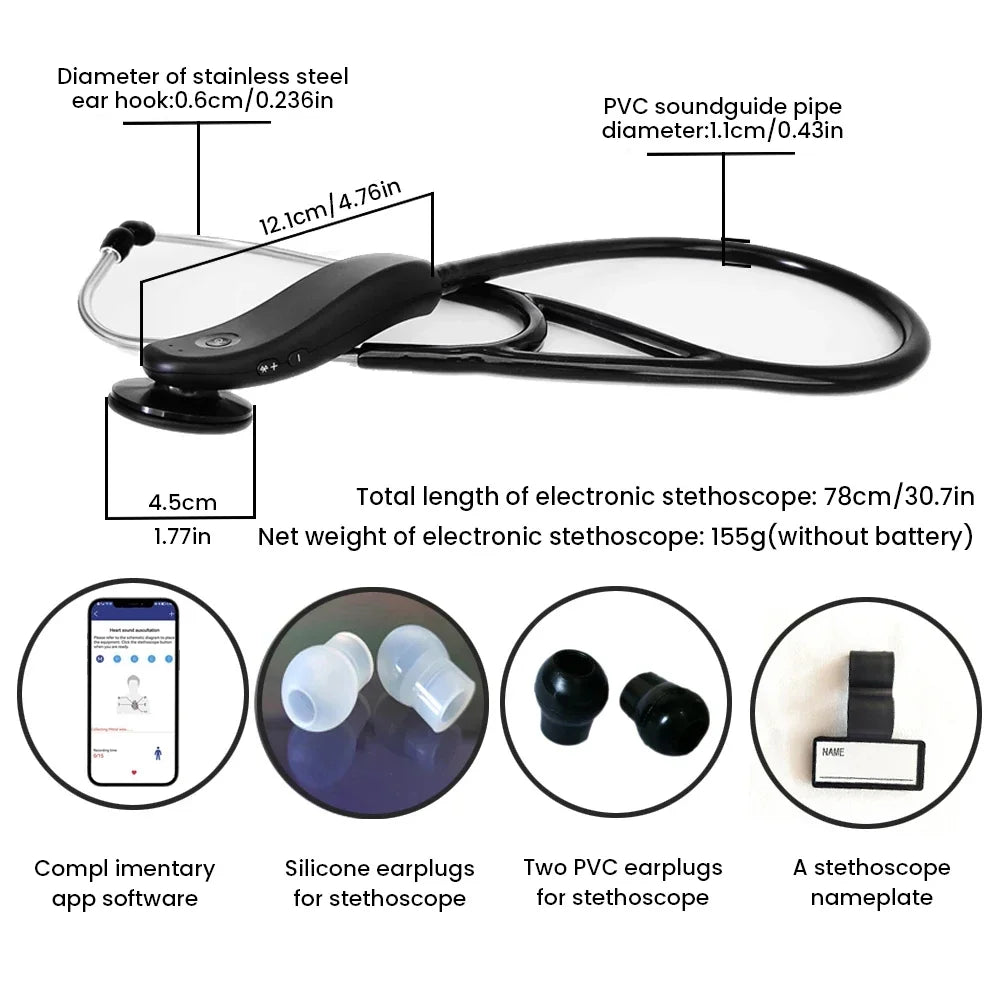
Digital auscultation best practices with a high tech stethoscope — 💡 See it in action
Why Digital Auscultation Matters Today
Modern care environments are louder and more demanding than ever. From busy wards to family-centered clinics, background noise and time pressure can make traditional listening difficult. Digital tools help clinicians focus on what matters most: accurate, repeatable sounds that support confident decisions.
- Amplifies low-volume cardiac and respiratory sounds
- Reduces ambient noise through filtering
- Allows replay for confirmation and learning
- Supports sharing with colleagues when needed
For clinicians caring for parents and children alike, this clarity can make examinations feel calmer, faster, and more reassuring.
What are digital auscultation best practices?
Digital auscultation best practices focus on consistent setup, proper positioning, and smart use of device features. By preparing the environment, fitting the earpieces correctly, and selecting the right listening modes, clinicians can reliably capture clear heart and lung sounds across patients and settings.
- Check battery and connectivity before exams
- Select heart or lung mode intentionally
- Ensure proper skin contact and seal
- Minimize movement during listening
These small habits reduce variability and help every exam feel predictable and dependable.
Positioning Techniques That Make Sounds Stand Out
Even the most advanced digital stethoscope design depends on correct placement. Consistent positioning helps isolate specific sound frequencies and prevents missed findings.
- Heart: Follow standard auscultation points, pausing between positions
- Lungs: Compare left and right sides systematically
- Pediatrics: Warm the diaphragm to reduce movement
- Adults: Ask for brief breath holds when appropriate
Using a digitizing stethoscope allows you to replay uncertain sounds and confirm what you heard without repeating the exam.
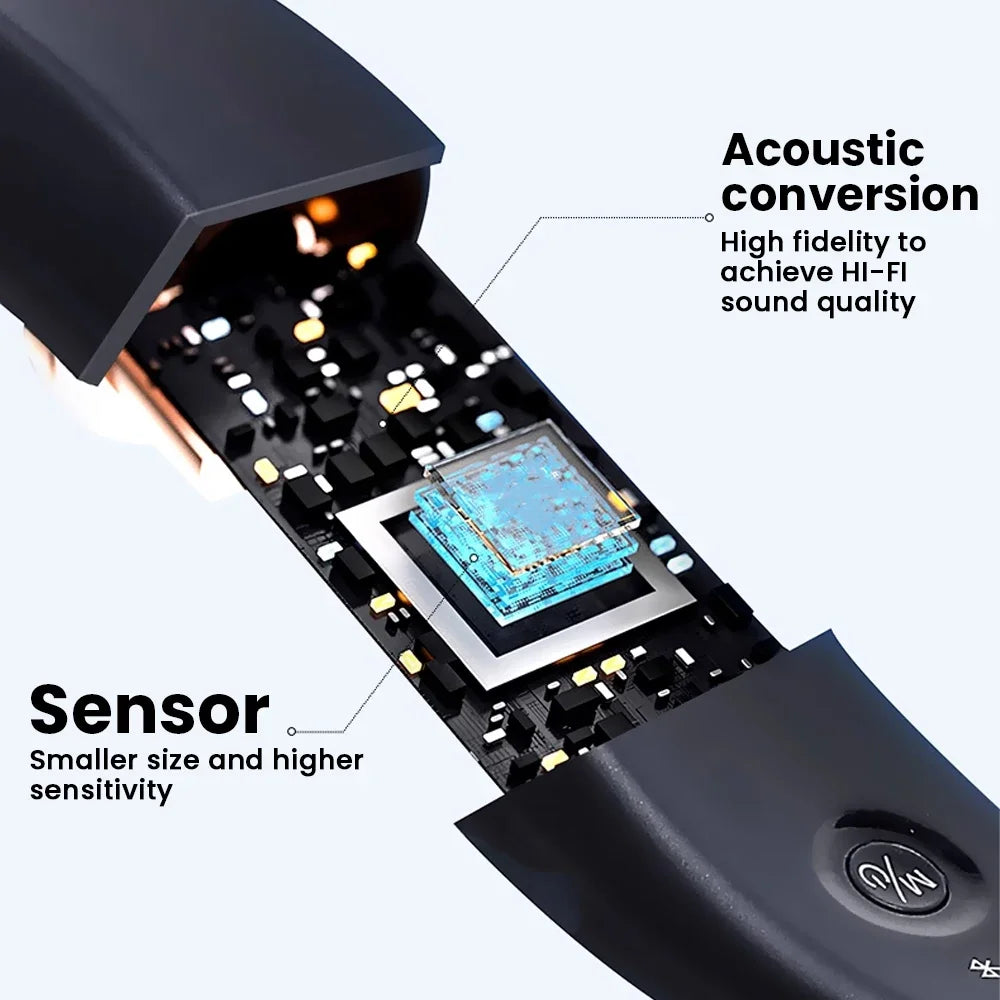
Stethoscope innovation supporting clearer positioning — 💡 See it in action
Workflow Tips That Reduce Noise and Distraction
Clear results depend on more than the device itself. Simple workflow adjustments can dramatically improve sound quality.
- Close doors or curtains when possible
- Silence nearby equipment temporarily
- Stabilize tubing and device against movement
- Use over-ear headphones if supported
Clinicians working with families often appreciate how these steps shorten exam time and reduce repeat listening.
Explore devices designed for calm, clear monitoring in Monitoring Devices to support smoother daily routines.
Using Recordings to Build Skill and Confidence
One of the biggest advantages of a high tech stethoscope is the ability to record and review sounds. This supports learning and collaboration without adding stress to the patient.
- Review subtle findings after the visit
- Track changes over time
- Share clips securely for second opinions
- Teach students with real examples
Many clinicians report feeling more confident when they can revisit what they heard instead of relying on memory alone.
👉 Learn step-by-step how smarter tools support everyday care by exploring solutions in Health & Safety.
Common Mistakes That Muffle Digital Sound
Even with advanced stethoscope innovation, a few habits can reduce clarity.
| Issue | Fix |
|---|---|
| Loose diaphragm contact | Apply gentle, steady pressure |
| Incorrect mode selection | Switch between heart and lung filters |
| Low battery | Charge regularly |
| Excess movement | Pause and stabilize before listening |
Choosing a Device That Fits Real Clinical Life
The right digital stethoscope design should feel intuitive, comfortable, and reliable. Look for features that support your daily workflow rather than complicate it.
- Clear amplification with minimal adjustment
- Comfortable earpieces for longer sessions
- Easy recording and playback
- Durable build for frequent use
Clinicians supporting parents and children often appreciate tools that reduce exam stress and increase trust.
👉 Discover thoughtful wellness tools that complement clinical care in Beauty & Wellness.
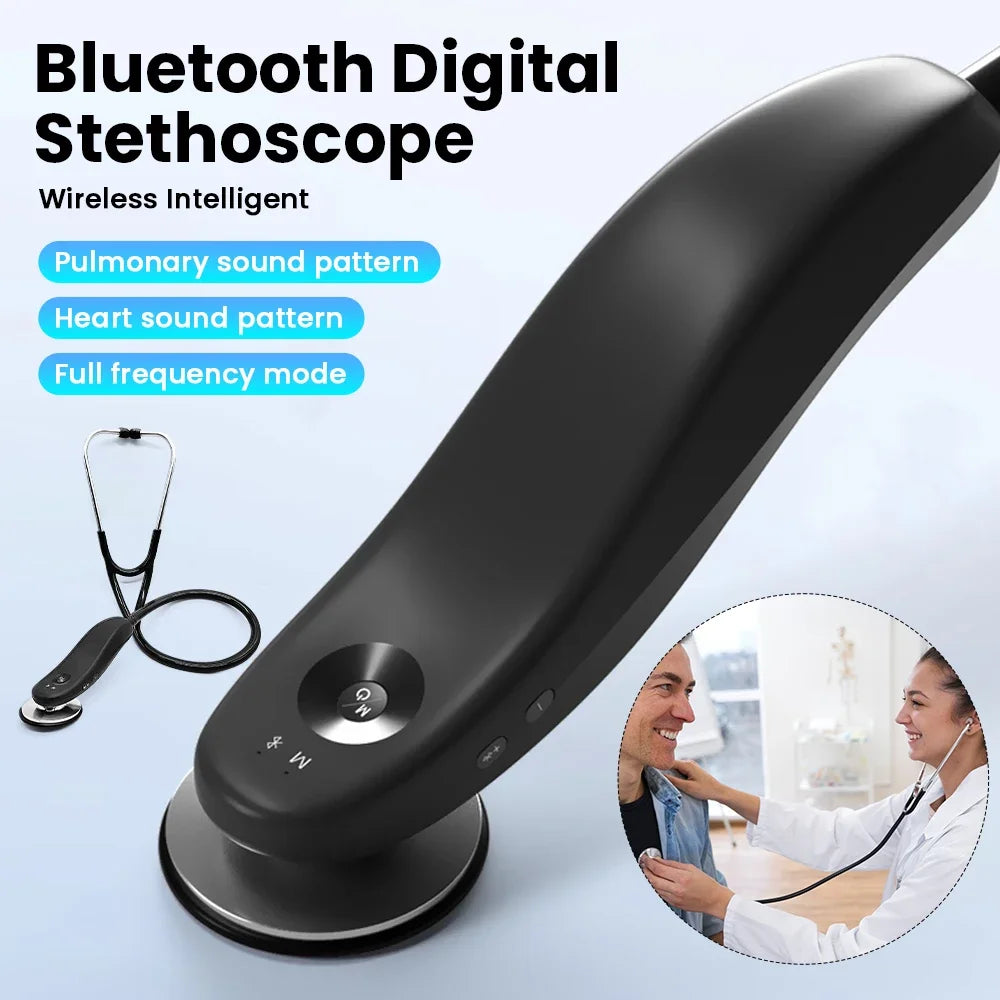
Digitizing stethoscope workflows for confident exams — 💡 See it in action
Ready to experience clearer sound? Learn more about a connected option designed for modern care: Electronic Stethoscope with Bluetooth.
Quick Questions Clinicians Ask
Can digital auscultation replace traditional listening?
Digital tools enhance, rather than replace, clinical skills. They support clearer sound capture and review while still relying on proper technique and clinical judgment.
Is digital auscultation helpful for pediatrics?
Yes. Amplification and recording can reduce exam time and help capture subtle sounds, which is especially useful when children move or become anxious.
How long does it take to adjust?
Most clinicians adapt within a few sessions. Following digital auscultation best practices helps shorten the learning curve and build confidence quickly.
👉 Take the next step toward clearer listening and explore how connected tools can support your daily exams.
Pillar Article: Not Found
Other Related Articles:
- Difficulty Hearing Heart Murmurs? Step-by-Step Guide
- Cardiac Auscultation Sound Amplification: How to Use It
- How to Improve Auscultation Clarity in Noisy Settings
- Electronic Stethoscope Noise Reduction: Top Models Compared
Explore More:





