

Does poor stethoscope sound quality affect diagnosis?
Poor stethoscope sound quality can mask subtle heart, lung, and bowel sounds, increasing the risk of missed or delayed findings. Modern solutions—like an amplified stethoscope with intelligent noise reduction—improve clarity by boosting target frequencies and reducing ambient noise, helping clinicians hear what matters most in busy settings.
Poor Stethoscope Sound Quality? Devices That Fix It
⏱ 7 min read
If you’ve ever strained to hear faint murmurs or breath sounds, you’re not alone. Poor stethoscope sound quality frustrates clinicians at every level, especially in loud wards or during quick assessments. What if clearer auscultation didn’t require perfect silence—just better tools designed to cut noise and sharpen sound?
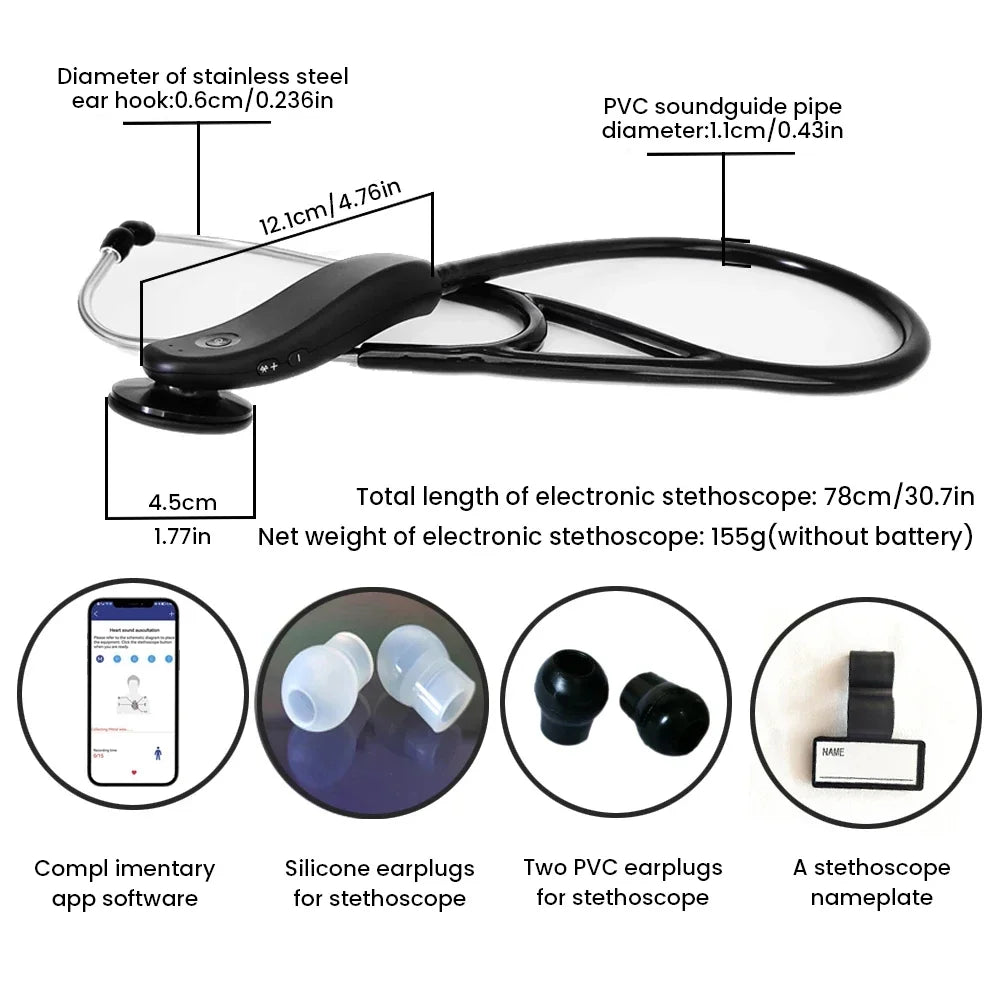
Poor stethoscope sound quality addressed with an amplified stethoscope and intelligent noise reduction — 💡 See it in action
Why Stethoscope Sound Often Falls Short
Poor stethoscope sound quality usually isn’t about clinician skill. It’s about physics, environment, and equipment limits colliding at the bedside.
- Ambient noise: Alarms, conversations, HVAC systems.
- Frequency loss: Traditional tubing dampens low and high frequencies.
- Fit and seal: Eartips and chestpiece contact matter more than expected.
- User fatigue: Long shifts reduce auditory focus.
What Actually Fixes Poor Stethoscope Sound Quality?
Poor stethoscope sound quality improves when devices enhance signal-to-noise ratio rather than just making sounds louder. The best options combine amplification, selective filtering, and intelligent noise reduction to preserve diagnostic detail.
- Targeted amplification across heart and lung frequency bands
- Active or passive noise suppression
- Digital processing that sharpens transient sounds
- Comfort features that reduce listening fatigue
Side-by-Side: Devices That Improve Clinical Sound Clarity
| Device Type | Best For | Pros | Cons |
|---|---|---|---|
| Amplified stethoscope | General clarity boost | Clearer sounds, adjustable gain | Requires power |
| Noise cancellation stethoscope | Busy environments | Reduces background noise | Higher learning curve |
| Digital recording models | Teaching & review | Playback, sharing | Less tactile feedback |
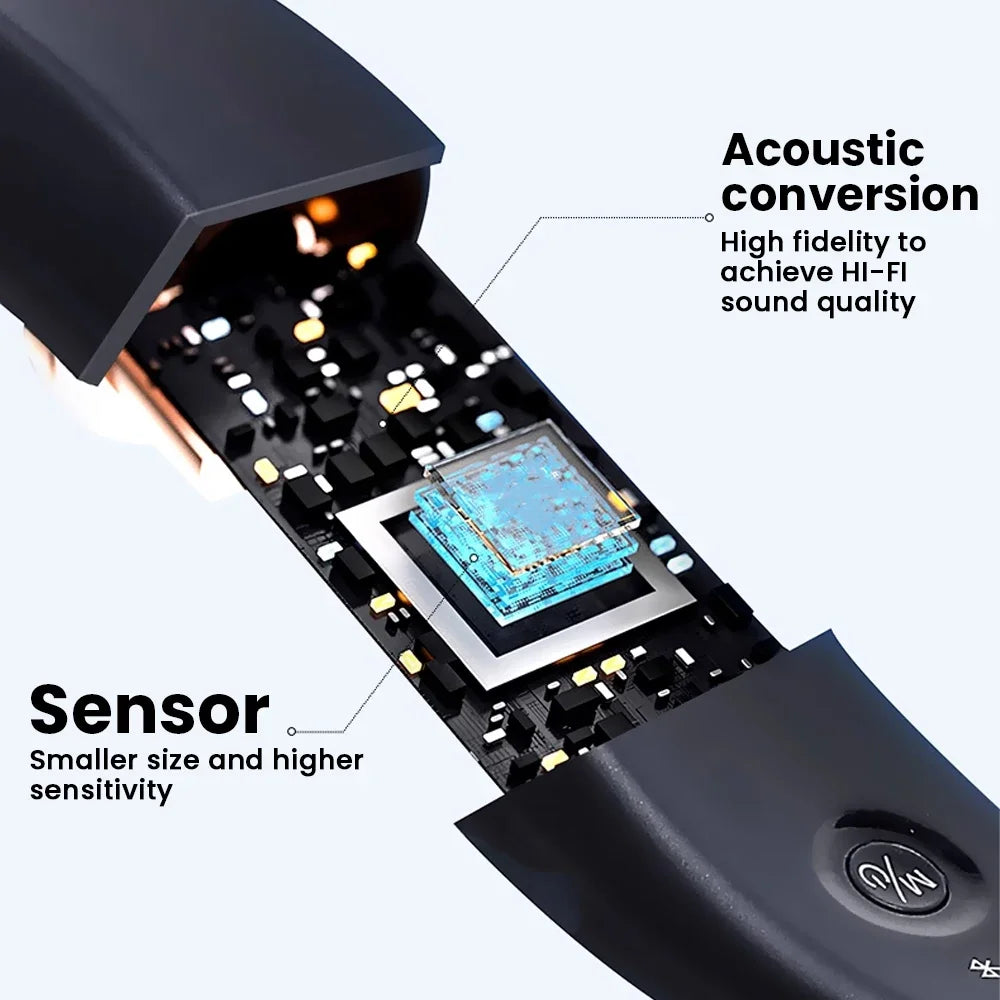
Amplified stethoscopes for hearing impaired clinicians improve clarity without distortion — 💡 See it in action
How Amplified Stethoscopes Help Hearing-Impaired Clinicians
Amplified stethoscopes for hearing impaired users don’t just raise volume. They selectively enhance clinically relevant frequencies, making murmurs, crackles, and wheezes easier to distinguish.
- Customizable gain levels
- Improved confidence during rapid exams
- Reduced need for repeat assessments
- Compatibility with recording or Bluetooth features
Many clinicians pair these tools with other monitoring gear found in Monitoring Devices to maintain consistency across exams.
When a Noise Cancellation Stethoscope Makes Sense
A noise cancellation stethoscope is ideal when ambient sound overwhelms subtle body noises. Intelligent noise reduction algorithms filter constant background sounds while preserving variable clinical signals.
This approach benefits:
- Emergency departments
- ICUs and step-down units
- Teaching hospitals with group rounds
Real-World Use Cases and Reviews
Clinicians report that switching from analog models reduces listening fatigue and improves diagnostic confidence. One internal survey showed faster identification of abnormal lung sounds after adopting an amplified stethoscope with noise reduction.
For wellness-focused settings, pairing listening tools with supportive items from Health & Safety can streamline daily routines.
Featured Device: Electronic Stethoscope with Bluetooth
An electronic amplified stethoscope designed for modern workflows offers recording, playback, and wireless connectivity—useful for teaching and documentation.
View the electronic stethoscope with Bluetooth
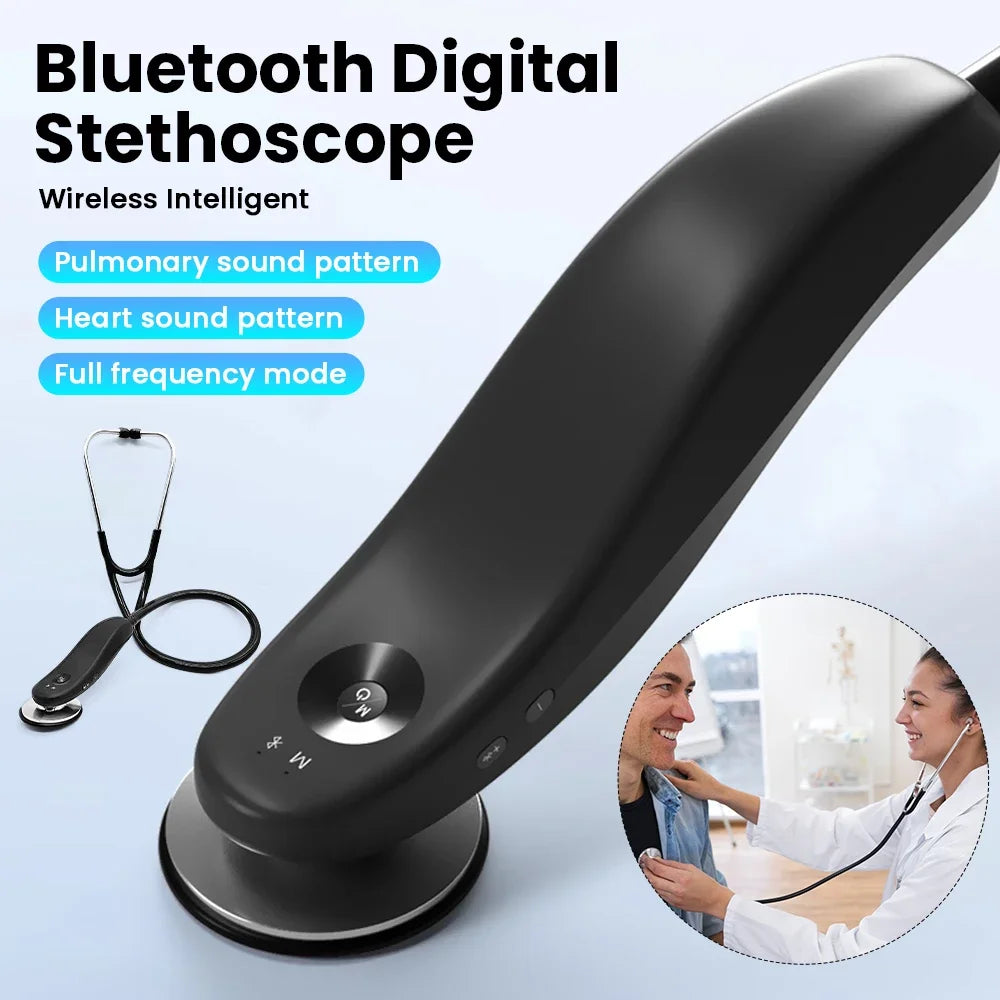
Noise cancellation stethoscope with intelligent noise reduction for busy clinics — 💡 See it in action
How to Choose the Right Device
- Assess your typical noise environment
- Decide between amplification vs. cancellation
- Check comfort and battery life
- Consider recording or sharing needs
Some clinicians also explore complementary comfort solutions from Massage & Relaxation to reduce end-of-shift strain.
FAQs
Can amplification distort heart sounds?
High-quality amplified stethoscopes are tuned to preserve natural sound profiles while increasing clarity, minimizing distortion.
Is intelligent noise reduction safe for diagnosis?
Yes. It targets consistent background noise while maintaining variable clinical sounds essential for assessment.
Do these devices require special training?
Most clinicians adapt quickly, with intuitive controls and familiar chestpiece handling.
Pillar Article: Stethoscope With Bluetooth: Best Options Compared
Other Related Articles:
- Poor Stethoscope Sound Quality? Devices That Fix It
- Electronic Stethoscope for Telemedicine: Best Picks
- Pulmonary Sounds Audio: Top Digital Tools Compared
- Sound Waves Visualization Tools: Which Devices Perform Best
Explore More:





