

Why is there difficulty hearing heart murmurs?
Difficulty hearing heart murmurs often happens because murmurs can be very soft, masked by background noise, body habitus, or suboptimal listening technique. Improving positioning, understanding faint heart sounds meaning, and using amplification tools can help clinicians detect subtle cardiac changes more accurately.
Difficulty Hearing Heart Murmurs? Step-by-Step Guide
⏱ 7 min read
Difficulty hearing heart murmurs can be frustrating, especially when subtle clues matter most. This practical guide breaks down faint heart sounds meaning, explains why heart sounds faint in real exams, and simplifies heart sound recorder interpretation without clinical jargon. You’ll also see each heart waveform explained step by step, revealing what your ears may be missing and how simple adjustments can improve confidence and accuracy.
Have you ever finished an exam wondering if you truly heard everything you needed to? Many clinicians, trainees, and caregivers share this same concern. Small listening challenges can create big uncertainty—but the good news is that they are often fixable.
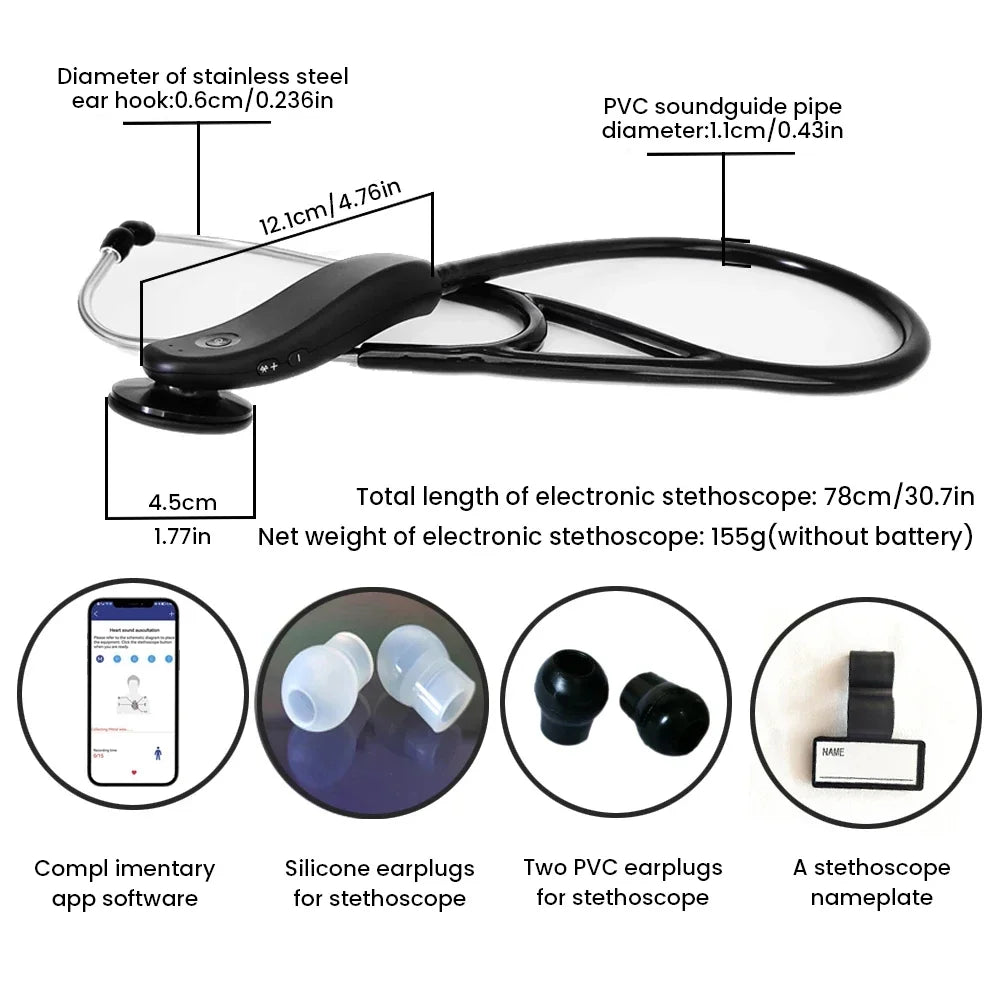
Difficulty hearing heart murmurs and faint heart sounds meaning made clearer 💡 See it in action
Why Heart Murmurs Are Hard to Hear in Real Life
Difficulty hearing heart murmurs rarely comes down to hearing ability alone. Real-world environments add layers of complexity that textbooks don’t prepare you for.
- Ambient noise from monitors, movement, or conversation
- Patient factors like chest wall thickness or rapid breathing
- Subtle murmurs that blend into normal heart sounds
- Limited time leading to rushed exams
These factors often explain why heart sounds faint even when pathology exists. Recognizing these challenges is the first step toward improvement.
What Does It Mean When Heart Sounds Are Faint?
Faint heart sounds meaning can vary, and not all soft sounds are abnormal. Understanding context is key.
Faint sounds may result from:
- Low cardiac output
- Fluid or air between the heart and chest wall
- Early-stage valve changes
- Suboptimal stethoscope placement
Instead of assuming the worst, pair what you hear with positioning, timing, and waveform patterns to build a clearer picture.
Step-by-Step: How to Hear Heart Murmurs More Clearly
Difficulty hearing heart murmurs improves dramatically when listening becomes systematic rather than rushed.
- Position the patient correctly: Left lateral decubitus and upright positions highlight different murmurs.
- Control the environment: Reduce noise and ask for brief breath holds if appropriate.
- Focus on timing: Identify systole vs diastole before judging intensity.
- Listen in zones: Aortic, pulmonic, tricuspid, and mitral areas each tell a story.
- Repeat and compare: Subtle changes become clearer with repetition.
Which listening position do you tend to skip most often? That may be where hidden clues live.

Heart sounds faint? Practical listening adjustments 💡 See it in action
Heart Waveform Explained Without the Confusion
Heart waveform explained visually can unlock patterns your ears miss. Waveforms translate sound into shape, making timing and intensity easier to compare.
When reviewing a waveform, focus on:
- Peaks that align with systole
- Noise versus consistent patterns
- Changes between beats
- Correlation with pulse timing
Seeing the waveform reinforces what faint heart sounds meaning might be when they’re hard to interpret by ear alone.
Heart Sound Recorder Interpretation Made Practical
Heart sound recorder interpretation works best when paired with intentional listening habits.
Use recordings to:
- Replay subtle murmurs without pressure
- Compare normal versus abnormal patterns
- Track changes over time
- Build confidence through repetition
Many clinicians find that pairing digital listening tools with hands-on exams accelerates learning and reduces doubt.
For families focused on safety and monitoring at home, tools found in Monitoring Devices and Health & Safety collections often support peace of mind across different care needs.
Common Mistakes That Make Murmurs Harder to Hear
Even experienced listeners fall into habits that increase difficulty hearing heart murmurs.
- Listening only in one position
- Focusing on volume instead of timing
- Rushing without a full cycle
- Ignoring patient breathing patterns
Correcting just one of these habits can noticeably improve accuracy.
Building Long-Term Confidence in Cardiac Listening
Confidence grows through structured repetition and feedback. Recording, reviewing, and comparing sounds builds pattern recognition over time.
Many professionals describe a turning point when they stop asking “Did I hear it?” and start asking “What does this pattern tell me?”
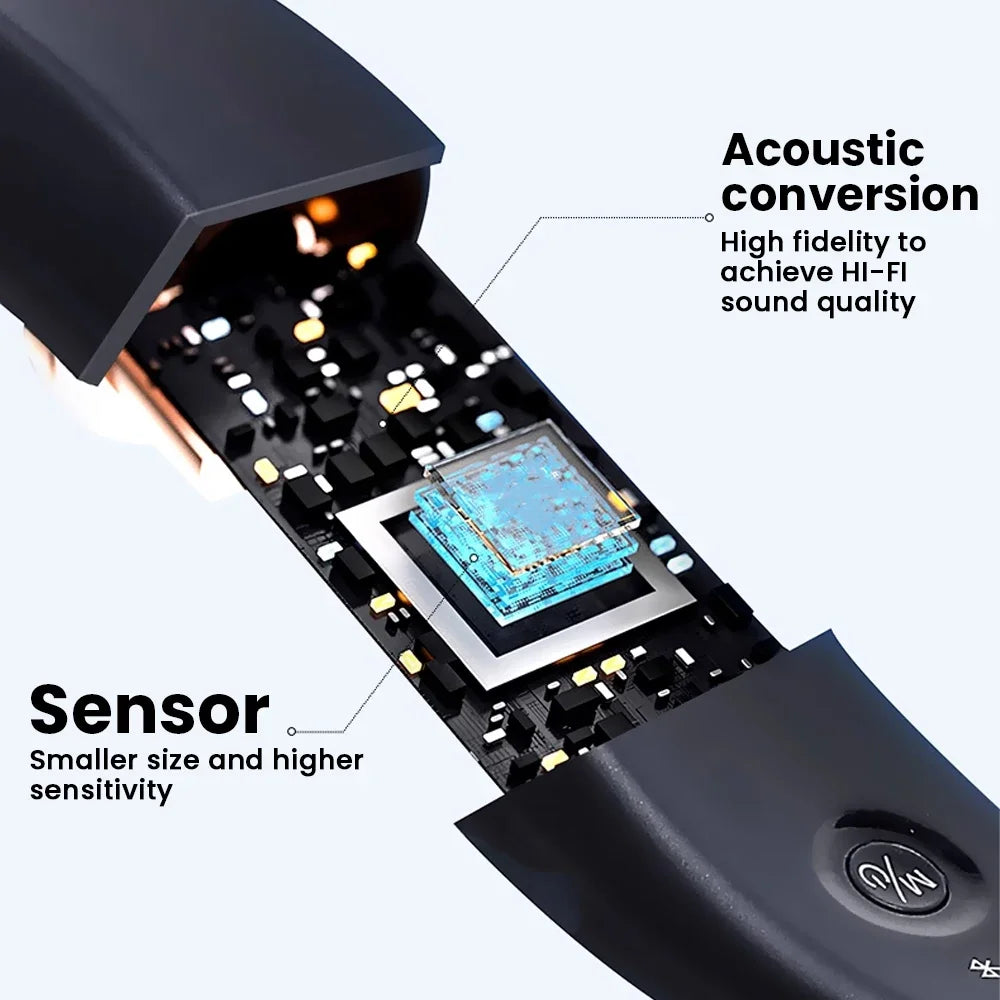
From difficulty hearing heart murmurs to confident interpretation 💡 See it in action
Quick FAQ
Is difficulty hearing heart murmurs common?
Yes. Even trained clinicians experience difficulty hearing heart murmurs, especially early in training or in noisy, time-limited environments.
Do faint heart sounds always mean disease?
No. Faint heart sounds meaning depends on context, positioning, and patient factors. Soft sounds can be completely normal.
How can waveform tools help?
Heart waveform explained visually helps identify timing and patterns, reinforcing what you hear and improving interpretation accuracy.
Pillar Article: Not Found
Other Related Articles:
- Cardiac Auscultation Sound Amplification: How to Use It
- Digital Auscultation Best Practices for Clear Results
- How to Improve Auscultation Clarity in Noisy Settings
- Electronic Stethoscope Noise Reduction: Top Models Compared
Explore More:





