

Does controlling indoor humidity with smart sensors really work?
Answer: Yes—knowing how to control the humidity helps protect baby sleep, reduce mold, and improve skin comfort. Smart humidity sensors give continuous, accurate readings and integrate with climate control systems so you can automate dehumidifiers, humidifiers, or HVAC settings for steady, healthy indoor humidity levels.
⏱ 8 min readHow to Control the Humidity: Which Smart Sensors Actually Work Best
Parents frequently worry about dry skin, stuffy rooms, or mold in the nursery. If indoor humidity too low or swings are waking your baby—or making your home feel uncomfortable—this guide helps you compare real-world options, choose the right humidity monitor, and set smart home temperature control system rules that actually deliver steady comfort.
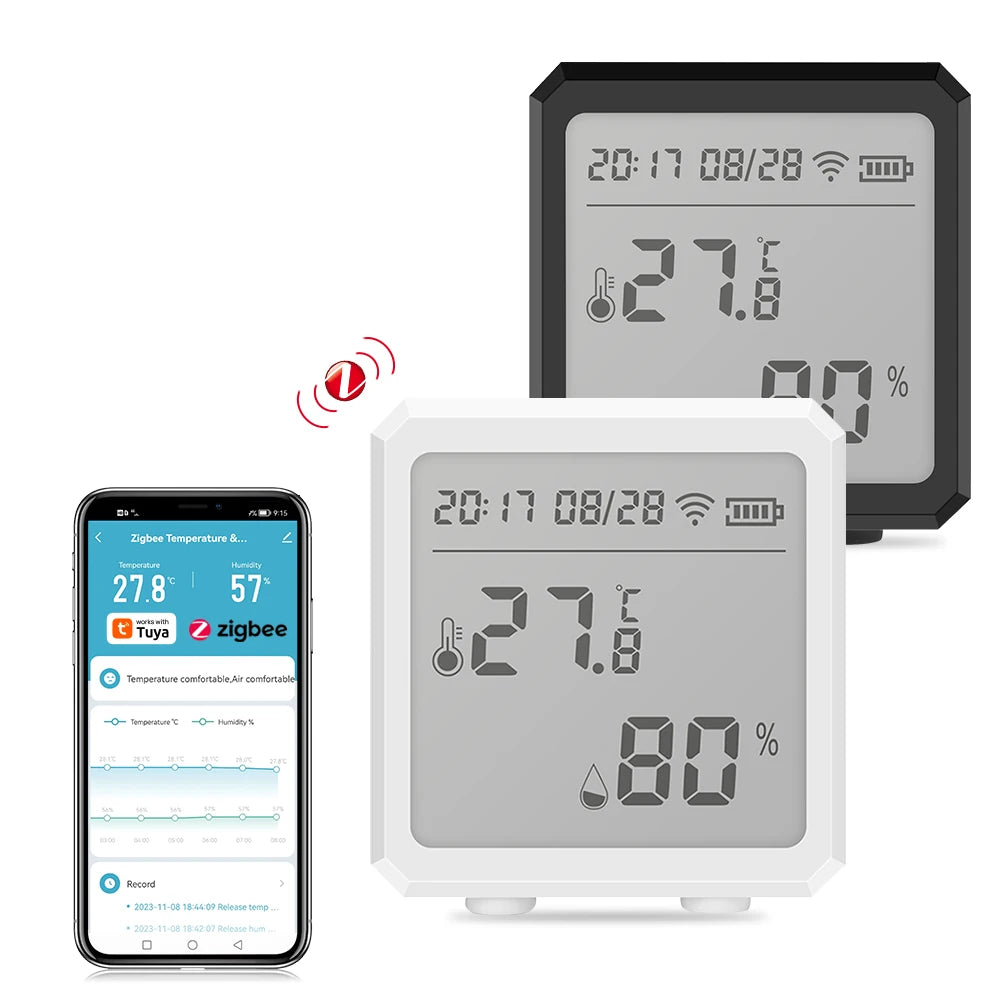
how to control the humidity + humidity sensor purpose — 💡 See it in action
(A short, curiosity-driven prompt to keep exploring parenting essentials.)
Why humidity matters for parents (and what “humidity too low in house” really means)
Humidity affects sleep, skin, respiratory comfort, and even wooden furniture. When indoor humidity is too low, nasal passages dry out, babies can wake more often, and static electricity spikes. When it’s too high, mold and dust mites thrive—bad news for allergy-prone families.
Common parenting pain points
- Baby wakes coughing or with a dry nose overnight.
- Condensation on windows and early mold stains in corners.
- Heaters running in winter leave rooms parched; AC can humidify unevenly in summer.
- Confusion about which device to buy—digital hygrometer vs. smart sensor vs. whole-home probe.
Which baby gear suits your newborn best? Read on!
Quick Steps: How to Detect Humidity and Fix It
Direct answer: To control the humidity, measure with a reliable sensor, set target ranges (35–50% recommended for most homes with infants), and automate a humidifier or dehumidifier tied to those readings. Use zoning in your smart home temperature control system to address problem rooms without overcorrecting the whole house.
- Place a trusted humidity sensor in the baby’s room and a second in a common area.
- Check baseline readings for a few days at morning, mid-day, and night.
- Set target bands (35–50%) and create device automations: humidify when below threshold; dehumidify when above.
- Adjust vents and use portable devices for small rooms rather than changing HVAC setpoints constantly.
Which sensor types work best (and why)
Not all sensors are created equal. Below are the types parents encounter and what to expect:
- Digital hygrometers (standalone): Cheap, easy, but may drift; good as a quick check.
- Zigbee/Z-Wave smart sensors: Reliable, battery-powered, integrate with smart home hubs; ideal for automations.
- Wi-Fi smart monitors: Provide cloud data and app dashboards but depend on stable Wi-Fi.
- HVAC-embedded probes: Best for whole-home control but costlier and require pro install.
Accuracy matters: what to look for
- Sensor accuracy ±2–3% RH is ideal for nursery use.
- Temperature compensation and fast response time help detect quick changes (bath time or a humidifier running).
- Battery life and connectivity (Zigbee or Wi-Fi) affect reliability—choose a sensor with proven uptime.
Side-by-side comparison: smart sensors at a glance
| Feature | Digital Hygrometer | Zigbee Smart Sensor | HVAC Probe |
|---|---|---|---|
| Accuracy | ±3–5% RH | ±2–3% RH | ±1–2% RH |
| Connectivity | Standalone | Hub (Zigbee) / local | Wired to system |
| Automation | Manual | Yes (automate humidifier/dehumidifier) | Yes (whole-home control) |
| Best for | Quick checks | Rooms & nursery | Whole-home comfort |
How to Use Smart Sensors with Your Climate Control
Pairing a sensor to a smart home temperature control system lets you automate actions: run a humidifier only when the nursery dips below 38% RH at night, or run a dehumidifier in the basement when humidity rises after a shower.
Easy automation examples
- Night comfort rule: If nursery humidity < 38% between 10pm–6am → humidifier ON until 42%.
- Window condensation limit: If window zone humidity > 55% → send alert + run dehumidifier for 30 minutes.
- Sleep mode: Combine sensor reading + motion sensor to only humidify when room is occupied for longer than 10 minutes.
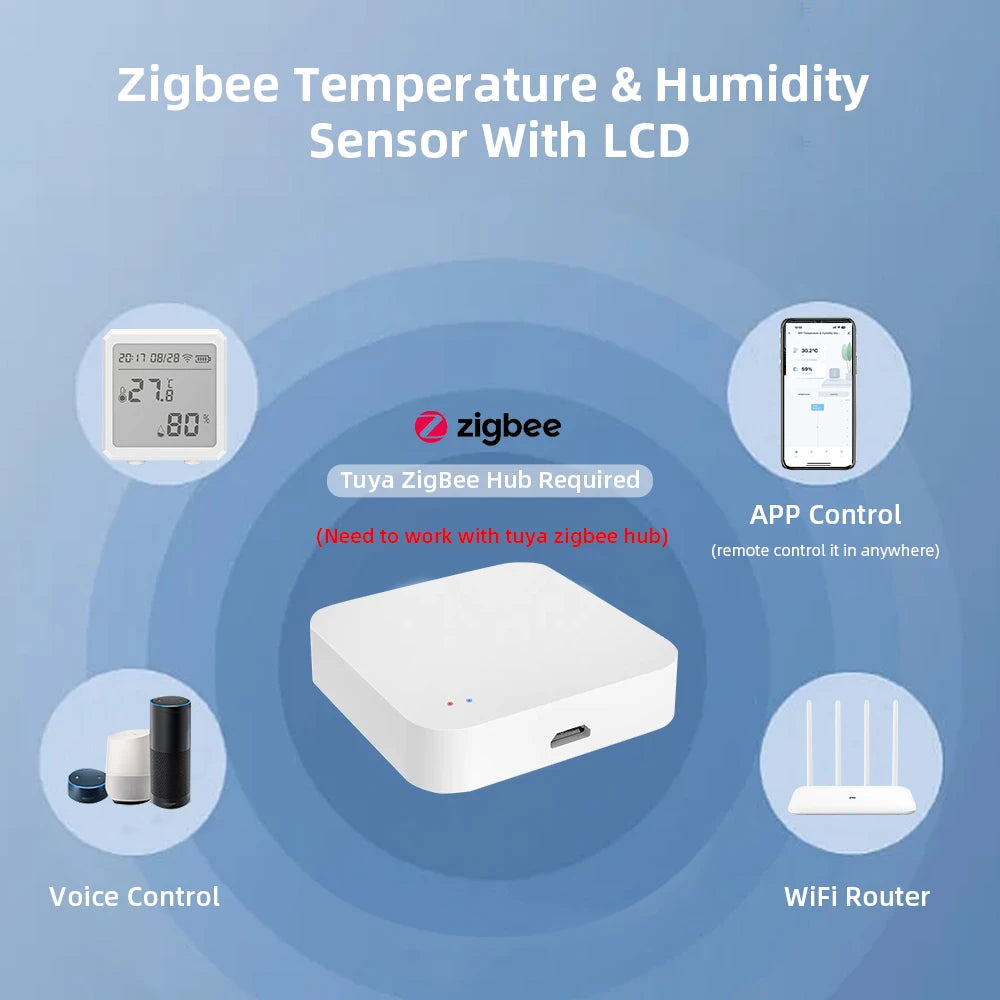
humidity too low in house — smart humidity sensor + setup tips — 💡 See it in action
(Practical guidance to move from confusion to confidence.)
Product roundup: where each sensor fits best
Below are common options parents choose and why. I highlight pros/cons so you can pick by use-case rather than hype.
A. Compact Zigbee Temperature & Humidity Sensor
- Why pick it: Small, battery-powered, reliable readings, integrates with popular hubs.
- Best for: Nursery, travel, second rooms.
- Pros: Low cost, automation-ready, good accuracy.
- Cons: Requires Zigbee hub; local range limits apply.
B. Standalone Digital Hygrometer
- Why pick it: Cheap and fast to check humidity while diagnosing a problem.
- Best for: Quick monitoring, basement checks.
- Pros: No hub, simple display.
- Cons: Manual; may drift over time.
C. Whole-home HVAC Probe
- Why pick it: Accurate, tied to HVAC for whole-house balancing.
- Best for: Homes with frequent humidity swings across zones or permanent mold risk.
- Pros: Professional control, long-term stability.
- Cons: Higher upfront cost and installation.
| Use-case | Recommended | Notes |
|---|---|---|
| Nursery monitoring | Zigbee Sensor | Automates humidifier at night; good accuracy. |
| Small apartment | Wi-Fi monitor | Cloud dashboards + remote alerts. |
| Whole-house stability | HVAC Probe | Integrates with HVAC for central control. |
Tip: If you’re considering a Zigbee Temperature & Humidity Sensor, check the local hub compatibility and placement—away from vents and windows gives more accurate “living zone” readings.
Setup & Calibration Tips that actually help
- Place sensors 3–5 feet above the floor, away from windows, doors, and direct airflow.
- Run sensors for 48–72 hours before trusting patterns—readings vary by hour.
- Cross-check a new sensor against a trusted digital hygrometer and calibrate if the manufacturer allows.
- Use sensor averages or multi-sensor rules to prevent rapid on/off cycling of humidifiers.
Avoid these common mistakes
- Don’t base decisions on a single reading—humidity fluctuates with activities like showering or cooking.
- Don’t over-humidify in winter; aim for a safe mid-range to reduce condensation on windows.
- Don’t put sensors near humidifier mist outlets—this will create misleading peaks.
Trust & social proof: real parent experiences
“We added a Zigbee sensor in our nursery and automated the humidifier at night—our baby slept longer and our skin lotion routine dropped from three times nightly to once.” — A. (verified parent)
Before/after checks commonly show nursery RH rising from 28% to a steady 40–44% after automation—enough to ease dry eyes and congestion without creating condensation.
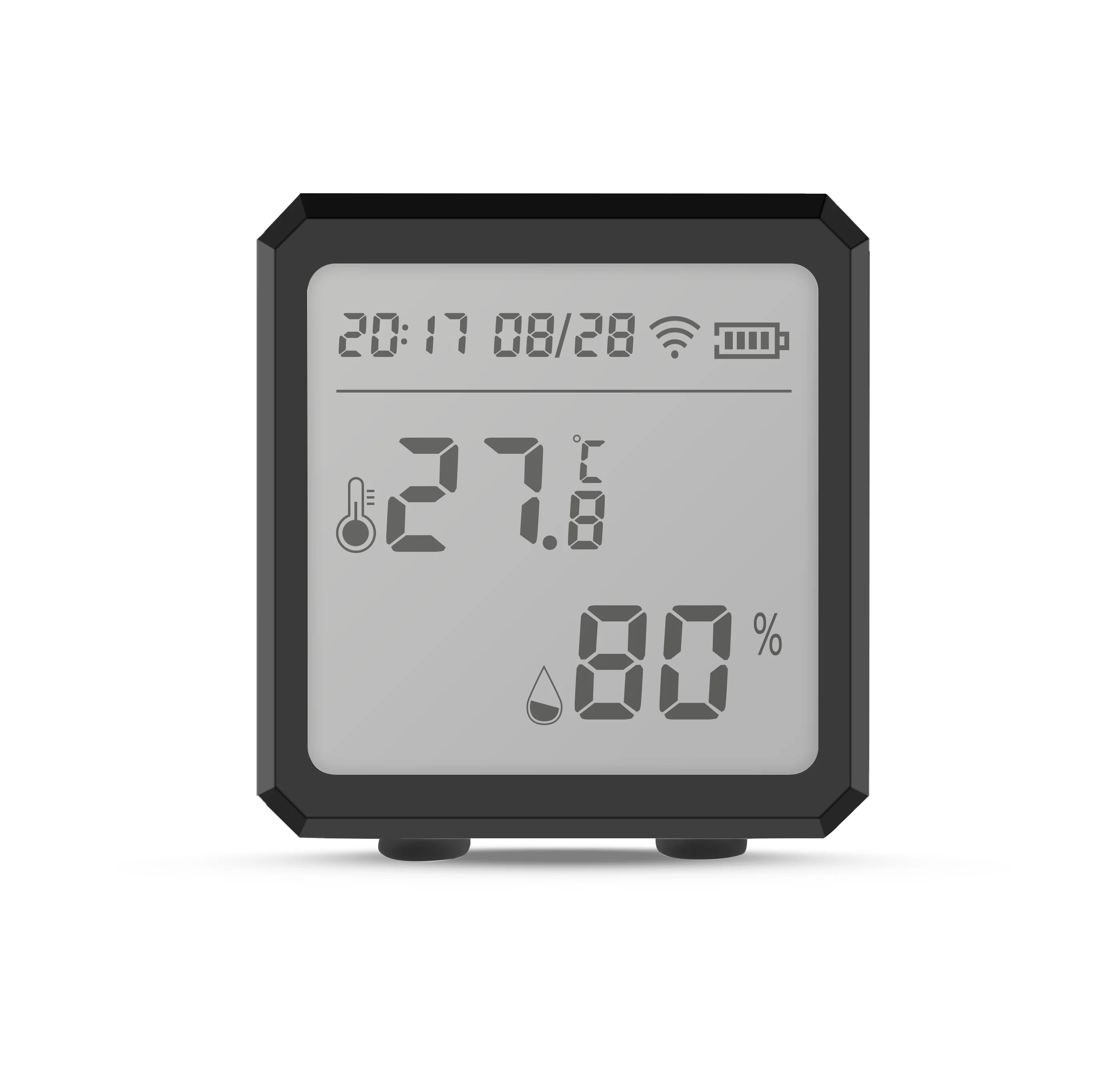
smart home temperature control system + humidity monitors for home — 💡 See it in action
(A final purchase-minded prompt to reassure and nudge parents who are ready to pick a model.)
Mini FAQ
-
What humidity level is best for babies?
Aim for 35–50% relative humidity. This reduces dry air symptoms without encouraging mold growth.
-
Do smart sensors need calibration?
Most out-of-box sensors are fine, but compare to a known good hygrometer for peace of mind. Some sensors allow software calibration.
-
Where should I place sensors?
Place them in the living zone—about chest height when seated—away from vents, windows, and humidifier outlets.
-
Can sensors control my HVAC directly?
Yes—HVAC-integrated probes or a hub linking sensors to the HVAC controller can create whole-home rules, but often a zoned approach with portable devices is simpler for nurseries.
Final thoughts: choose for the problem you have
How to control the humidity comes down to three questions: where is the problem (single room vs. whole home), how precise do you need the readings (baby nursery vs. basement), and how much automation do you want. A Zigbee Temperature & Humidity Sensor is a great middle ground for nursery-focused parents who want reliable readings and automation without a professional install.
Still unsure? Check related monitoring options in our Monitoring Devices collection and compact tools in Temperature Tools.
Frequently asked questions
How do I detect if humidity is too low in my house?
Use a reliable humidity monitor in the problem room and check readings across different times of day; if sustained readings are below 35%, consider a humidifier and automation to maintain a steady range.
Can smart humidity sensors help with baby sleep?
Yes—automating a humidifier to keep nursery RH between 38–44% can reduce dry nasal passages and improve sleep continuity for infants.
Which sensors are best for long-term tracking?
Zigbee/Z-Wave smart sensors and HVAC probes provide the most consistent long-term readings; choose sensors with ±2–3% accuracy for nursery monitoring.
Product reference (example): /products/zigbee-temperature-humidity-sensor-lcd-wireless — use as a model when comparing connectivity and hub requirements.
Pillar Article: Smart Sensors for Home: Honest Comparison of Top Climate Monitoring Picks
Other Related Articles:
- Humidity Too High in House? Best Smart Detectors to Fix It Fast
- Temperatur Sensor Google Home: Top Options That Sync Smoothly
- How to Improve Indoor Air Quality: Top Smart Monitors Compared
- How to Prevent Mold in Home: Best Sensors Reviewed for Early Detection
Explore More:





