

Does sound waves visualization really help with clearer analysis?
Sound waves visualization turns invisible audio signals into clear visual patterns, helping users quickly identify changes in rhythm, intensity, and frequency. By using sound waves visualization, clinicians and learners can spot subtle details in heart sound waveform data, improve accuracy when visualizing heart sounds, and reduce missed cues during assessments.
Sound Waves Visualization Tools: Which Devices Perform Best
⏱ 7 min read
Sound waves visualization is changing how audio and medical data are understood, turning invisible signals into clear, actionable insights. From visualizing heart sounds for faster pattern recognition to waveform audio visualization that reveals subtle changes, modern tools now pair heart sound waveform clarity with digitizing stethoscope precision. The result is smarter analysis, quicker decisions, and fewer missed details—but which devices truly deliver when accuracy matters most?
Ever wondered why two people hear the same sound differently? Visual patterns remove guesswork, helping parents, caregivers, and professionals see what their ears might miss.
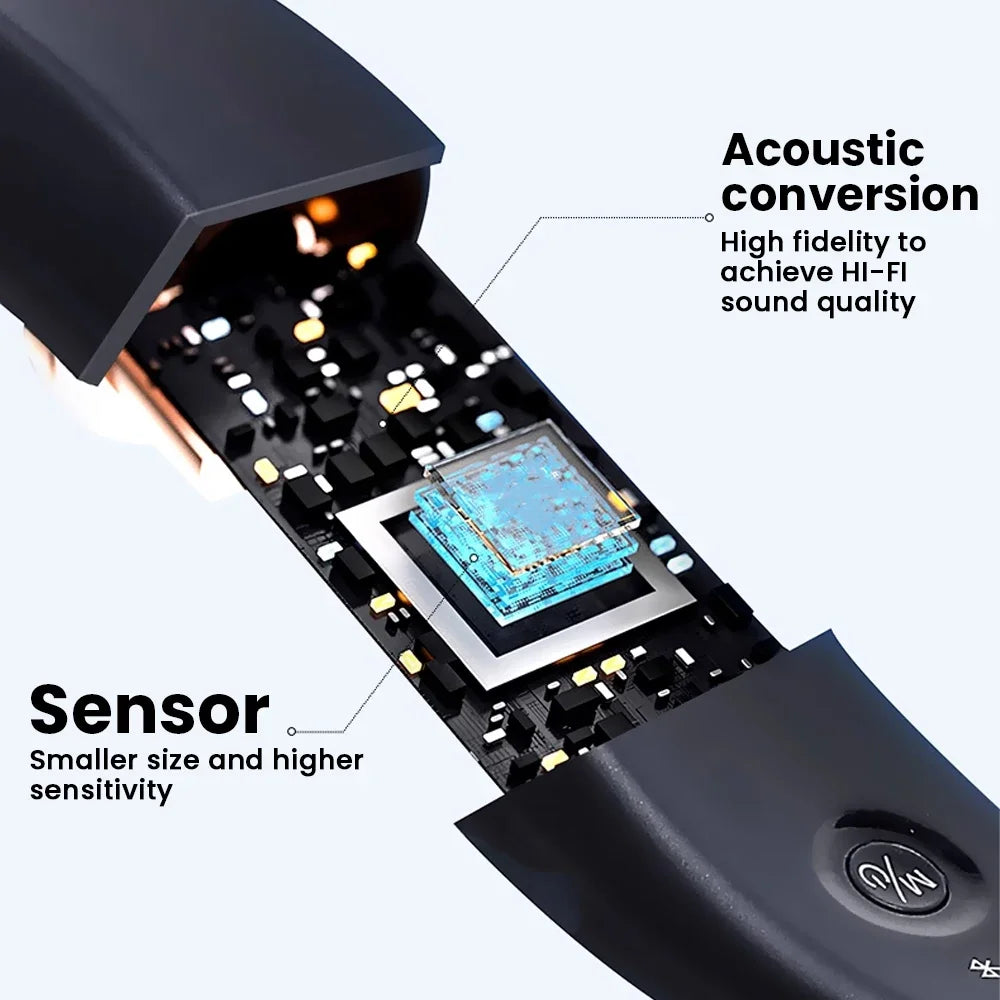
Sound waves visualization meets visualizing heart sounds for clearer understanding 💡 See it in action
Why Sound Waves Visualization Matters for Everyday Care
Sound waves visualization makes complex audio easier to interpret, especially when clarity matters. By translating sound into visual form, users can notice irregularities faster, compare recordings over time, and feel more confident in what they’re observing.
- Highlights changes that are hard to hear in noisy environments
- Supports learning by pairing sound with visual cues
- Improves consistency when reviewing audio later
- Reduces reliance on subjective listening alone
For families focused on wellness and safety, these benefits align naturally with solutions found in Health & Safety and Monitoring Devices.
How Sound Waves Visualization Tools Differ in Performance
Sound waves visualization tools vary widely in how they capture, display, and store data. Some focus on simple waveform audio visualization, while others combine amplification, filtering, and digitizing stethoscope technology.
Devices that perform best usually balance three elements: clarity, ease of use, and reliable data capture. When these align, visualizing heart sounds becomes faster and less stressful.
Top Device Types Used for Visualizing Heart Sounds
Digital Stethoscopes With Visual Output
These tools convert acoustic signals into digital data, displaying a heart sound waveform in real time. They’re especially helpful for learning and documentation.
Audio Analysis Apps Paired With Sensors
Mobile-friendly options focus on waveform audio visualization, offering portability and quick reviews without bulky equipment.
Hybrid Monitoring Devices
Combining sound capture with broader health tracking, these devices fit well alongside tools from Smart Baby Gadgets and Monitoring Devices.
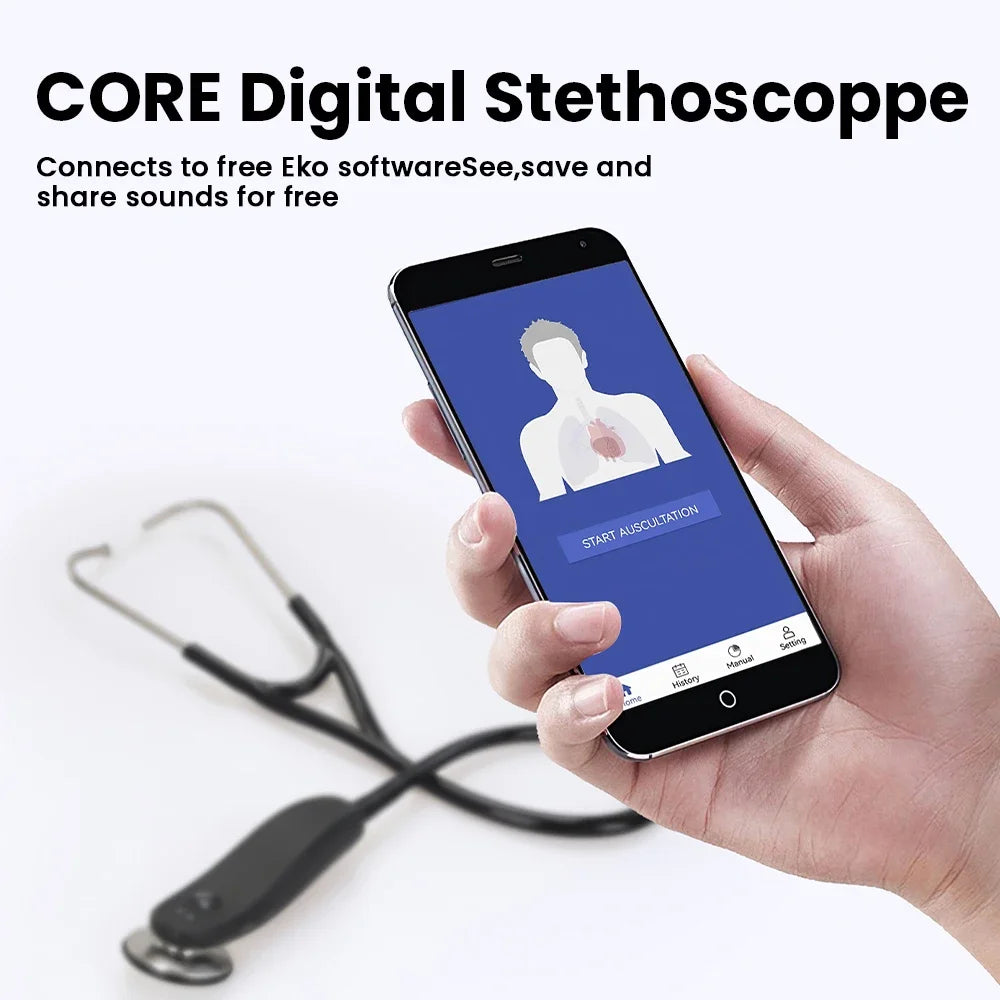
Waveform audio visualization reveals patterns at a glance 💡 See it in action
Side-by-Side Comparison of Popular Visualization Options
| Device Type | Strengths | Limitations | Best For |
|---|---|---|---|
| Digitizing Stethoscope | Clear heart sound waveform, recording capability | Higher learning curve | Detailed review and learning |
| App-Based Visual Tools | Portable, easy waveform audio visualization | Dependent on phone quality | Quick checks and education |
| Hybrid Monitors | Multi-purpose, family-friendly | Less specialized detail | Everyday wellness tracking |
Many families exploring these options also browse supportive solutions in Mom Essentials and Baby Care Essentials for a more complete setup.
Who Benefits Most From Sound Waves Visualization?
Visual tools aren’t just for specialists. Parents, caregivers, and learners all gain confidence when sound becomes something they can see.
- New parents wanting reassurance during routine checks
- Students learning to recognize normal vs. irregular patterns
- Professionals reviewing recordings for consistency
- Caregivers tracking changes over time
How to Choose the Right Visualization Device for Your Needs
Start by thinking about where and how often you’ll use it. At-home users may value simplicity, while frequent reviewers may prioritize detailed heart sound waveform data.
- Decide between real-time viewing or recorded playback
- Check compatibility with devices you already own
- Look for intuitive displays that reduce learning time
- Consider how it fits with other wellness tools
Tools designed for comfort and ease often complement collections like Beauty & Wellness and Massage & Relaxation, creating a calmer overall experience.
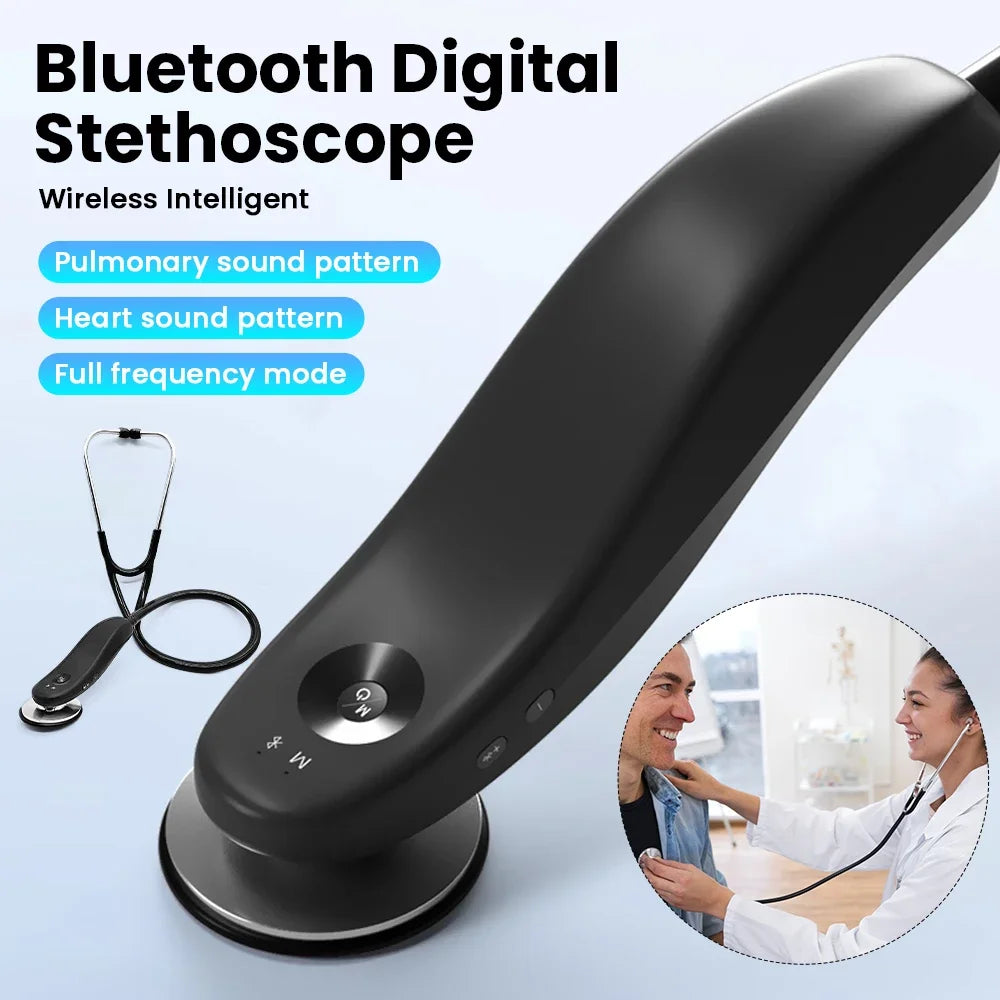
Heart sound waveform clarity supports confident decisions 💡 See it in action
👉 Explore how a digitizing stethoscope can simplify visual analysis and bring peace of mind.
Frequently Asked Questions
What makes sound waves visualization more reliable than listening alone?
Visual patterns provide objective reference points, making it easier to notice changes that ears alone may miss, especially in noisy settings.
Is waveform audio visualization difficult to learn?
Most modern tools are designed with clear displays, allowing beginners to recognize basic patterns quickly without technical overwhelm.
Can these tools be used at home?
Yes. Many options are designed for everyday environments and pair well with other monitoring solutions focused on safety and wellness.
Pillar Article: Stethoscope With Bluetooth: Best Options Compared
Other Related Articles:
- Poor Stethoscope Sound Quality? Devices That Fix It
- Electronic Stethoscope for Telemedicine: Best Picks
- Pulmonary Sounds Audio: Top Digital Tools Compared
- Heart Sound Recording Devices Reviewed Side by Side
Explore More:





