

Does baby mucus removal help actually make breathing easier for newborns?
Answer: Yes. Baby mucus removal help can make breathing easier for newborns by gently clearing mucus that blocks narrow nasal passages. Because babies breathe primarily through their noses during the first months of life, even mild congestion can interfere with feeding, sleeping, and overall comfort. Using saline drops when needed, followed by gentle suction with a bulb syringe or nasal aspirator, often provides fast baby nasal congestion relief while minimizing irritation.
⏱ 8 min read
Baby Mucus Removal Help: Easy Techniques Every Parent Should Know
A stuffy nose is one of the most common concerns for new parents, especially during cold season or when indoor air becomes dry. Fortunately, most newborn nasal congestion is temporary and can be managed safely at home with the right technique. This guide explains how to remove mucus from a baby nose safely, when congestion is considered normal, and the best first-line methods to help your little one breathe, feed, and sleep more comfortably.
baby mucus removal help + suctioning newborn with bulb syringe — See it in action.
Why gentle mucus removal matters for feeding, sleep, and comfort
Newborns rely almost entirely on their noses for breathing while feeding and resting. Since their nasal passages are extremely small, a little mucus can make breathing sound noisy and cause babies to pause more often during feeds. Gentle baby mucus removal helps restore airflow without damaging the delicate lining inside the nose.
It's also important to know that not every stuffy nose needs treatment. Babies commonly develop mild congestion from dry indoor air, milk residue, normal mucus production, or minor viral infections. If your baby is breathing comfortably, feeding well, and has no signs of illness, simple observation may be all that's needed. When congestion begins affecting sleep or feeding, safe baby mucus removal methods become helpful.
Key benefits at a glance
- Supports easier breastfeeding or bottle feeding by improving nasal airflow.
- Reduces noisy breathing that can interrupt naps and nighttime sleep.
- Helps babies stay calmer by relieving temporary nasal blockage.
- May reduce gagging caused by excess nasal secretions draining backward.
- Provides quick, drug-free baby nasal congestion relief when performed gently.
Quick solution: bulb syringe basics (suctioning newborn with bulb syringe)
A bulb syringe remains one of the simplest and most effective tools for clearing thin mucus from a newborn's nose. It requires no batteries, is easy to carry in a diaper bag, and works well before feedings or bedtime when congestion makes breathing more difficult.
Although simple to use, proper technique is essential. Gentle suction removes mucus effectively, while repeated or forceful suctioning can irritate sensitive nasal tissue. For thicker mucus, many pediatricians recommend loosening secretions with sterile saline drops before using the bulb syringe.
Why use a bulb syringe?
- Provides quick relief from mild nasal congestion.
- Works well for thin or watery mucus.
- Portable, inexpensive, and requires no charging or electricity.
- Ideal for occasional baby blocked nose episodes at home or while traveling.
- Easy to clean and reuse when maintained according to the manufacturer's instructions.
Step-by-step: safe suctioning for newborns
Following a consistent routine helps remove mucus effectively while protecting your baby's delicate nasal passages. The best way to clear a baby nose is to work gently, use sterile saline when needed, and stop once breathing becomes easier rather than trying to remove every trace of mucus.
Step 1: Use saline drops
If mucus appears thick or dry, place 1–2 drops of sterile saline into each nostril and wait 30–60 seconds. Saline helps soften dried secretions so they can be removed more comfortably without excessive suction.
Step 2: Remove mucus with a bulb syringe
- Wash your hands and have tissues or a soft towel nearby.
- Squeeze the bulb completely before placing the tip near one nostril.
- Insert only the soft tip just inside the nostril without forcing it.
- Release the bulb slowly to create gentle suction.
- Remove the syringe and empty the mucus into a tissue.
- Repeat only if necessary, then move to the other nostril.
Step 3: Use a nasal aspirator if needed
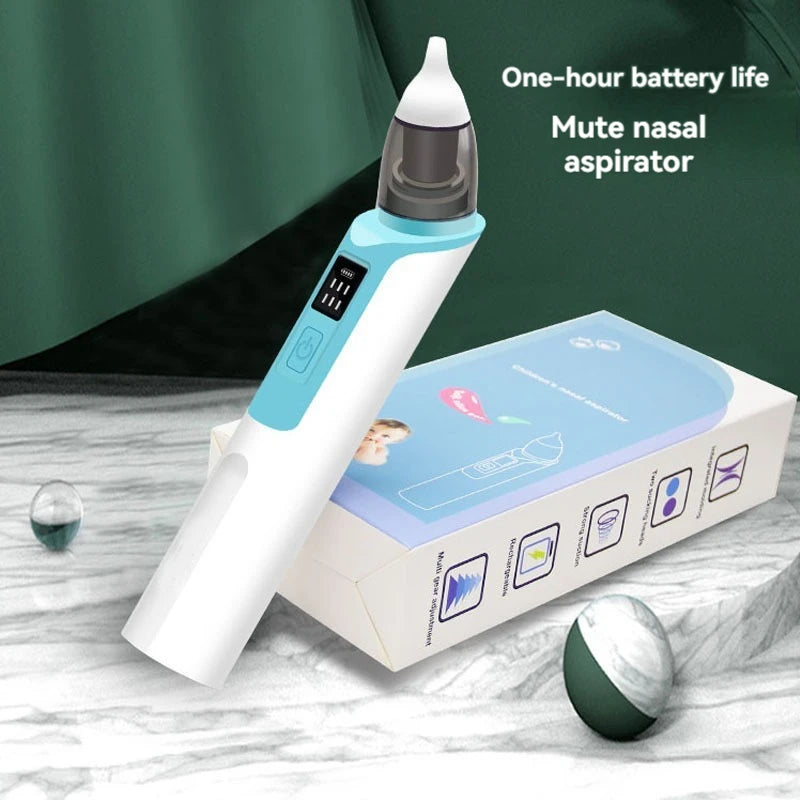
If congestion remains after using saline and a bulb syringe, a manual or electric nasal aspirator may provide better control for thicker mucus. Use short, gentle suction bursts and follow the manufacturer's instructions to avoid irritating the nasal lining.
Step 4: Help baby stay comfortable afterward
- Hold your baby upright for a few minutes after suctioning.
- Offer a feeding if congestion was interfering with nursing or bottle feeding.
- Wipe away any remaining mucus with a soft cloth.
- Clean the suction device immediately after use.
How often is safe?
Most babies only need nasal suction before feeding or before sleep when congestion is affecting comfort. Suctioning too frequently can dry or irritate the nasal lining, so use it only when mucus is causing noticeable blockage.
- Limit suctioning to times when it improves feeding or sleep.
- Use saline drops first whenever mucus is thick.
- Stop once airflow improves instead of aiming for a completely clear nose.
- If congestion lasts several days or steadily worsens, contact your pediatrician.
Aspirator cleaning: keep the tool safe and effective
Proper cleaning is essential because mucus can trap germs inside reusable suction devices. A clean aspirator works more effectively and helps reduce the risk of introducing bacteria or mold during future use.
Daily cleaning routine
- Take apart the bulb syringe or nasal aspirator immediately after each use whenever the design allows.
- Wash all reusable parts with warm water and mild soap.
- Use a small cleaning brush to reach narrow channels and suction tips.
- Rinse thoroughly to remove all soap residue.
- Allow every component to air dry completely on a clean towel before reassembly.
- Follow the manufacturer's sterilization recommendations if the product supports boiling or steam sterilization.
When to replace: Replace bulbs, silicone tips, or other soft components if they become cracked, sticky, discolored, misshapen, or difficult to clean completely.
Pro tip for aspirator cleaning
Always store the device only after it is fully dry. Moisture trapped inside tubing or bulbs can encourage mold or bacterial growth. For electric aspirators, clean only the washable parts and keep the motor unit dry according to the manufacturer's instructions.
Proper cleaning and safe suction techniques help keep your baby's nasal aspirator hygienic and ready for the next use.
Compare options: which mucus-removal method fits your needs?
No single device is best for every situation. The right choice depends on your baby's age, the thickness of the mucus, and how often you expect to use the tool. For most families, gentle home care with a bulb syringe or a reusable nasal aspirator is sufficient for occasional congestion.
| Tool | Best for | Advantages | Limitations |
|---|---|---|---|
| Bulb syringe | Occasional congestion and travel | Affordable, portable, simple to use, no batteries required | Less effective for thick or sticky mucus |
| Manual nasal aspirator | Routine home care | Better suction control, reusable, effective after saline drops | Requires careful cleaning after every use |
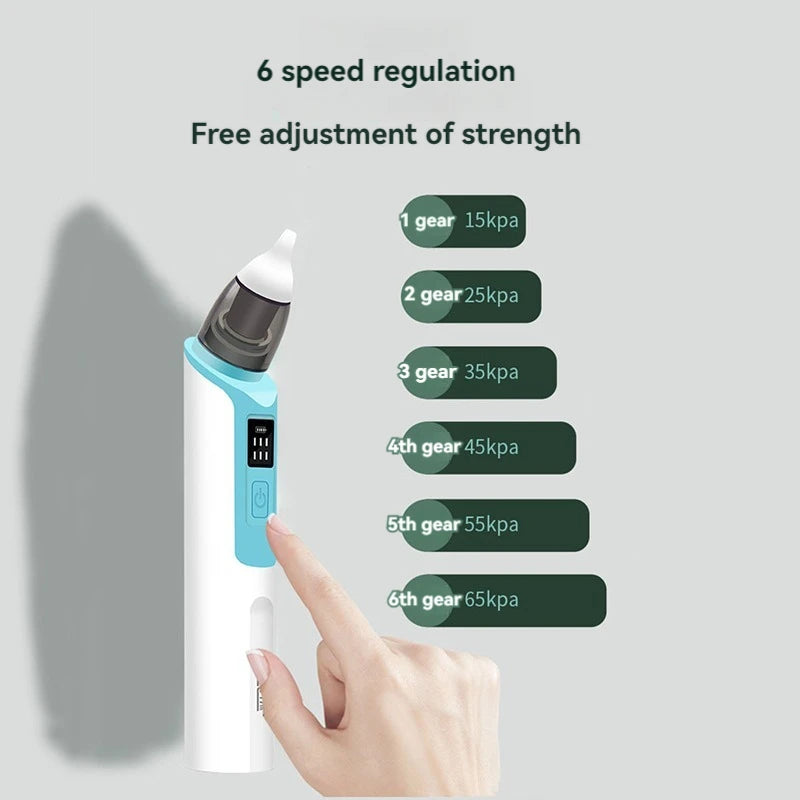
| Electric nasal aspirator | Parents wanting consistent, gentle suction | Easy operation, steady suction, multiple tip options on many models | Higher cost and requires charging or batteries |
| Hospital suction equipment | Medical settings for severe congestion | Powerful suction for specific clinical situations | Not intended for routine home use |
Quick pros & cons (✅ / ❌)
- ✅ Bulb syringe: Budget-friendly, portable, and ideal for occasional use.
- ❌ Bulb syringe: Can struggle with thick mucus and requires proper technique.
- ✅ Manual nasal aspirator: Excellent control and effective for regular home care.
- ❌ Manual nasal aspirator: Has several parts that should be cleaned thoroughly.
- ✅ Electric nasal aspirator: Convenient for frequent congestion and consistent suction.
- ❌ Electric nasal aspirator: Costs more than manual options and requires power.
- ✅ Hospital suction equipment: Appropriate when directed by healthcare professionals.
- ❌ Hospital suction equipment: Not recommended as a first-choice solution for routine newborn congestion at home.
Using an electric nasal aspirator safely
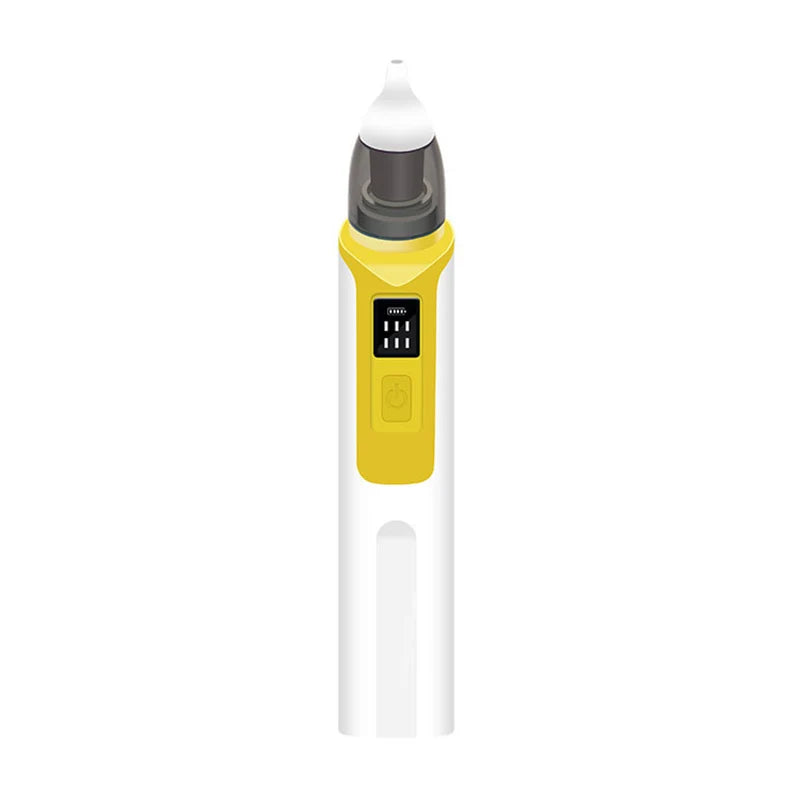
An electric nasal aspirator can simplify congestion care by providing steady, gentle suction with minimal effort. For the best results, soften mucus with saline drops first, use the lowest effective suction setting, and stop once your baby is breathing comfortably rather than trying to remove every small amount of mucus.
- Wash your hands before each use.
- Choose the correct soft silicone tip for your baby's age.
- Keep suction sessions brief, usually only a few seconds per nostril.
- Clean and dry every removable part immediately after use.
- Store the device in a clean, dry case until needed again.
Using a clean nasal aspirator with gentle technique helps make newborn congestion care safer and more comfortable.
Safety best practices & troubleshooting
Gentle technique is the key to safe baby mucus removal. Most newborn congestion improves with supportive care, but using suction too aggressively can irritate the nasal lining and make symptoms worse. Follow these precautions whenever you clear your baby's nose.
What never to put in a baby's nose
- Do not use cotton swabs or insert any object deep into the nostrils.
- Never use medicated nasal sprays unless specifically prescribed for your baby.
- Avoid homemade saline solutions unless prepared exactly as directed by a healthcare professional.
- Do not continue suctioning once breathing has improved.
Troubleshooting stubborn mucus
- Keep suction sessions brief—usually just a few seconds per nostril.
- Apply sterile saline drops and wait about one minute before suctioning thicker mucus.
- If indoor air is dry, using a cool-mist humidifier may help keep mucus from becoming thick.
- Offer regular feedings to help maintain hydration, which naturally thins mucus.
- Hold your baby upright after suctioning if congestion interferes with feeding.
- If symptoms worsen, persist beyond several days, or your baby has difficulty breathing, contact your pediatrician.
Final thoughts — calm, confident care for your newborn
Baby mucus removal help is most effective when you use gentle techniques, the appropriate suction tool, and good cleaning habits. Most episodes of newborn nasal congestion improve with supportive home care, including saline drops, careful suctioning only when necessary, and maintaining a clean aspirator. Keeping a small congestion kit with sterile saline, a bulb syringe or nasal aspirator, and clean tissues makes it easier to respond whenever your baby develops a stuffy nose.
If your newborn develops persistent congestion, struggles to feed, has fewer wet diapers, develops a fever, or shows signs of breathing difficulty, seek medical evaluation promptly rather than continuing repeated suctioning at home.
Helpful resources: For trusted cleaning tools and safety devices, check Sterilization Devices and Health & Safety .
Need the easiest, effective at-home option? Try the baby electric nasal aspirator for gentle suction and easy cleaning: Buy the baby electric nasal aspirator
Pillar Article: How to Relieve Newborn Congestion Step-by-Step for Calm, Easier Breathing
Other Related Articles:
- Baby Mucus Removal Help: Easy Techniques Every Parent Should Know
- Safe Newborn Suction Guide for Beginners: Clear Steps for Stress-Free Use
- Infant Stuffy Nose Remedies Made Simple: A Practical Guide for Daily Relief
- Newborn Nose Aspirator Reviews: Best Picks for Gentle Daily Congestion Care
Explore More:





