

Newborn Nose Aspirator Reviews: Best Picks for Gentle Daily Congestion Care
⏱ 8 min read
Does a newborn nose aspirator really help with infant congestion?
Answer: Yes — a newborn nose aspirator can help clear trapped nasal mucus so tiny babies can breathe, feed, and sleep more comfortably. The best newborn nose aspirator combines gentle, adjustable suction with soft silicone tips and simple cleaning, making infant blocked nose treatment safer and less stressful for both babies and parents.
Because newborns have very small nasal passages, even a small amount of mucus can make breathing, nursing, bottle feeding, and sleeping more difficult. Parents often search for how to clear a baby's blocked nose when traditional methods feel messy or difficult to control. A gentle nasal aspirator for babies provides a practical way to remove loose mucus while reducing the need for uncomfortable manual techniques. This guide explains how suction works, when aspirators help most, and what safety features matter before choosing a device.
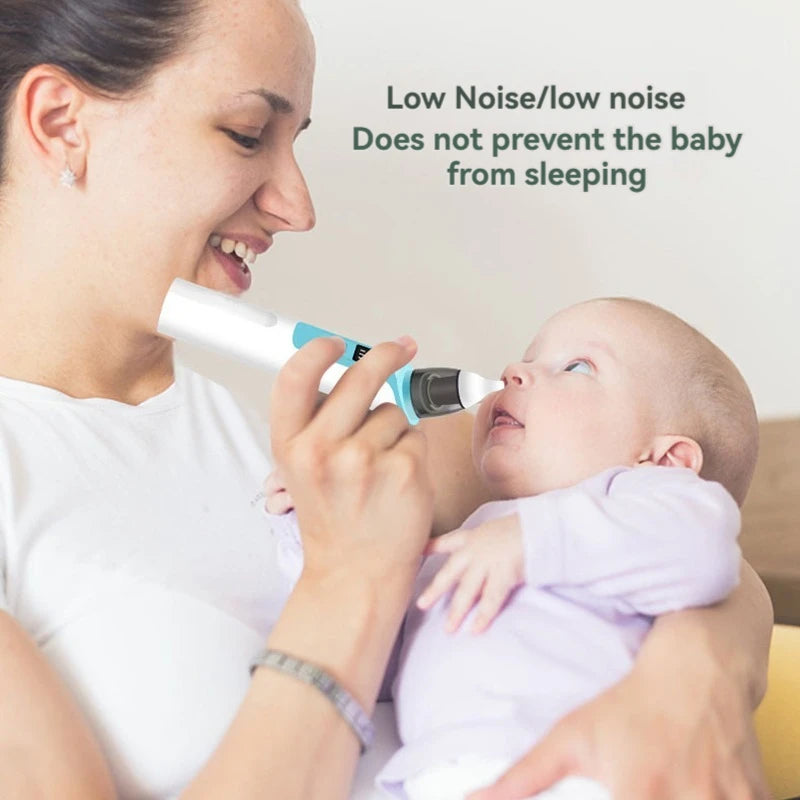
newborn nose aspirator • infant blocked nose treatment • See it in action
Not sure what comes next? Start with gentle essentials and practical gear for newborns. Mom Essentials
How nasal aspirators remove mucus
A nasal aspirator works by creating controlled suction that pulls loose mucus away from the front of the nostril. Unlike forceful nose blowing, which newborns cannot do themselves, an aspirator helps parents remove congestion gently while keeping the baby comfortable.
Most effective congestion routines combine three simple steps:
- Loosen mucus first: Saline drops can soften thick mucus before suction.
- Use gentle suction: Adjustable settings help prevent unnecessary irritation.
- Clean after every use: Proper maintenance keeps the device hygienic.
When they work best
A newborn nose aspirator is especially useful during moments when congestion affects daily routines, including:
- Before feeding when mucus makes sucking uncomfortable.
- Before naps or bedtime to support easier breathing.
- During mild colds when nasal mucus builds up.
Aspirators help remove mucus but do not treat the cause of an infection. Parents should contact a healthcare professional if a baby shows signs of serious breathing difficulty, dehydration, persistent high fever, unusual tiredness, or symptoms that continue to worsen.
How to use a newborn nose aspirator safely (step-by-step)
- Wash your hands and prepare a clean aspirator before use.
- Hold your baby upright or slightly reclined with the head supported.
- Apply 1–2 saline drops per nostril and wait about 30–60 seconds to loosen mucus.
- Select the smallest soft tip that fits comfortably at the nostril opening.
- For manual models, apply gentle suction slowly. For electric models, begin with the lowest suction setting and increase only when needed.
- Repeat on the other nostril and pause if your baby becomes very upset.
- Wash and dry removable parts according to the manufacturer’s cleaning instructions.
Start with practical criteria—safety, cleaning, and comfort. Explore Baby Hygiene Gadgets for tools designed for newborn care.
Electric vs. manual vs. bulb nasal aspirators: which type is right?
Choosing between an electric nasal aspirator for newborn use, a portable manual model, or a traditional bulb syringe depends on your baby’s congestion level, your daily routine, and how much control you want during suction. Each style can work well when used correctly, but they offer different advantages for comfort, convenience, and maintenance.
| Type | Pros | Cons | Best for |
|---|---|---|---|
| Electric nasal aspirator for newborn | Adjustable suction levels, consistent performance, easier operation, helpful for frequent congestion | Higher upfront cost, requires charging, needs regular cleaning | Daily congestion care and parents who want predictable suction control |
| Portable nasal aspirator | Lightweight, travel-friendly, convenient for diaper bags and quick relief | May have fewer suction settings than larger electric models | Travel, occasional congestion, and on-the-go use |
| Bulb syringe | Affordable, simple design, no batteries required | Can be harder to clean thoroughly and offers less suction control | Mild mucus and basic newborn care kits |
| Mouth aspirator with filter | Parent-controlled suction strength, quiet operation | Some parents prefer to avoid direct suction methods due to hygiene concerns | Parents who want manual control and a simple design |
Comfort comparison
For newborns, gentleness matters more than maximum suction strength. The best nasal aspirator for infants with congestion should remove mucus efficiently while using soft tips and controlled suction to avoid unnecessary irritation.
- Electric models: Often provide smoother suction control and reduce the physical effort required during congestion episodes.
- Manual models: Give parents direct control and operate quietly, which can help when caring for a sleeping baby.
- Bulb syringes: Work for occasional use but may require more effort to remove thicker mucus.
Cleaning comparison
Maintenance is one of the most important factors when choosing a safe nasal aspirator for newborns. Devices with removable parts and simple assembly are easier to keep hygienic.
- Electric aspirators should have washable collection cups, removable tips, and replaceable filters when applicable.
- Manual aspirators should be fully disassembled after use to prevent hidden moisture buildup.
- Bulb syringes require careful drying because trapped moisture can encourage bacteria growth.
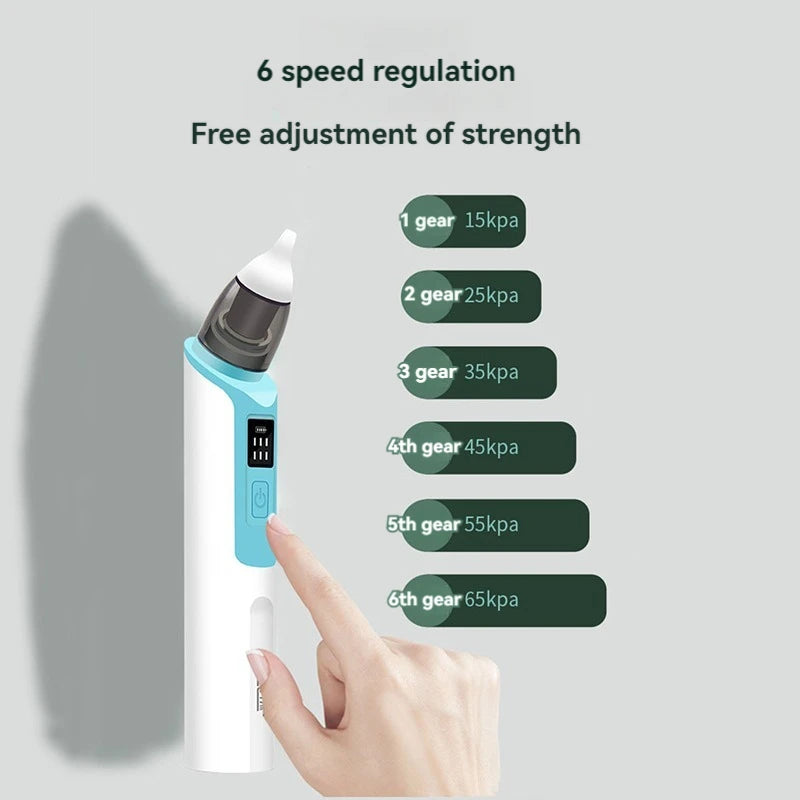
portable nasal aspirator • electric nasal aspirator for newborn • See it in action
Cleaning & care (keep it germ-free)
Regular cleaning keeps a baby nasal aspirator hygienic, maintains suction performance, and helps prevent bacteria or mold from developing inside removable components. A consistent cleaning routine is especially important for devices used during frequent congestion.
- Daily cleaning: Disassemble washable parts after every use and rinse away mucus residue with warm soapy water.
- Deep cleaning: Follow the manufacturer’s instructions for sterilizing or sanitizing tips and collection containers.
- Complete drying: Allow every component to air-dry fully before reassembly or storage.
- Replacement parts: Replace damaged silicone tips, worn filters, or cracked components promptly.
Filter replacement and storage tips
- Replace filters according to the product instructions to maintain airflow and hygiene.
- Store the aspirator in a clean, dry location away from moisture.
- Check suction parts regularly for residue, cracks, or signs of wear.
How to choose the best newborn nose aspirator (practical checklist)
Choosing the best newborn nose aspirator depends on your baby’s age, congestion frequency, and how easy the device is to use during everyday care. A reliable model should balance gentle suction, comfort, hygiene, and convenience rather than focusing only on suction strength.
Newborn vs older infants
Newborns need extra-gentle nasal care because their nasal passages are smaller and more sensitive. When comparing options, look for features designed for younger babies:
- Newborn-friendly tips: Soft silicone tips with an appropriate size help create a comfortable seal without pressing deeply into the nostril.
- Gentle suction control: Lower suction settings are important for newborns, while older infants may tolerate more flexibility depending on mucus thickness.
- Simple operation: A device that is easy to position and clean makes congestion care less stressful for parents.
Features worth paying for
- Adjustable suction levels: Allows parents to start gently and adjust only when necessary.
- Soft silicone tips: Improve comfort and reduce irritation during use.
- Easy disassembly: Removable parts make regular washing and maintenance easier.
- Quiet operation: A lower-noise design can be helpful when clearing congestion before naps or bedtime.
- Replacement parts availability: Extra tips and filters help maintain safe, long-term use.
- Portable charging options: Useful for families who want reliable congestion care at home and while traveling.
Many parents prefer an electric nasal aspirator for newborn care because it provides consistent suction with less manual effort during frequent congestion episodes. If you want to explore a practical option designed for daily newborn routines, see the product we recommend: Baby Electric Nasal Aspirator .
A nasal aspirator can help remove mucus and improve comfort, but it does not treat infections. If your baby has persistent high fever, bloody mucus, dehydration signs, or severe breathing trouble, contact a pediatrician promptly.
Frequently asked questions
-
Are electric nasal aspirators safe for newborns?
Yes, an electric nasal aspirator can be safe for newborns when used correctly. Choose a model with gentle suction settings, soft age-appropriate tips, and follow the manufacturer’s instructions. Start with the lowest suction level and avoid inserting the tip deeply into the nasal passage.
-
What is the best nasal aspirator for infants with congestion?
The best nasal aspirator for infants with congestion depends on your baby’s needs. Many parents prefer electric models because they provide consistent suction, easier operation, and adjustable settings for different congestion levels. A gentle design with soft silicone tips and simple cleaning is usually the best choice for regular use.
-
How often can I use a baby nasal aspirator?
A baby nasal aspirator can typically be used when congestion interferes with feeding, sleeping, or comfortable breathing. Many parents use it before feeds and bedtime. Avoid unnecessary repeated suctioning throughout the day because frequent irritation may make sensitive nasal tissues uncomfortable.
-
How do you clear a baby's blocked nose safely?
To clear a baby's blocked nose safely, use saline drops first to loosen mucus, wait briefly, then gently remove loosened mucus with a clean nasal aspirator. Keep the baby’s head supported and stop if your baby becomes very distressed.
-
Do I need saline before using a nasal aspirator?
Saline is not required for every use, but it can make congestion removal easier by softening thick or dried mucus. Using saline before suction may help reduce the need for stronger suction.
-
Are manual or electric nasal aspirators gentler for newborns?
Both manual and electric nasal aspirators can be gentle when used properly. Manual options give parents direct control, while electric models provide consistent suction settings that may be easier for frequent congestion care.
-
How do you clean a baby nasal aspirator?
Clean a baby nasal aspirator after every use by removing washable parts, rinsing away mucus residue, washing with warm soapy water, and allowing all components to dry completely before storage.
-
When should I see a doctor for my baby's congestion?
Contact a healthcare professional if your baby has severe breathing difficulty, persistent fever, poor feeding, signs of dehydration, bloody mucus, or congestion that continues to worsen.
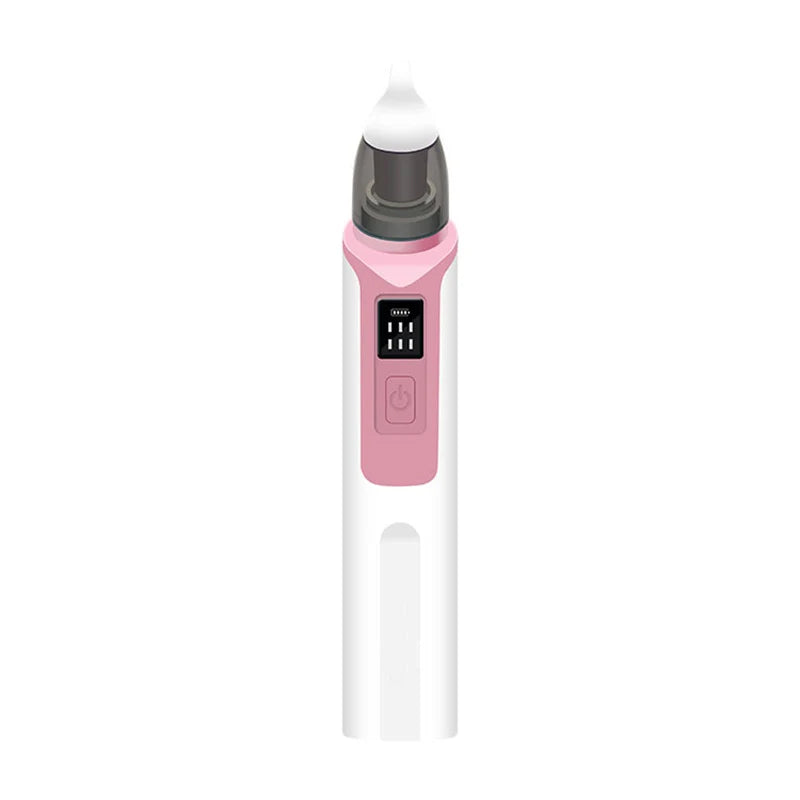
electric nasal aspirator for newborn • portable nasal aspirator • See it in action
Ready to try the Baby Electric Nasal Aspirator? It's designed for daily use and easy cleaning. Order the Baby Electric Nasal Aspirator and add calming nasal care to your routine.
Looking for more newborn essentials and tips? Check products and guides in Baby Care Essentials and tools for comfort in Sleep & Comfort .
Pillar Article: How to Relieve Newborn Congestion Step-by-Step for Calm, Easier Breathing
Other Related Articles:
- Baby Mucus Removal Help: Easy Techniques Every Parent Should Know
- Safe Newborn Suction Guide for Beginners: Clear Steps for Stress-Free Use
- Baby Mucus Removal Help: Easy Techniques Every Parent Should Know
- Infant Stuffy Nose Remedies Made Simple: A Practical Guide for Daily Relief
Explore More:





