

Safe Newborn Suction Guide for Beginners: How to Clear a Baby’s Nose Safely
⏱ 7 min read
Does a safe newborn suction guide really help parents clear tiny noses?
Yes. A safe newborn suction guide helps parents learn how to use a nasal aspirator for newborns correctly by following a gentle routine: loosen mucus with saline, position the baby safely, use controlled suction, and clean the device after use. The right newborn nasal aspirator technique can make breathing, feeding, and sleep more comfortable while reducing irritation.
- Prepare a nasal aspirator, saline drops, tissues, and a clean towel.
- Keep your baby calm and supported with the head slightly elevated.
- Apply saline first to soften dried or thick mucus.
- Use gentle suction one nostril at a time with short pulls.
- Clean the aspirator and comfort your baby afterward.
Learning how to clear baby nose safely does not require complicated steps. This safe newborn suction guide explains the correct newborn nasal aspirator how to use process, including preparation, positioning, suction technique, and aftercare. With a calm approach and the right device, parents can handle common congestion more confidently.
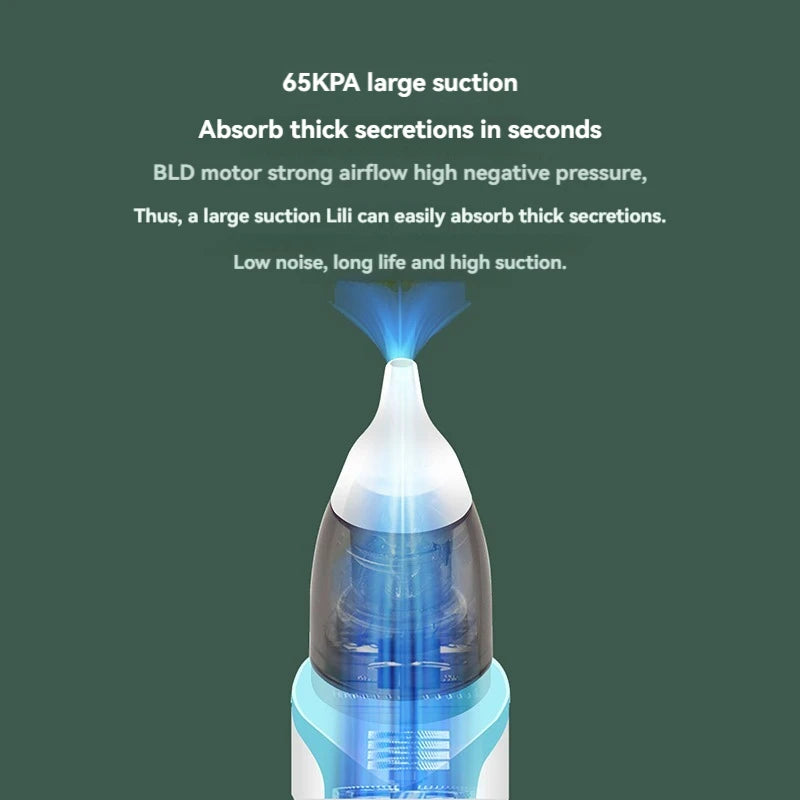
safe newborn suction guide + vacuum nasal aspirator — See it in action
How to use a nasal aspirator for newborn safely (step-by-step guide)
Direct answer: To use a nasal aspirator for a newborn safely, first wash your hands, prepare the device, soften mucus with saline drops, position your baby securely, and apply gentle suction for only a few seconds per nostril. Newborns have smaller nasal passages and more delicate tissue than older children, so the technique should always prioritize comfort over maximum suction strength.
When a newborn needs nasal suction
Newborns naturally breathe through their noses, which means congestion can make feeding, sleeping, and calming more difficult. A nasal aspirator may help when mucus blocks airflow, especially before feeding or bedtime.
Common signs your baby may benefit from gentle suction include:
- Noisy breathing caused by visible mucus in the nostrils.
- Trouble latching or pausing frequently during feeds.
- Difficulty settling because of a stuffy nose.
- Dry mucus that prevents comfortable breathing.
For additional guidance, parents can also learn about How to use saline drops for newborn congestion as part of a complete congestion-care routine.
What to prepare before suctioning
Before starting, gather everything within reach so the process stays calm and quick. A prepared setup helps prevent rushing and reduces stress for both parent and baby.
- Nasal aspirator: choose a clean device designed for infants.
- Saline drops: help loosen thick mucus before suction.
- Soft tissues or cloth: for wiping mucus and cleaning spills.
- Clean towel: provides comfort and support during positioning.
- Soothing item: such as a pacifier or bottle if needed afterward.
Safe positioning before you begin
Correct positioning makes newborn nasal aspirator how to use steps easier and safer. Keep your baby supported and avoid forcing the head into an uncomfortable position.
- Supported lap position: hold your baby securely with the head slightly elevated.
- Cradle position: support the neck and shoulders while keeping the face easy to access.
- Upright position: useful after feeding when your baby needs gentle mucus relief.
How nasal aspirators work
A nasal aspirator removes mucus by creating gentle suction at the opening of the nostril. The goal is not to empty the entire nasal passage, but to remove enough blockage to help your baby breathe more comfortably.
The best results usually come from combining saline and gentle suction. Saline helps soften mucus, allowing the aspirator to remove congestion with less pressure and fewer repeated attempts.
Bulb syringe vs electric nasal aspirator
| Device | How it works | Best for | Limitations |
|---|---|---|---|
| Bulb syringe | Manual squeezing creates suction | Simple occasional use | May provide less consistent suction control |
| Electric nasal aspirator | Motor-powered suction with controlled settings | Parents who want adjustable, repeatable suction | Requires charging and regular cleaning |
An electric nasal aspirator baby guide approach focuses on choosing a device with gentle settings, easy-to-clean parts, and a soft tip designed for infant comfort.
Why saline drops help first
Saline drops are often used before suction because they loosen mucus that may be dry, sticky, or difficult to remove. This can reduce the need for stronger suction and make the process more comfortable.
Using saline first is especially helpful when:
- Mucus appears thick or dried.
- Your baby has congestion after sleep.
- The aspirator removes little mucus during the first attempt.
Safe newborn suction steps (exact order)
Direct answer: The safest newborn suction order is: prepare the device, wash hands, apply saline, position your baby, suction each nostril gently, and finish with comfort and cleaning. Following this sequence helps protect delicate nasal tissue while making suction more effective.
Step 1: Wash hands and prepare the device
Clean hands reduce the chance of transferring germs during nasal care. Check that the aspirator is assembled correctly and that the silicone tip or nozzle is clean before use.
Step 2: Apply saline drops
Place saline drops according to the product instructions to soften mucus. Wait briefly before suctioning so the saline has time to work.
Step 3: Position your baby
Hold your baby securely with the head supported. A calm position helps prevent sudden movements and keeps the suction tip from being inserted too deeply.
Step 4: Suction each nostril gently
Use the lowest comfortable suction setting. Place the tip just at the nostril opening and use short suction pulls rather than continuous suction. Never force the tip into the nose.
Step 5: Comfort your baby afterward
After suctioning, offer comfort through feeding, cuddling, or a pacifier. Clean the device immediately after use to keep it ready for the next session.
Positioning examples that reduce squirming
- Lap hold: baby rests securely across your lap with the head supported.
- Cradle hold: semi-reclined position with gentle neck support.
- Parent-supported sitting: suitable for older infants who can sit with assistance.
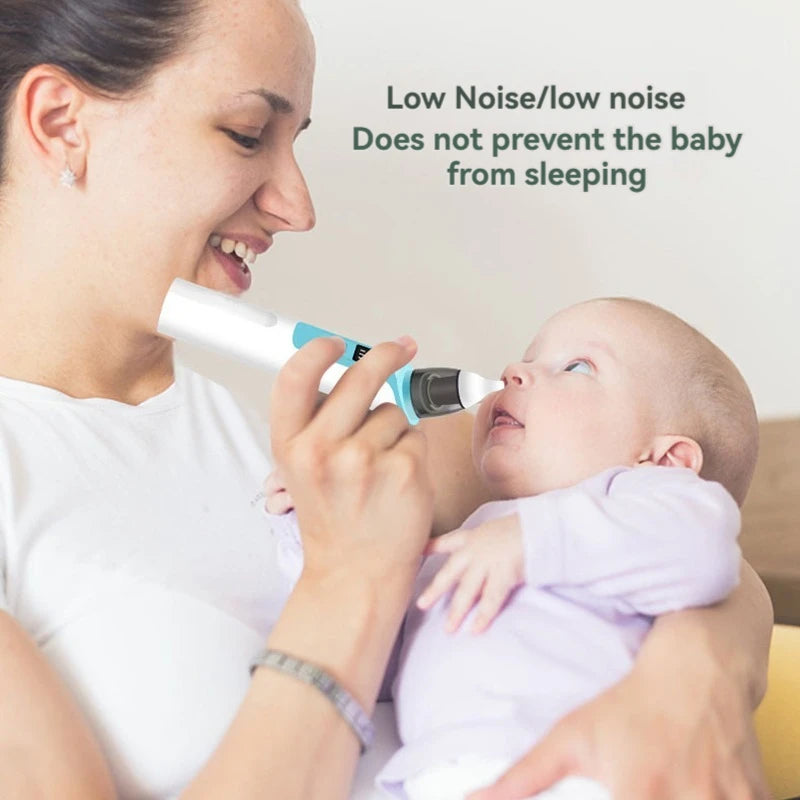
vacuum nasal aspirator + portable nasal aspirator — See it in action
Choosing the right nasal aspirator
The best nasal aspirator depends on your baby’s congestion level, your comfort with the device, and how often you plan to use it. A good electric nasal aspirator baby guide should consider suction control, cleaning requirements, portability, and how gentle the device feels for newborns.
Bulb aspirator
A bulb aspirator is a simple manual option that uses hand pressure to create suction. It can work well for occasional use when mucus is close to the nostril opening.
- Best for: occasional, light congestion.
- Benefits: affordable, simple design, no batteries required.
- Limitations: suction strength depends on the caregiver and may be harder to control consistently.
- Safety consideration: clean and fully dry the inside after each use to prevent moisture buildup.
Manual tube aspirator
Manual tube aspirators allow parents to create suction through a mouthpiece while a filter or collection chamber prevents mucus from reaching the caregiver.
- Best for: parents who want more control than a bulb syringe.
- Benefits: adjustable suction based on caregiver pressure and easy visibility of collected mucus.
- Limitations: requires more hands-on use and frequent cleaning of multiple parts.
- Safety consideration: always use a clean filter and follow the manufacturer’s cleaning instructions.
Electric nasal aspirator
An electric nasal aspirator uses motor-powered suction to remove mucus with consistent pressure. Many parents prefer this option because it offers repeatable suction levels and easier operation during nighttime congestion.
- Best for: frequent congestion care, busy parents, and situations where consistent suction control matters.
- Benefits: adjustable settings, quick operation, and less physical effort.
- Limitations: requires charging and regular maintenance.
- Safety consideration: always begin with the lowest setting and avoid extended suction sessions.
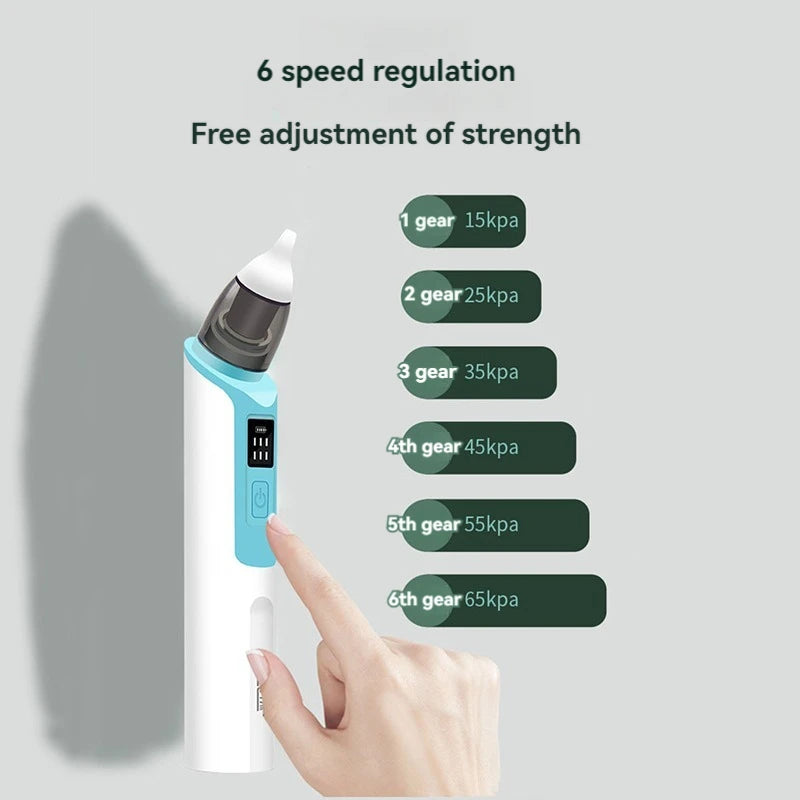
For parents looking for a convenient option, the Baby Electric Nasal Aspirator follows the gentle suction approach described in this guide with adjustable suction and easy cleaning features.
Common mistakes to avoid
Knowing what not to do is an important part of learning how to clear baby nose safely . Many newborn suction problems happen when parents use too much pressure, skip preparation, or repeat suction too often.
Using too much suction
Stronger suction does not always mean better results. A newborn’s nasal passages are small and sensitive, so excessive suction may cause irritation and discomfort.
- Start with the lowest suction level available.
- Use short suction attempts instead of holding suction continuously.
- Stop if your baby becomes very upset or the nose appears irritated.
Skipping saline before suction
Dry or sticky mucus is harder to remove. Skipping saline can lead to longer suction attempts because the mucus may remain attached inside the nostril.
- Use saline drops first when mucus appears thick or dry.
- Allow a short waiting period before suctioning.
- Avoid forcing the aspirator tip against hardened mucus.
Suctioning too often
Frequent unnecessary suction may irritate delicate nasal tissue. Use a nasal aspirator when congestion affects comfort, feeding, or breathing rather than as a routine activity without symptoms.
For more guidance on newborn breathing concerns, explore resources about Health & Safety and related newborn care topics.
How often can you use a nasal aspirator on a newborn?
Most parents can use a nasal aspirator several times when needed, especially before feeding or sleep, but frequent repeated suction throughout the day is usually unnecessary. The goal is to remove enough mucus to improve comfort while avoiding irritation.
Signs your baby needs suction
- Visible mucus blocking the nostrils.
- Difficulty feeding because breathing feels restricted.
- Noisy breathing caused by congestion.
- Trouble settling because of a blocked nose.
When to stop
Stop suctioning when your baby can breathe comfortably or when no mucus is coming out after gentle attempts. If congestion continues despite proper care, consider other causes and speak with a healthcare professional.
Comfort measures such as appropriate humidity, saline use, and safe sleep practices can also support easier breathing. Learn more about How to Relieve Newborn Congestion Step-by-Step for Calm, Easier Breathing for additional newborn congestion tips.
Cleaning and sterilizing the nasal aspirator
Cleaning your nasal aspirator after every use helps prevent bacteria buildup and keeps suction performance consistent. A clean device is especially important for newborns because their immune systems are still developing.
After every use
- Disassemble removable parts according to the manufacturer’s instructions.
- Rinse mucus-contact parts with warm water immediately after use.
- Wash silicone tips and containers with mild soap when recommended.
- Allow every part to dry completely before reassembly.
Deep cleaning recommendations
- Sanitize components only if the manufacturer confirms they are safe for boiling or sterilizing.
- Replace damaged silicone tips, filters, or worn parts when needed.
- Store the aspirator in a clean, dry container away from dust and moisture.
For night routines and other helpful tools, explore Sleep & Comfort and Health & Safety for complementary items like humidifiers or thermometers.
When to call a pediatrician
Nasal suction can help relieve mild congestion, but it does not treat every cause of breathing difficulty. Contact your pediatrician if your baby shows warning signs that need medical attention.
Warning signs requiring medical care
- Breathing difficulty: rapid breathing, chest pulling in with breaths, wheezing, or signs your baby is struggling to breathe.
- Persistent congestion: congestion that does not improve or continues to interfere with sleep and feeding.
- Fever or dehydration: fever concerns, fewer wet diapers, dry mouth, or unusual sleepiness.
- Poor feeding: refusing multiple feeds or being unable to feed comfortably because of congestion.
- Color changes: blue lips, pale skin, or unusual changes during breathing distress.
If you are unsure whether congestion is normal or needs medical care, it is safer to ask your pediatrician for guidance. Parents can also review information about Signs of newborn breathing problems and related newborn care topics.
Recommended newborn nasal suction solution
Choosing the right device can make newborn congestion care faster and less stressful. A reliable electric nasal aspirator can help parents follow the safe newborn suction steps from this guide by providing controlled suction, simple operation, and easier cleanup.
The Baby Electric Nasal Aspirator is designed for parents who want a convenient at-home option with adjustable suction levels. It supports a gentle approach by helping remove mucus without relying on excessive pressure or repeated attempts.
portable nasal aspirator + newborn suction order — See it in action
Frequently asked questions about newborn nasal aspirators
-
Is a nasal aspirator safe for a newborn?
Answer: Yes, a nasal aspirator can be safe for a newborn when used correctly. Use gentle suction, avoid inserting the tip too deeply, follow the recommended newborn suction order, and stop if your baby shows signs of discomfort. -
How often should I use a nasal aspirator on my newborn?
Answer: Use a nasal aspirator only when congestion affects your baby’s comfort, feeding, or breathing. Frequent unnecessary suction may irritate delicate nasal tissue, so use saline first and avoid repeated attempts when no mucus is present. -
Should I use saline drops before suctioning?
Answer: Yes. Saline drops help loosen thick or dried mucus, making it easier to remove with gentle suction. Waiting briefly after applying saline can improve results and reduce the need for stronger suction. -
Does using a nasal aspirator hurt a baby?
Answer: A properly used nasal aspirator should not hurt your baby. Some babies may dislike the sensation or become fussy, but gentle suction, a calm environment, and short sessions can make the experience more comfortable. -
Is an electric nasal aspirator better than a bulb syringe?
Answer: An electric nasal aspirator may be easier for some parents because it can provide consistent suction levels and require less manual effort. A bulb syringe is simple and affordable but may offer less control over suction strength. -
Can I suction my newborn while they are sleeping?
Answer: It is usually easier and safer to suction when your baby is awake, calm, and properly supported. If congestion is affecting sleep, gently waking your baby for a quick suction session may be more practical than attempting it during deeper sleep. -
What should I do if nothing comes out after suctioning?
Answer: Avoid increasing suction repeatedly. Try saline drops, wait a short time, and attempt again gently if needed. If your baby continues to have trouble breathing, feeding difficulties, or persistent congestion, contact a pediatrician. -
When should I stop using a nasal aspirator and call a pediatrician?
Answer: Stop relying on suction alone if congestion continues for an extended period or if your baby develops warning signs such as breathing difficulty, poor feeding, dehydration signs, fever concerns, or unusual tiredness. Medical advice can help identify the cause and the best treatment.
Related reading: discover more helpful items in Baby Hygiene Gadgets and items for comfort in Sleep & Comfort .
For more support with newborn congestion care, explore these related guides:
- How to use saline drops for newborn congestion
- Signs of newborn breathing problems
- How to take a newborn's temperature
- When newborn congestion needs medical care
- Safe sleep for congested babies
- Newborn cold vs allergies
Pillar Article: How to Relieve Newborn Congestion Step-by-Step for Calm, Easier Breathing
Other Related Articles:
- Baby Mucus Removal Help: Easy Techniques Every Parent Should Know
- Baby Mucus Removal Help: Easy Techniques Every Parent Should Know
- Infant Stuffy Nose Remedies Made Simple: A Practical Guide for Daily Relief
- Newborn Nose Aspirator Reviews: Best Picks for Gentle Daily Congestion Care
Explore More:





