

Infant Stuffy Nose Remedies Made Simple: A Practical Guide for Daily Relief
⏱ 8 min read
Does infant stuffy nose remedies really help my baby breathe easier?
Answer: Yes. Infant stuffy nose remedies can make breathing, feeding, and sleeping easier for babies with mild nasal congestion. Using saline drops, gentle suction, cool-mist humidity, and upright positioning helps loosen mucus and clear the nose without medication in most everyday cases. While these methods cannot treat serious illness, they provide effective infant stuffy nose relief for common newborn congestion.
- Use saline drops to loosen thick mucus.
- Gently remove loosened mucus with a nasal aspirator.
- Keep the air comfortably humid with a cool-mist humidifier.
- Hold your baby upright while awake and during feeds to encourage easier breathing.
Infant stuffy nose remedies don't have to be complicated. Mild congestion is common because babies have very small nasal passages and rely heavily on breathing through their noses, especially during feeding. Fortunately, simple home care often provides noticeable relief. In this guide, you'll learn what helps newborn stuffy nose symptoms, when to use saline drops, how to support easier breathing safely, and how to recognize signs that require medical attention.
Quick, Safe Solutions That Work
Most healthy infants with a stuffy nose improve with a few gentle home-care techniques. The goal is not to eliminate every trace of mucus but to make breathing easier before feeding, naps, and bedtime. Begin with saline drops to loosen mucus, then clear the nose gently if needed. Adding moisture to the air and keeping your baby comfortably upright while awake can further improve infant stuffy nose relief.
- Place 2–3 saline drops into each nostril before feeding or sleep.
- Gently clear loosened mucus with a nasal aspirator when congestion interferes with feeding or breathing.
- Use a cool-mist humidifier to reduce dry air that can thicken nasal mucus.
- Hold your baby upright while awake and during feeds to promote easier breathing.
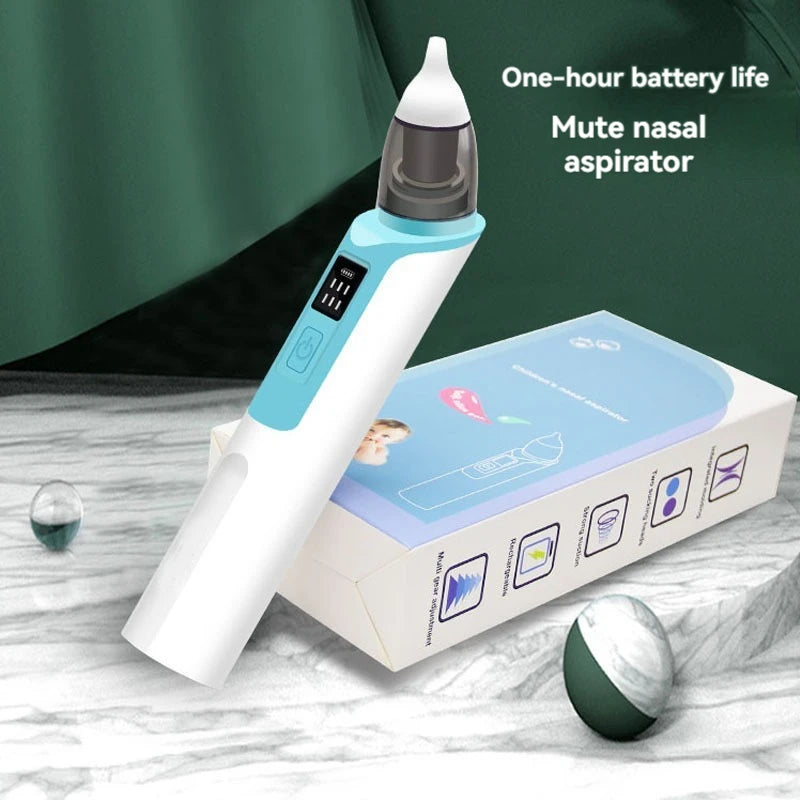
Infant stuffy nose remedies + infant stuffy nose relief — See it in action.
Step-by-step Newborn Congestion Treatment
Follow this gentle routine whenever congestion begins interfering with feeding, sleeping, or your baby's comfort. Work slowly, keep your baby calm, and stop if they become distressed.
- Check your baby's symptoms. Mild congestion often causes noisy breathing or brief feeding interruptions but should not cause severe breathing difficulty.
- Apply saline drops. Place 2–3 drops into each nostril and wait 30–60 seconds so the saline can soften thick mucus.
- Clear loosened mucus gently. Remove mucus only as needed using gentle suction. Avoid repeated suction sessions throughout the day, as excessive suction can irritate delicate nasal tissues.
- Add moisture to the air. Run a cool-mist humidifier in your baby's room or spend several minutes in a steamy bathroom without exposing your baby to hot steam.
- Support easier feeding. Hold your baby upright during feeds and allow short breaks if congestion makes sucking difficult.
- Repeat only when necessary. Saline can be used before future feeding or sleep sessions whenever congestion returns, while keeping suction gentle and limited.
Daily Home Routine for Ongoing Relief
A consistent routine can reduce feeding interruptions and help your baby stay more comfortable throughout the day. Focus on keeping nasal passages moist, clearing mucus only when necessary, and watching for changes in symptoms.
Morning routine
- Check for nasal congestion after your baby wakes up.
- Use saline drops if mucus is making breathing or feeding difficult.
- Clear loosened mucus gently only when needed before the first feed.
Before feeds
- Feed your baby in a comfortably upright position.
- If congestion interferes with sucking, apply saline drops several minutes before feeding.
- Offer regular feeds to help maintain hydration, which naturally keeps mucus thinner.
Before naps and bedtime
- Run a cool-mist humidifier if the room air is dry.
- Complete any necessary saline and gentle suction before laying your baby down.
- Clean and dry nasal care equipment after use according to the manufacturer's instructions.
Related gear that helps keep routines simple: Baby Hygiene Gadgets , Sleep & Comfort , and Temperature Tools .
Safety Tips & What to Avoid
Most infant nasal congestion improves with gentle home care. Avoid treatments that may irritate delicate nasal tissues or are not recommended for young babies.
- Don't insert cotton swabs into the nostrils. They can injure sensitive tissue and push mucus farther inside the nose.
- Avoid medicated nasal sprays and over-the-counter cold medicines. These products are generally not recommended for infants unless specifically prescribed by your healthcare provider.
- Skip essential oils and unproven home remedies. Strong fragrances, vapor rubs designed for adults, and herbal preparations may irritate an infant's airways instead of improving breathing.
- Limit suction to when it's truly needed. Gentle suction before feeds or sleep is often enough. Excessive suction can cause irritation and swelling that worsens congestion.
- Monitor for worsening symptoms. Contact your pediatrician if congestion is accompanied by fever, poor feeding, signs of dehydration, increasing breathing difficulty, or symptoms that continue to worsen instead of improving.
When to See a Doctor
Most cases of infant nasal congestion improve with gentle home care over several days. However, congestion can occasionally signal a more serious illness or become severe enough to affect breathing or feeding. Contact your pediatrician promptly if your baby's symptoms do not improve or if you notice any of the following.
Call your pediatrician
- Congestion that interferes with feeding or causes fewer wet diapers.
- A fever, especially in a newborn or young infant.
- Symptoms lasting longer than expected or becoming progressively worse.
- Persistent thick nasal discharge accompanied by increasing fussiness or poor sleep.
- Signs of dehydration, including a dry mouth, reduced tears when crying, or noticeably fewer wet diapers.
Seek emergency medical care
- Rapid, labored, or difficult breathing.
- Blue or gray lips, face, or fingertips.
- Your baby is difficult to wake, unusually sleepy, or not responding normally.
- Your baby cannot feed because of breathing difficulty.
- Breathing pauses or severe chest retractions while breathing.
When symptoms become severe or your instincts tell you something is wrong, seek medical evaluation immediately rather than continuing home treatment.
If you're looking for a convenient tool to help with gentle nasal care at home, the Buy here electric nasal aspirator can simplify mucus removal when used according to the manufacturer's instructions and your pediatrician's guidance.
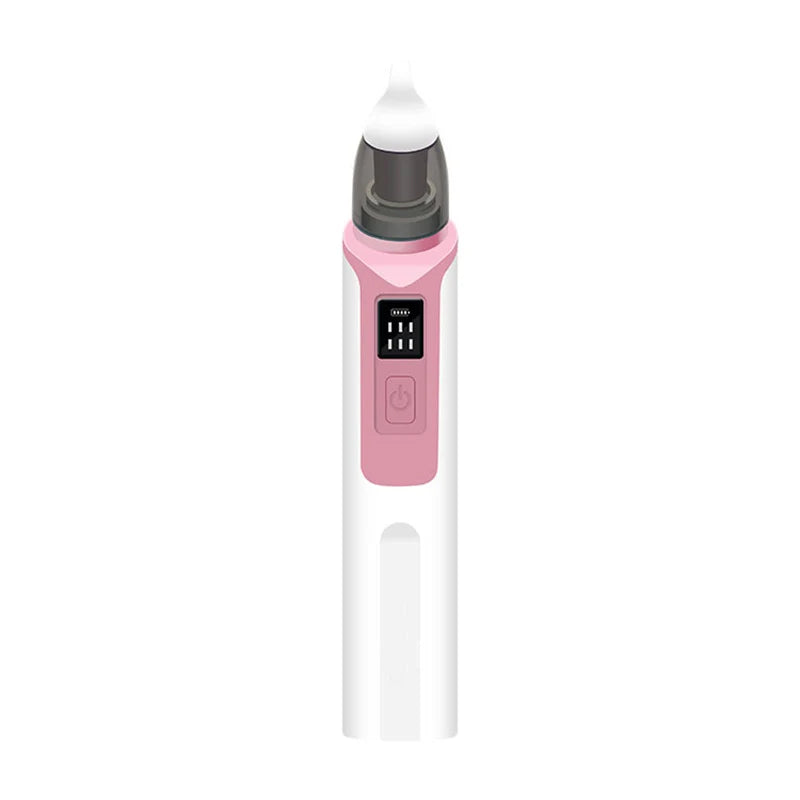
Infant stuffy nose remedies + newborn congestion treatment — See it in action.
Frequently Asked Questions
How often can I use saline drops for baby congestion?
Saline drops are generally safe to use several times a day whenever your baby's nose is blocked, especially before feeds or sleep. They help loosen thick mucus, making gentle suction more effective without irritating delicate nasal passages.
How often should I use a nasal aspirator on my newborn?
Use a nasal aspirator only when congestion is interfering with feeding, sleeping, or comfortable breathing. Limit suction to a few gentle sessions per day to avoid irritating the lining of the nose, and always use saline drops beforehand.
Can a stuffy nose keep my baby from feeding?
Yes. Because young infants breathe primarily through their noses while feeding, congestion can make nursing or bottle-feeding more difficult. Clearing the nose with saline and gentle suction shortly before feeding often improves comfort and intake.
Is it safe to let my baby sleep with a stuffy nose?
Mild nasal congestion alone is usually not dangerous. Always place your baby flat on their back on a firm sleep surface without pillows or wedges. If congestion is causing significant breathing difficulty, poor feeding, or frequent waking, contact your pediatrician.
Do humidifiers help infant nasal congestion?
Yes. A cool-mist humidifier adds moisture to dry indoor air, helping keep nasal passages from drying out and making mucus easier to clear. Clean the humidifier regularly according to the manufacturer's instructions to prevent mold and bacteria buildup.
When does newborn congestion become an emergency?
Seek emergency medical care immediately if your baby has blue lips or skin, pauses in breathing, severe chest retractions, persistent rapid breathing, extreme sleepiness, or is unable to feed because of breathing problems.
Can breast milk cure a baby's stuffy nose?
There is no reliable evidence that breast milk placed in the nose treats congestion. Sterile saline drops remain the safest and most widely recommended option for loosening mucus before gentle suction.
How long does infant nasal congestion usually last?
Congestion caused by dry air may improve within a day or two after home care begins. Congestion from a viral cold often lasts 7–10 days. If symptoms worsen, persist beyond 10–14 days, or are accompanied by fever, poor feeding, or breathing difficulty, your pediatrician should evaluate your baby.
Helpful collections to explore for calming routines and safe gear: Baby Care Essentials , Baby Hygiene Gadgets , and Health & Safety .
Need a practical starter? Try saline plus a gentle aspirator today and support easier feeding and sleep with a reliable tool: /products/baby-electric-nasal-aspirator .
Pillar Article: How to Relieve Newborn Congestion Step-by-Step for Calm, Easier Breathing
Other Related Articles:
- Baby Mucus Removal Help: Easy Techniques Every Parent Should Know
- Safe Newborn Suction Guide for Beginners: Clear Steps for Stress-Free Use
- Baby Mucus Removal Help: Easy Techniques Every Parent Should Know
- Newborn Nose Aspirator Reviews: Best Picks for Gentle Daily Congestion Care
Explore More:





