

Does infant mucus removal really help babies breathe easier?
Answer: Yes. Baby mucus removal can make breathing easier by gently clearing mucus that blocks a newborn's small nasal passages. Because newborns breathe primarily through their noses, even mild congestion can affect feeding, sleep, and overall comfort. Using saline drops when needed, gentle suction with a bulb syringe or infant nasal aspirator, and proper cleaning of suction tools can provide effective infant congestion relief while minimizing irritation.
⏱ 8 min readBaby Mucus Removal Help: Easy Techniques Every Parent Should Know
Baby mucus removal help is one of the safest ways to improve your newborn's comfort when nasal congestion makes breathing, feeding, or sleeping more difficult. While a stuffy nose is common during the first months of life, knowing when congestion is normal—and how to remove mucus safely—can help your baby breathe more comfortably without causing unnecessary irritation. This guide explains evidence-based techniques, when to use saline and suction, and how to care for your baby's nose at home.
Baby mucus removal help using gentle suctioning with a bulb syringe.
Does infant mucus removal really help babies breathe easier?
For most healthy newborns, the answer is yes. Babies are considered obligate nose breathers during the first months of life, meaning they rely heavily on clear nasal passages to breathe comfortably while feeding and sleeping. Because their nasal passages are extremely small, even a small amount of mucus can noticeably restrict airflow.
Gentle infant mucus removal can improve comfort by clearing these passages without damaging the delicate lining inside the nose. While it does not treat the underlying cause of congestion, it often provides immediate short-term relief that helps babies feed more effectively and rest more peacefully.
It's also important to remember that mild congestion is common and often resolves on its own. Home care focuses on making your baby more comfortable rather than completely eliminating every trace of mucus.
Benefits of gentle baby mucus removal
- Supports easier breastfeeding and bottle feeding.
- Helps babies breathe more comfortably through their noses.
- Reduces noisy breathing caused by excess nasal mucus.
- May improve sleep when congestion interferes with rest.
- Provides temporary infant congestion relief without medication when performed correctly.
Why babies develop nasal congestion
Understanding why congestion happens helps parents know when newborn mucus removal is appropriate and when simple observation is enough. Most congestion is temporary and develops because babies have tiny nasal passages that become blocked much more easily than those of older children.
Common causes of baby nasal congestion
- Naturally narrow nasal passages during the newborn period.
- Normal mucus production that traps dust and particles. Dry indoor air, especially during winter or when heating systems are running.
- Minor viral colds.
- Environmental irritants such as smoke, perfumes, or dust.
When congestion is expected vs. concerning
Occasional stuffiness without fever, feeding problems, or breathing difficulty is usually normal. However, congestion accompanied by poor feeding, persistent breathing problems, high fever in a young infant, or signs of dehydration should be evaluated by a healthcare professional.
Quick solution: bulb syringe basics (suctioning newborn with bulb syringe)
A bulb syringe remains one of the simplest tools for baby nose suction. It is inexpensive, portable, and effective for removing thin mucus when used gently. Many hospitals provide one after delivery, making it a familiar option for new parents.
For thicker mucus, many pediatricians recommend loosening secretions with sterile saline drops before suctioning. This helps reduce irritation and makes mucus easier to remove.
Why use a bulb syringe?
- Simple design that's easy for new parents to learn.
- Provides quick relief before feeding or bedtime.
- Works well for thin or moderate nasal mucus.
- Portable and requires no batteries or charging.
- Can be an effective first step for safe infant mucus removal when used correctly.
Step-by-step: how to remove mucus from a baby nose safely
Using the correct technique helps remove mucus effectively while protecting your baby's delicate nasal lining. Keep each suction session short, gentle, and only perform it when congestion is making feeding, sleeping, or breathing through the nose more difficult.
Using saline drops
If mucus appears thick or dried, place 1–2 drops of sterile saline solution into each nostril before suctioning. Wait about 30–60 seconds to allow the saline to soften the mucus, making it easier to remove with less force.
- Use only sterile saline made for infants.
- Keep your baby's head slightly elevated or turned gently to one side.
- Do not use medicated nasal sprays unless instructed by your pediatrician.
Suctioning newborn with bulb syringe
- Wash your hands and prepare tissues, saline drops if needed, and a clean bulb syringe.
- Squeeze the bulb completely before placing the tip near the nostril to expel the air.
- Insert the soft tip just inside the nostril without forcing it deeply.
- Slowly release the bulb so it gently draws mucus into the syringe.
- Remove the syringe and empty the mucus into a tissue.
- Repeat only if necessary, then move to the other nostril.
- Clean the bulb syringe immediately after use following the cleaning instructions below.
Using an infant nasal aspirator
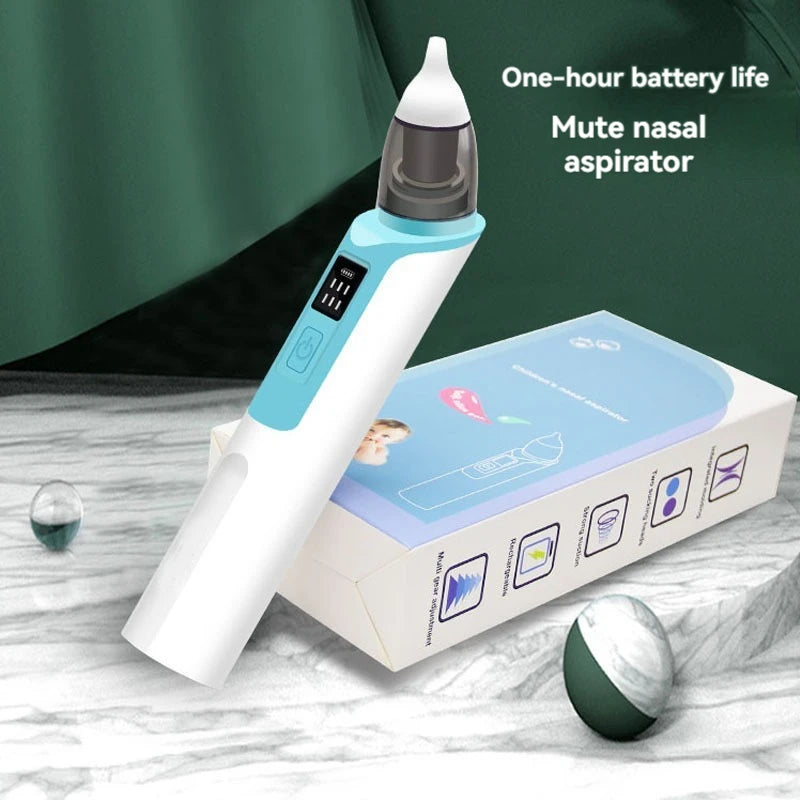
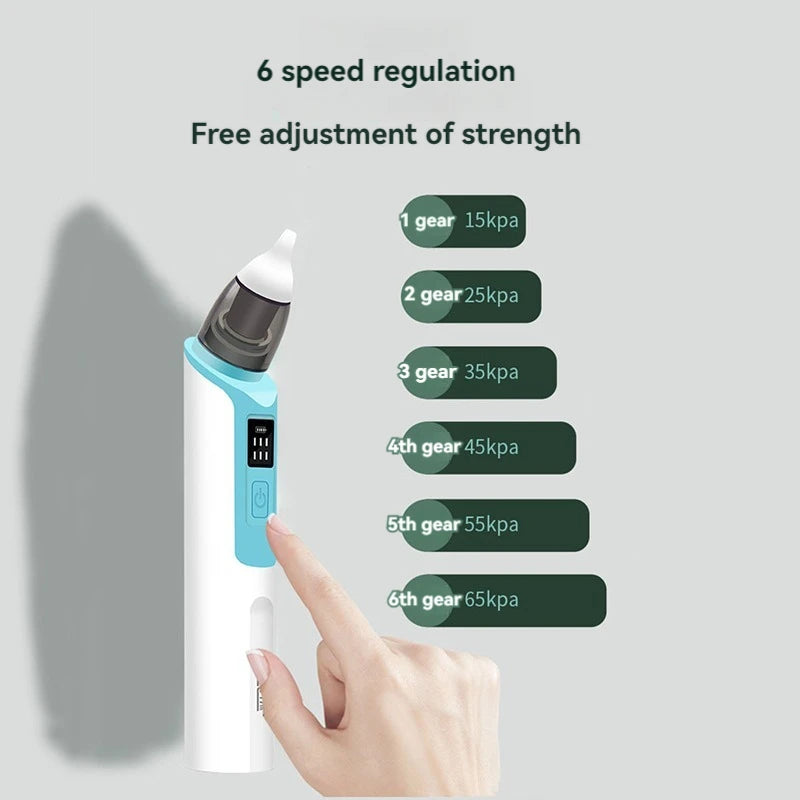
An infant nasal aspirator may provide more consistent suction than a traditional bulb syringe, especially for thicker mucus. Whether using a manual or electric model, follow the manufacturer's instructions and use gentle suction only for a few seconds at a time.
- Use the correct tip size for your baby's age.
- Keep suction gentle rather than prolonged.
- Stop if your baby becomes distressed or the nasal lining begins to look irritated.
How often is safe?
Most babies only need baby nose suction before feeding or sleep when congestion is clearly affecting comfort. Frequent suctioning throughout the day is usually unnecessary and may irritate the nasal lining. If mucus continues returning, focus on supportive care such as humidified air and saline rather than increasing suction frequency.
Cleaning and maintaining nasal suction tools
Proper cleaning is an essential part of safe infant mucus removal. Moisture and mucus left inside a suction device can encourage bacterial or mold growth, making hygiene just as important as correct suction technique.
Daily cleaning routine
- Disassemble the bulb syringe or nasal aspirator immediately after each use whenever possible.
- Wash all washable components with warm water and mild soap.
- Use a small cleaning brush to reach narrow channels and hidden areas.
- Rinse thoroughly to remove all soap residue.
- Allow every part to air dry completely on a clean towel before reassembling.
- Sterilize components according to the manufacturer's instructions if frequent use is expected.
How to prevent contamination
- Store the device only after it is completely dry.
- Do not share nasal suction tools between children.
- Replace worn bulbs, filters, or silicone tips if they become cracked, sticky, or discolored.
- Follow manufacturer guidance for replacing disposable components.
Pro tip for aspirator cleaning
A small bottle brush can help remove mucus trapped inside narrow passages. For electric aspirators, never immerse motorized components in water. Instead, clean only the removable parts as directed by the manufacturer and keep the main unit dry.
When to contact your pediatrician
Most cases of baby nasal congestion improve with gentle home care, but some symptoms require medical evaluation. Rather than continuing repeated suction attempts, contact your pediatrician if congestion is making it difficult for your baby to feed, breathe comfortably, or recover over several days.
Warning signs requiring medical care
- Rapid, labored, or noisy breathing that does not improve after gentle mucus removal.
- Chest retractions, grunting, or blue lips or face.
- Poor feeding, dehydration, or fewer wet diapers than usual.
- Persistent congestion that worsens instead of improving.
- Fever in a newborn or young infant requiring prompt medical assessment.
Gentle newborn nasal suction can provide temporary relief, but persistent breathing difficulty should always be evaluated by a healthcare professional.
Compare infant mucus removal methods
Different mucus-removal tools work well in different situations. The best choice depends on your baby's symptoms, the thickness of the mucus, and how frequently you expect to use the device.
Bulb syringe vs. nasal aspirator
| Tool | Best for | Advantages | Limitations |
|---|---|---|---|
| Bulb syringe | Occasional congestion and travel | Affordable, portable, simple to use, no batteries required | May be less effective for thick or sticky mucus |
| Manual nasal aspirator | Routine home use | Consistent suction, reusable, good control | Requires thorough cleaning after every use |
| Electric nasal aspirator | Parents who prefer automated suction | Consistent suction with minimal manual effort | Higher cost and requires charging or batteries |
When each method is best
- Bulb syringe: Ideal for occasional newborn congestion, travel, and quick relief before feeding.
- Manual nasal aspirator: A good choice for families managing frequent nasal congestion during colds.
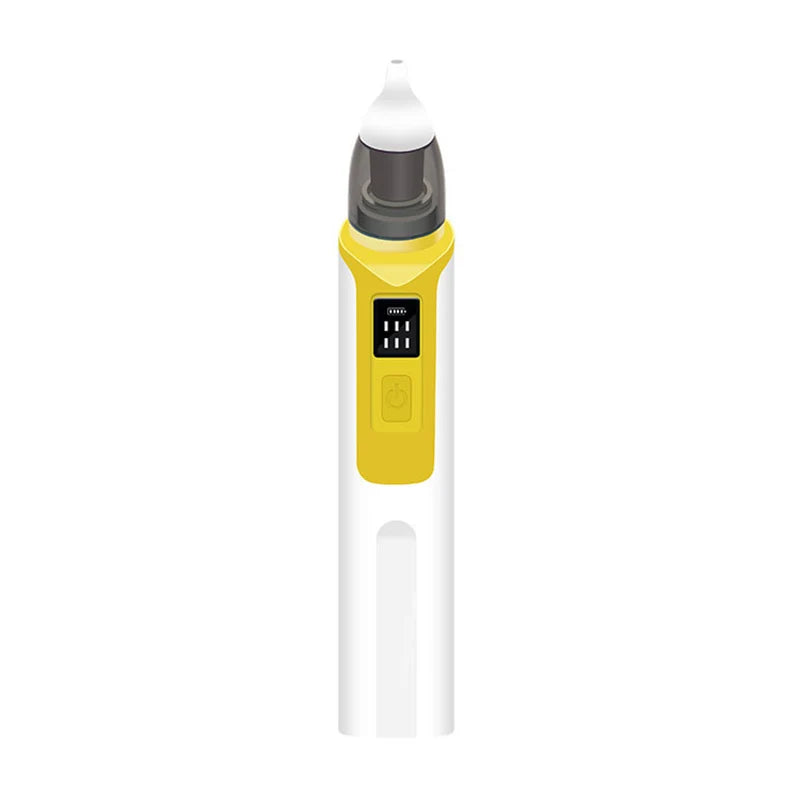
- Electric nasal aspirator: Helpful when caregivers prefer consistent suction and easier one-handed operation.
Quick comparison (✅ / ❌)
- ✅ Bulb syringe: inexpensive, lightweight, and easy to carry.
- ❌ Bulb syringe: less effective for thick mucus and more difficult to clean internally.
- ✅ Manual nasal aspirator: reliable suction with excellent control.
- ❌ Manual nasal aspirator: requires careful cleaning after every use.
- ✅ Electric nasal aspirator: convenient for repeated home use.
- ❌ Electric nasal aspirator: higher upfront cost and needs charging or batteries.
Common mistakes to avoid during baby mucus removal
Gentle technique is more important than frequent suction. Avoiding these common mistakes helps protect the sensitive lining of your baby's nose while still providing effective congestion relief.
- Over-suctioning: Removing mucus too often can irritate the nasal passages and increase swelling.
- Skipping saline for thick mucus: Sterile saline helps loosen dried secretions so less suction is needed.
- Using excessive force: Never push the tip deep into the nostril or create aggressive suction.
- Poor hygiene: Always clean and dry the suction device after every use to reduce contamination.
- Suctioning when unnecessary: Mild congestion that does not interfere with feeding or sleep often improves with humidified air and time.
Clean and maintain your nasal aspirator after each use to help keep it safe and effective.
Safety best practices and troubleshooting
Safe mucus removal focuses on relieving congestion while protecting the delicate tissues inside your baby's nose. If suction is not improving symptoms, stop repeated attempts and use supportive care measures instead.
If suction doesn't remove mucus
- Keep suction sessions brief—typically only a few seconds per nostril.
- Use sterile saline drops first and wait 30–60 seconds before trying again.
- Run a cool-mist humidifier nearby if the room air is dry.
- Hold your baby upright for a short period after feeding to encourage comfortable breathing.
- Never force the tip deeper into the nostril if mucus is difficult to remove.
When congestion keeps returning
- Check for dry indoor air, smoke exposure, or other environmental irritants.
- Clean and dry your suction device thoroughly after every use.
- Avoid suctioning more often than necessary, as overuse can irritate the nasal lining.
- Contact your pediatrician if congestion lasts several days, becomes worse, or interferes with feeding or sleep.
Preventing future nasal congestion
While congestion cannot always be prevented, a few daily habits may reduce irritation and help keep your baby's nasal passages comfortable.
- Maintain comfortable indoor humidity with a cool-mist humidifier when appropriate.
- Keep your baby well hydrated through regular feedings.
- Avoid exposure to cigarette smoke and strong fragrances.
- Use saline drops only when needed rather than performing routine suction every day.
- Wash hands frequently to reduce the spread of common cold viruses within the household.
Frequently asked questions
-
How often can I suction my newborn's nose safely?
Use suction only when congestion interferes with feeding, sleeping, or comfortable breathing. Most babies do not need frequent suctioning, and excessive use may irritate the nasal lining.
-
Should I use saline drops before suctioning a baby's nose?
Yes. Sterile saline drops help soften thick or dried mucus, making it easier to remove with gentler suction.
-
Is a bulb syringe or an infant nasal aspirator better?
Both can be effective. A bulb syringe works well for occasional congestion, while an infant nasal aspirator may provide more consistent suction for regular home use. Choose the option you can use gently and clean thoroughly.
-
When should I worry about my baby's nasal congestion?
Seek medical advice if your baby has difficulty breathing, poor feeding, dehydration, persistent fever, blue lips, or congestion that continues to worsen despite home care.
-
Can over-suctioning irritate a baby's nose?
Yes. Repeated or aggressive suctioning can irritate the delicate nasal tissues, so suction should be used only when necessary and with a gentle technique.
-
How can I clear my baby's nose without a suction device?
Saline drops, humidified air, keeping your baby upright while awake, and maintaining adequate hydration may help loosen mucus naturally. If congestion persists or becomes severe, consult your pediatrician.
Helpful resources: For trusted cleaning tools and safety devices, check Sterilization Devices , Baby Bath Accessories , and Health & Safety .
Looking for a gentle at-home option? Buy the baby electric nasal aspirator for convenient nasal suction and easy cleaning.
Pillar Article: How to Relieve Newborn Congestion Step-by-Step for Calm, Easier Breathing
Other Related Articles:
- Safe Newborn Suction Guide for Beginners: Clear Steps for Stress-Free Use
- Baby Mucus Removal Help: Easy Techniques Every Parent Should Know
- Infant Stuffy Nose Remedies Made Simple: A Practical Guide for Daily Relief
- Newborn Nose Aspirator Reviews: Best Picks for Gentle Daily Congestion Care
Explore More:





