

Does using a nasal aspirator really help newborn congestion?
Answer: Yes. A nasal aspirator can provide effective newborn congestion relief when used correctly with saline drops and gentle suction. Clearing excess mucus helps babies breathe more comfortably, feed more easily, and settle for sleep. Regular cleaning of the aspirator is equally important to maintain hygiene, protect delicate nasal tissue, and keep suction performance consistent.
How to Help Newborn Congestion: Best Reviewed Aspirators for Faster Relief
Wondering how to help newborn congestion without causing discomfort? The safest approach usually combines saline drops, gentle suction, and good cleaning habits. In this guide, you'll learn when a portable nasal aspirator is enough, when an electric vacuum nasal aspirator may offer better results, and how to choose a model that is easy to clean, comfortable for your baby, and practical for everyday use. You'll also discover evidence-based tips that help improve feeding, sleep, and breathing during common episodes of nasal congestion.
⏱ 8 min read
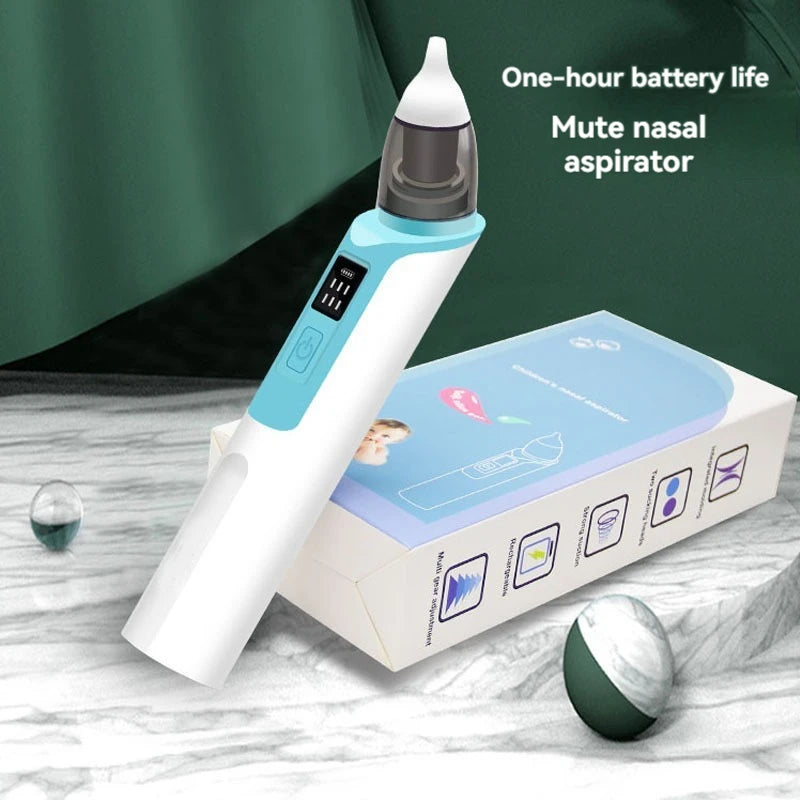
how to help newborn congestion • portable nasal aspirator • See it in action
Why Newborn Congestion Matters
Newborns rely primarily on their noses for breathing, especially while feeding and sleeping. Even a small amount of mucus can narrow tiny nasal passages, making nursing more difficult, disrupting naps, and leaving babies fussy or uncomfortable. Fortunately, most mild congestion can be managed safely at home with supportive care and the right nasal aspirator.
Congestion itself is not always a sign of illness. Dry indoor air, normal mucus production, and exposure to common irritants can all contribute to a stuffy nose. The goal is not to remove every trace of mucus but to clear enough to help your baby breathe comfortably.
How Nasal Aspirators Work
A nasal aspirator gently removes mucus that blocks airflow inside a baby's nose. Manual models create suction through a squeeze bulb or parent-powered system, while electric vacuum nasal aspirators provide adjustable suction levels for thicker or more stubborn mucus. Regardless of style, the safest technique uses gentle suction only after saline has softened dried secretions.
Using saline drops before suctioning helps loosen mucus, allowing the aspirator to work more efficiently with less irritation. This combination is widely recommended because it reduces the need for repeated suction attempts and helps keep babies more comfortable.
How to Choose the Right Aspirator for Your Newborn
Direct answer: The best nasal aspirator for newborn congestion is one that provides gentle, controlled suction, soft silicone tips, and simple cleaning. A portable nasal aspirator works well for occasional congestion and travel, while an electric vacuum nasal aspirator is often preferred for frequent congestion because it delivers consistent suction with less manual effort.
Buying checklist
- Soft, medical-grade silicone tips in newborn-friendly sizes.
- Gentle or adjustable suction to avoid unnecessary irritation.
- Easy-to-remove components for thorough cleaning and drying.
- Replacement tips or filters that are readily available.
- Quiet operation for nighttime use and fewer sleep disruptions.
- Compact design that fits easily into a diaper bag for travel.
Choosing an aspirator that's easy to clean is just as important as choosing one with effective suction. A well-maintained device stays hygienic, performs more consistently, and can be safely used whenever your baby develops mild congestion.
Which baby gear suits your newborn best? Read on!
How to Use a Baby Nasal Aspirator Safely
Using a baby nasal aspirator correctly helps remove mucus while protecting your newborn's delicate nasal passages. Gentle technique, saline preparation, and proper cleaning are the keys to effective newborn congestion relief.
Step-by-step instructions
- Wash your hands thoroughly and make sure all aspirator parts are clean and fully assembled before use.
- Place your baby in a slightly upright position, either cradled in your arms or lying securely with the head gently elevated.
- Add 1–2 saline drops to each nostril and wait 30–60 seconds to soften dried mucus.
- Insert the soft silicone tip just inside one nostril without pushing deeply. Use gentle pressure on a manual aspirator or begin with the lowest suction setting on an electric model.
- Remove mucus slowly, then wipe the tip before repeating on the opposite nostril if needed.
- Limit suction to only a few gentle passes during each session. Excessive suctioning may irritate the lining of the nose.
- Disassemble, wash, and thoroughly dry the aspirator immediately after every use.
Common mistakes to avoid
- Skipping saline drops before suctioning thick mucus.
- Using the highest suction setting immediately instead of starting low.
- Inserting the tip too far into the nostril.
- Suctioning repeatedly when little mucus remains.
- Putting the device away before it has completely dried.
How to Clean a Nasal Aspirator
Direct answer: Knowing how to clean a nasal aspirator is essential for preventing mold, bacteria, and reduced suction performance. After each use, disassemble washable parts, clean them with warm soapy water, rinse thoroughly, and allow every component to dry completely before reassembly. Follow the manufacturer's sterilization recommendations whenever applicable.
After every use
- Separate all removable components immediately after suctioning.
- Wash collection cups, silicone tips, and other washable parts with warm water and mild soap.
- Use a small cleaning brush to remove mucus trapped in narrow channels.
- Rinse thoroughly to eliminate soap residue.
- Place parts on a clean towel or drying rack until completely dry.
Deep cleaning
- Sterilize components if the manufacturer indicates they are safe for boiling or steam sterilizers.
- Inspect seals and silicone tips regularly for signs of wear or discoloration.
- Never immerse electrical components unless specifically designed to be waterproof.
Filter replacement
- Replace disposable filters according to the manufacturer's schedule or sooner if they become damp or clogged.
- Check reusable filters for damage to maintain consistent suction performance.
- Store the aspirator in a clean, dry case between uses.
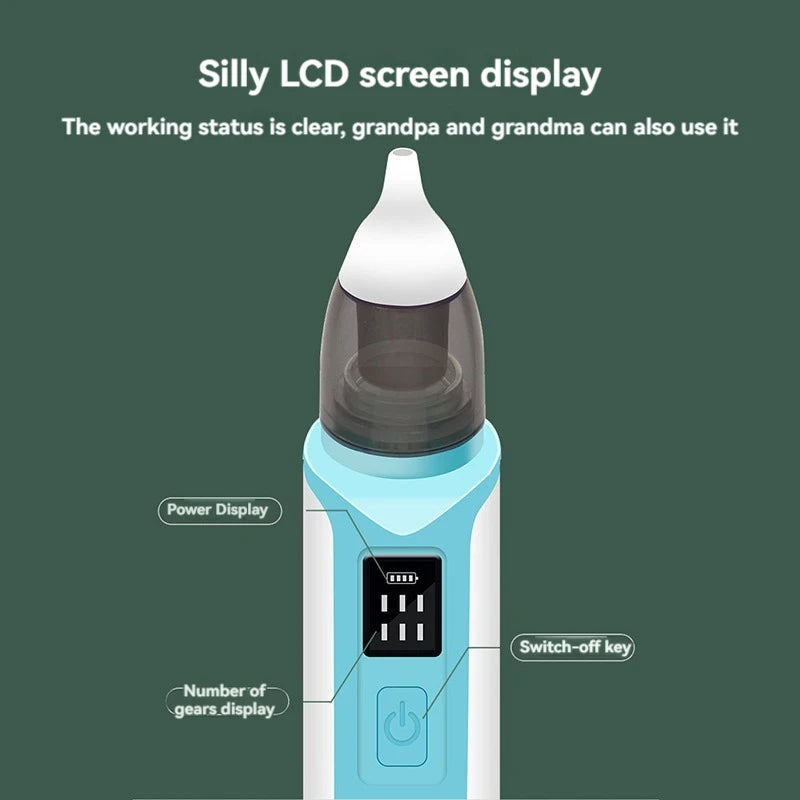
portable nasal aspirator • vacuum nasal aspirator • See it in action
When to Call Your Pediatrician
Most cases of mild newborn congestion improve with saline drops, gentle suction, and time. However, congestion accompanied by breathing difficulty or poor feeding requires prompt medical evaluation. If your instincts tell you your baby is struggling to breathe or is unusually difficult to wake, seek medical care immediately.
Warning signs
- Rapid breathing, chest retractions, or persistent flaring of the nostrils.
- Blue or gray lips, tongue, or skin.
- Difficulty feeding because your baby cannot breathe comfortably through the nose.
- Fewer wet diapers or signs of dehydration.
- Fever in a newborn or any symptoms that concern your healthcare provider.
When congestion is serious
Contact your pediatrician if congestion lasts for several days without improvement despite saline and gentle suction, if thick green mucus is accompanied by other concerning symptoms, or if your baby appears increasingly uncomfortable. Babies younger than a few months can become dehydrated quickly when congestion interferes with feeding, so early medical advice is always appropriate when symptoms worsen.
Recommended Nasal Aspirator for Home Use
If you're looking for an easy-to-use solution for routine newborn congestion relief, an electric nasal aspirator with adjustable suction, soft silicone tips, and washable components offers a balance of comfort and effectiveness. Features such as multiple suction levels, quiet operation, and simple cleaning can make regular use less stressful for both babies and caregivers.
For families ready to compare features, the Baby Electric Nasal Aspirator provides adjustable suction, reusable components, and straightforward cleaning instructions designed for everyday home use.
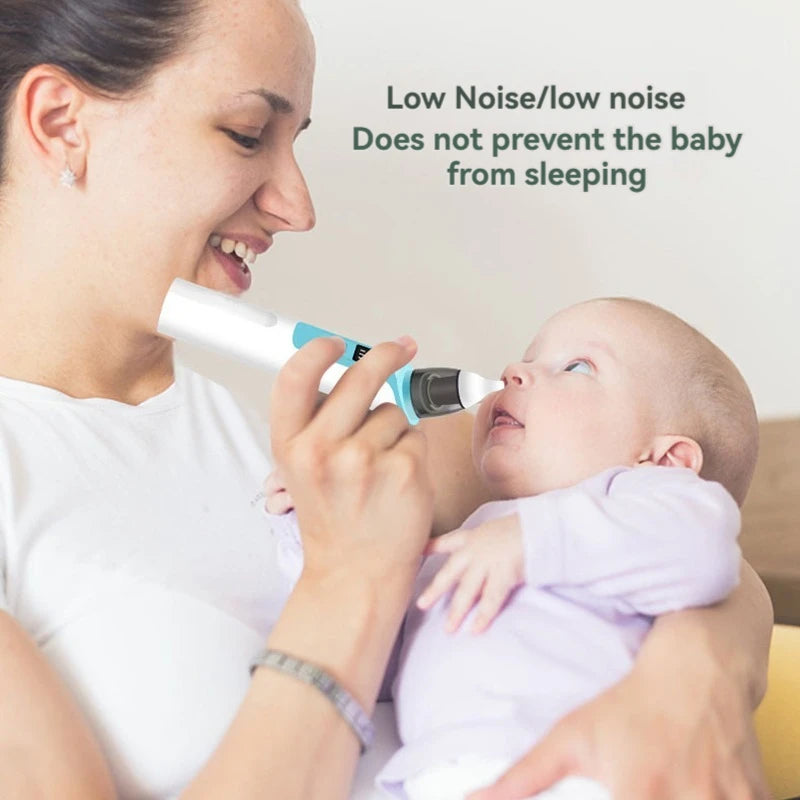
vacuum nasal aspirator • aspirator cleaning • See it in action
Frequently Asked Questions
-
Is a nasal aspirator safe for newborns?
Yes. A nasal aspirator designed for infants is safe when used according to the manufacturer's instructions. Choose a model with soft silicone tips, begin with gentle suction, and avoid inserting the tip deeply into the nostril.
-
How often can I use a nasal aspirator on my newborn?
Use it only when congestion is affecting feeding, sleeping, or comfortable breathing. Limit suction to a few gentle passes every few hours to reduce irritation, and always use saline drops first whenever possible.
-
Should I use saline before a nasal aspirator?
Yes. Saline drops soften dried mucus, making it easier to remove with less suction. Waiting about 30–60 seconds after applying saline typically improves results and helps protect delicate nasal tissue.
-
Are electric nasal aspirators better than manual ones?
Each has advantages. Manual aspirators are compact, affordable, and convenient for occasional congestion, while electric models provide more consistent suction and are often preferred for thicker mucus or frequent use.
-
How do I clean a baby nasal aspirator?
Disassemble all washable components after each use, wash them with warm soapy water, rinse thoroughly, and allow them to dry completely before reassembly. Replace filters or accessories according to the manufacturer's recommendations.
-
Can using a nasal aspirator hurt my baby's nose?
Not when it is used gently and correctly. Avoid excessive suction, deep insertion, or repeated passes after the mucus has been cleared, as these practices can irritate the nasal lining.
-
What is the best way to clear a baby's stuffy nose?
For most newborns, saline drops followed by gentle suction with a properly cleaned nasal aspirator provide effective relief. Keeping the air comfortably humid and ensuring your baby stays well hydrated may also help.
-
When should I take my congested newborn to the doctor?
Seek medical advice promptly if congestion is accompanied by fever, poor feeding, breathing difficulty, blue lips or skin, dehydration, or symptoms that continue to worsen despite supportive care.
Final Verdict
The best way to help newborn congestion is a gentle, consistent routine rather than aggressive suction. Saline drops, proper technique, and a clean, well-designed nasal aspirator can make breathing, feeding, and sleeping noticeably easier for many babies. For occasional congestion, a simple manual aspirator may be all you need, while families managing frequent stuffy noses often benefit from the convenience and consistent performance of an electric model.
Whichever option you choose, prioritize soft silicone tips, easy cleaning, and adjustable suction to keep your newborn comfortable and your device working effectively over time.
Related gear you might find useful: Health & Safety , Sterilization Devices , and Monitoring Devices .
Pillar Article: Infant Nasal Aspirators Compared: Which Ones Work Best for New Parents
Other Related Articles:
- Infant Nasal Aspirator How to Use: Best Models Reviewed for Beginners
- Newborn Blocked Nose Remedy Tools: Top Picks for Calm, Clear Breathing
- Newborn Cleaning Nose Tools Ranked: What Works Safest for Daily Use
- Infant Stuffy Nose How to Help: Top Gentle Tools Reviewed for Fast Relief
Explore More:





