

Does using gentle tools really help with an infant stuffy nose?
An infant stuffy nose can make feeding, sleeping, and settling more difficult because babies rely primarily on their noses to breathe during the first months of life. For most mild congestion, a combination of saline drops and gentle suction provides effective infant stuffy nose relief by loosening mucus and helping clear the nasal passages without exposing babies to unnecessary cold medications. Tools such as a portable nasal aspirator, vacuum nasal aspirator, or hospital nasal aspirator can be helpful when used correctly and according to the manufacturer's instructions.
If you're wondering how to safely help your baby breathe easier, you're not alone. Mild nasal congestion is common in newborns and infants, especially during colds, dry weather, or seasonal changes. This guide explains when home care is usually enough, how saline and gentle suction support infant nasal congestion relief, and how to choose and use nasal aspirators safely while protecting your baby's delicate nasal tissues.
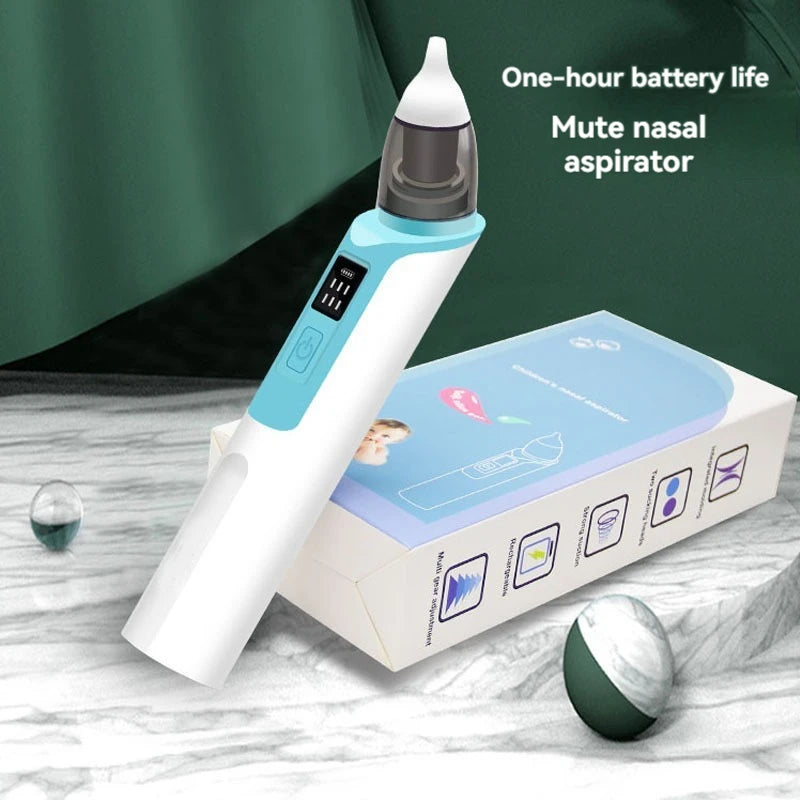
See infant blocked nose treatment in action with a gentle portable nasal aspirator.
When home care is enough
Most cases of a stuffy nose in otherwise healthy infants improve with simple home care. Saline drops help moisten and loosen thick mucus, while gentle suction removes secretions that babies cannot clear on their own. Clearing the nose before feedings or bedtime may make eating and sleeping more comfortable. However, if your baby has difficulty breathing, develops a fever appropriate for their age, refuses multiple feedings, or appears unusually sleepy, contact a healthcare professional rather than relying on home treatment alone.
How saline and suction work
Saline does not contain medication. Instead, it softens dried mucus so it can be removed more easily with gentle suction. A nasal aspirator should create enough suction to remove mucus without irritating the lining of the nose. Using saline first, limiting suction to only when needed, and avoiding repeated aggressive suction can help reduce irritation while providing an effective infant stuffy nose remedy.
Why Nasal Aspirators Matter for Newborns
Newborns are primarily nose breathers, so even a small amount of congestion can interfere with feeding, sleeping, and overall comfort. Nasal aspirators do not treat the underlying cause of congestion, but they can safely remove excess mucus to make breathing easier. Used together with saline drops, devices such as a portable nasal aspirator or a hospital nasal aspirator can support short-term relief while helping reduce feeding difficulties and nighttime fussiness. Gentle technique and proper cleaning are essential for safe, effective use.
Top Gentle Tools for Infant Congestion
Different suction devices are designed for different situations. The best choice depends on your baby's age, the severity of congestion, how often you expect to use the device, and your comfort with the cleaning process.
| Tool | Best For | Advantages | Things to Consider |
|---|---|---|---|
| Portable Nasal Aspirator | Routine home use and travel | Gentle suction, portable, quiet, easy to clean | Requires charging or batteries depending on the model |
| Vacuum Nasal Aspirator | Parents who want adjustable suction | Consistent suction with replaceable filters on many models | May require additional setup and familiarity before first use |
| Hospital Nasal Aspirator | Clinical settings and supervised care | Designed for controlled suction and high hygiene standards | Typically intended for healthcare environments rather than everyday home use |
Key benefits of gentle suction
- Helps remove mucus that babies cannot blow out themselves.
- May improve comfort before feeding or sleeping.
- Supports easier breathing without relying on unnecessary medications.
- Works best when combined with saline drops to loosen thick mucus.
Portable vs. Hospital Nasal Aspirators
Both portable and hospital nasal aspirators are designed to remove mucus safely, but they are intended for different settings. For most healthy infants with mild congestion, a portable nasal aspirator offers enough suction for effective home care while remaining convenient for daily use. Hospital nasal aspirators are designed for medical environments where trained professionals can provide controlled suction when clinically appropriate.
Manual vs. electric options
Portable nasal aspirators are available in both manual and electric versions. Manual models give caregivers direct control over suction strength, while electric models provide more consistent suction with less effort. Either option can be effective when used gently and according to the manufacturer's instructions. The most important factor is proper technique rather than maximum suction power.
A hospital nasal aspirator is generally reserved for healthcare settings, newborn nurseries, or situations where a clinician determines that supervised suction is appropriate. Parents should not assume that stronger suction produces better results. For routine infant congestion caused by a common cold or dry air, gentle home care with saline and an appropriate portable nasal aspirator is usually sufficient.
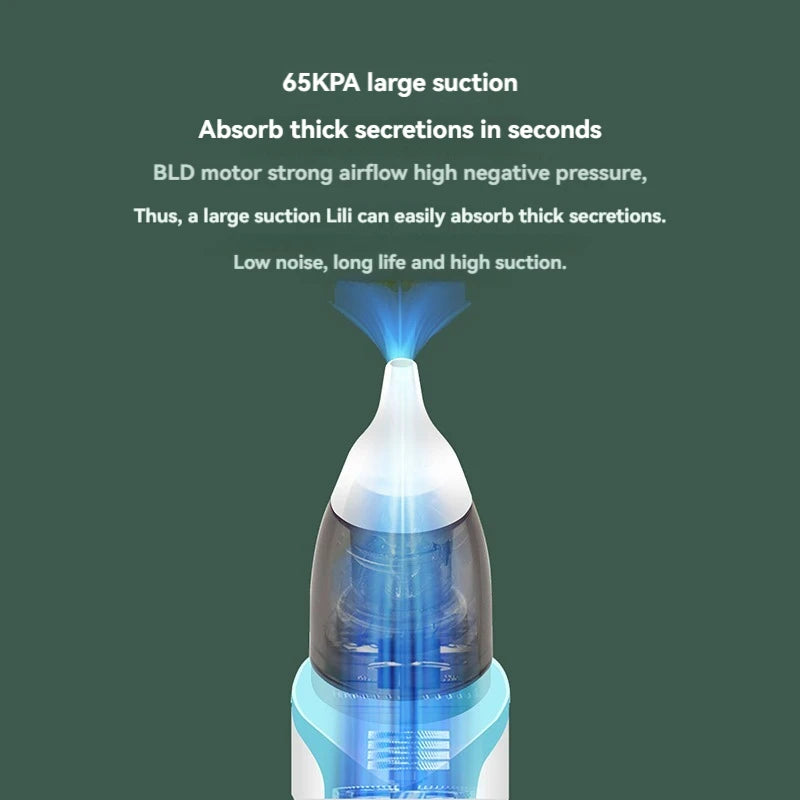
Compare different nasal aspirator designs to understand which option best fits your baby's needs.
How to Use Nasal Aspirators Safely
Using a nasal aspirator correctly can improve infant blocked nose treatment while reducing the risk of irritation. Gentle suction, good hygiene, and proper positioning are more important than using the strongest suction setting.
Prepare your baby
- Wash your hands thoroughly before handling the aspirator.
- If recommended by your healthcare provider, place one or two saline drops into each nostril to loosen thick mucus.
- Hold your baby in a comfortable, slightly upright position with the head well supported.
- Have tissues or a clean cloth nearby to wipe away loosened mucus.
Correct suction technique
- Place the soft tip just inside the nostril without pushing it deeply into the nose.
- Apply gentle, controlled suction according to the manufacturer's instructions.
- Clear one nostril at a time and allow your baby a brief pause between passes.
- Repeat only if necessary after additional saline, avoiding excessive suction.
- Clean the device immediately after use to help prevent bacterial growth.
Mistakes to avoid
- Do not insert the tip forcefully or too far into the nostril.
- Avoid repeated suction if little or no mucus is present, as this can irritate delicate nasal tissue.
- Do not share nasal aspirators between children unless every reusable part has been properly sanitized.
- Stop if your baby becomes extremely distressed or if you notice bleeding, and seek medical advice if symptoms persist.
Cleaning and Caring for Nasal Aspirators
Proper cleaning helps maintain suction performance and reduces the risk of contamination. Always follow the manufacturer's care instructions, as cleaning methods may vary by device.
After each use
- Disassemble all removable parts.
- Wash components with warm water and mild soap unless otherwise directed.
- Rinse thoroughly to remove any soap residue.
- Allow every part to air dry completely before reassembling.
- Store the aspirator in a clean, dry container away from dust and moisture.
Replacing worn parts
- Inspect silicone tips, seals, and filters regularly for signs of wear.
- Replace disposable filters after use if required by the manufacturer.
- Replace cracked, damaged, or discolored components promptly to maintain hygiene and effective suction.
- Use only compatible replacement parts recommended for your specific device.
Frequently Asked Questions
What is the best way to clear a baby's stuffy nose?
For most infants, the safest approach is to place a few saline drops into each nostril, wait briefly for the mucus to soften, and then use a clean nasal aspirator with gentle suction. Clearing the nose before feedings and bedtime often provides the greatest comfort.
How do I help an infant with a stuffy nose at night?
Use saline and gentle suction before bedtime if needed, keep your baby's sleep environment smoke-free, and maintain a comfortable room humidity if recommended by your pediatrician. Always place your baby on their back to sleep on a firm, flat mattress, even when they have nasal congestion.
Can I use a nasal aspirator every day?
Yes, a nasal aspirator can be used when necessary, provided it is cleaned thoroughly after each use and gentle suction is used. Avoid excessive or repeated suction if little mucus is present, as this may irritate the delicate lining of the nose.
How long does infant nasal congestion usually last?
Mild congestion caused by dry air or a common cold often improves within several days to about one week, although cold symptoms may occasionally last longer. If congestion persists, worsens, or interferes significantly with feeding or breathing, contact your child's healthcare provider.
When is a stuffy nose an emergency in a newborn?
Seek immediate medical attention if your newborn has difficulty breathing, bluish lips or skin, repeated pauses in breathing, severe feeding problems, signs of dehydration, or develops a fever that requires urgent evaluation based on their age. Trust your instincts and seek medical care if your baby appears seriously unwell.
Do babies need medicine for nasal congestion?
Most infants do not need over-the-counter cold medicines for routine nasal congestion. Supportive care, including saline drops, gentle suction, adequate fluids, and monitoring, is usually recommended. Always consult your pediatrician before giving any medication to an infant.
Where can I find accessories for baby nasal care?
Check Baby Hygiene Gadgets and Health & Safety collections for nasal care products and additional infant health resources.
Pillar Article: Infant Nasal Aspirators Compared: Which Ones Work Best for New Parents
Other Related Articles:
- Infant Nasal Aspirator How to Use: Best Models Reviewed for Beginners
- How to Help Newborn Congestion: Best Reviewed Aspirators for Faster Relief
- Newborn Blocked Nose Remedy Tools: Top Picks for Calm, Clear Breathing
- Newborn Cleaning Nose Tools Ranked: What Works Safest for Daily Use
Explore More:





