

Does newborn cleaning nose really help clear congestion safely?
Answer: Yes. Newborn cleaning nose tools can safely clear nasal mucus, improve breathing, and make feeding and sleep more comfortable when used correctly. Most pediatric guidance recommends loosening mucus with saline drops first, then using gentle, controlled suction with a newborn-safe bulb syringe, manual nasal aspirator, or electric nose cleaner. Avoid excessive suction and always clean the device thoroughly after every use.
Newborn Cleaning Nose Tools Ranked: What Works Safest for Daily Use
Choosing the right newborn cleaning nose tool can make daily congestion care easier while protecting your baby's delicate nasal passages. This guide compares traditional bulb syringes, manual nasal aspirators, and electric nose cleaners, explains when each option works best, and shows how proper cleaning and gentle suction help reduce irritation. You'll also learn which features matter most for safety, hygiene, and everyday convenience.
⏱ 8 min read
Why parents look for a bulb syringe alternative
Newborns breathe primarily through their noses during the first months of life, so even mild congestion can make feeding, sleeping, and settling more difficult. While bulb syringes have been used for decades, many caregivers now look for an alternative to a bulb syringe because they want easier cleaning, more consistent suction, and better control during mucus removal.
A newborn nasal aspirator does not need to provide stronger suction to work well. In most cases, saline drops followed by gentle suction remove softened mucus effectively while reducing irritation to sensitive nasal tissue. Choosing a device that is easy to clean after every use is just as important as choosing one with appropriate suction.
Learn gentle options that fit into calm, safe routines.
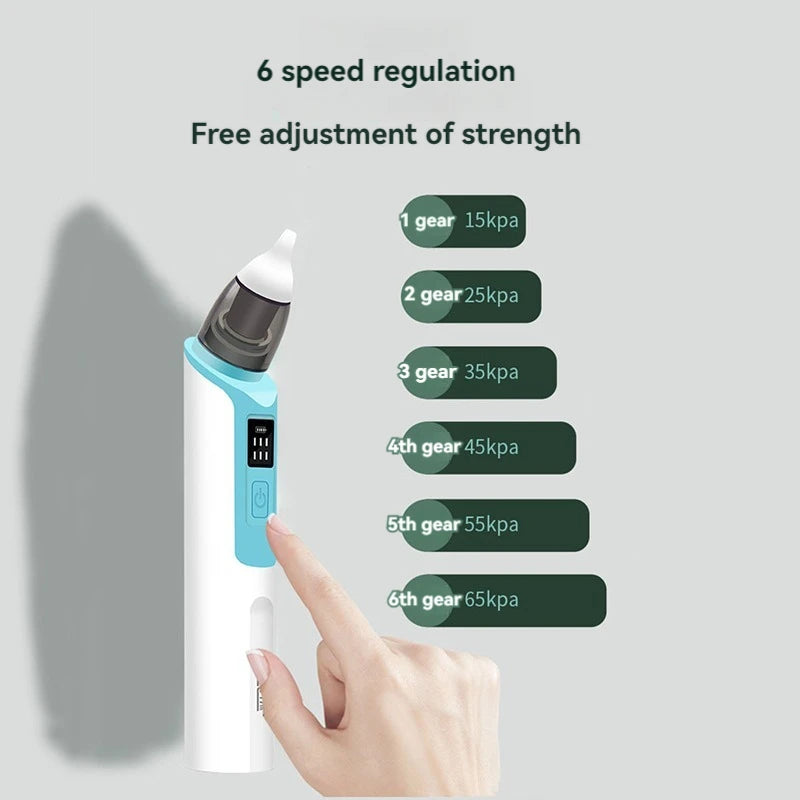
newborn cleaning nose, suctioning newborn with bulb syringe — See it in action
Bulb syringe alternatives compared: Which option is right for your baby?
The best alternative to a bulb syringe depends on how often your baby experiences congestion, how much control you want during suction, and how easy the device is to clean. Manual nasal aspirators provide excellent control for most families, oral suction aspirators offer caregiver-controlled suction without batteries, and electric nose cleaners deliver consistent suction for frequent congestion. Saline drops are recommended before any suction device because they loosen mucus and make removal gentler.
At a glance
- Bulb syringe: Simple, inexpensive, portable, and suitable for occasional mild congestion.
- Manual nasal aspirator: Better suction control, removable components, and easier cleaning than many traditional bulb syringes.
- Oral suction nasal aspirator: Caregiver controls suction precisely through a filtered mouthpiece, making it popular for stubborn mucus.
- Electric nose cleaner: Adjustable suction, washable collection chambers, and convenient for babies with frequent congestion.
- Saline drops or spray: Softens dried mucus before suction and should be considered part of any safe newborn nasal care routine.
How a bulb syringe compares with modern nasal aspirators
A traditional bulb syringe remains a practical choice for occasional newborn nasal care, especially when congestion is mild and mucus has already been softened with saline. However, newer newborn nasal aspirators provide greater control, easier cleaning, and more consistent suction, making them a better long-term option for many families.
Bulb syringe
Bulb syringes create suction when the soft bulb is squeezed before placing the tip at the entrance of the nostril and then slowly released. Because suction strength depends entirely on hand pressure, results can vary from one use to the next.
- Suitable for light congestion and occasional use.
- Compact, inexpensive, and requires no batteries.
- Works best after saline drops loosen dried mucus.
- Interior can be difficult to clean and dry completely.
- Less effective for thick or sticky mucus.
Manual nasal aspirator: Better control for everyday care
Manual nasal aspirators are a popular bulb syringe alternative for newborns because they provide more predictable suction while remaining simple to use. Many designs include detachable components and soft silicone tips that fit comfortably at the entrance of the nostril without inserting deeply.
Manual suction
Unlike a traditional bulb syringe, manual aspirators allow caregivers to control suction more precisely. Removable parts also simplify washing, drying, and sterilization, reducing the likelihood of trapped moisture.
- More consistent suction than many bulb syringes.
- Soft newborn-sized silicone tips improve comfort.
- Removable parts are easier to wash and inspect.
- Suitable for regular home use.
- Compact enough for travel and diaper bags.
Oral suction nasal aspirator
Another widely used alternative is an oral suction nasal aspirator. These devices use a filtered mouthpiece that lets the caregiver control suction directly. Disposable or replaceable filters help prevent mucus from reaching the user, while steady suction can be particularly helpful for thicker nasal secretions.
- Excellent caregiver control.
- Effective for stubborn mucus after saline treatment.
- Typically easy to disassemble and clean.
- Does not require batteries or charging.
Electric nasal aspirator: Consistent suction for frequent congestion
Electric nasal aspirators are designed for families who need a baby nose suction device more frequently. Adjustable suction settings, washable collection chambers, and one-touch operation make them convenient for routine congestion care while helping maintain consistent performance.
An electric nose cleaner baby device delivers steady, adjustable suction that removes loosened mucus with minimal effort. When paired with saline drops and used according to the manufacturer's instructions, it can simplify frequent newborn nasal care while reducing direct contact with nasal secretions.
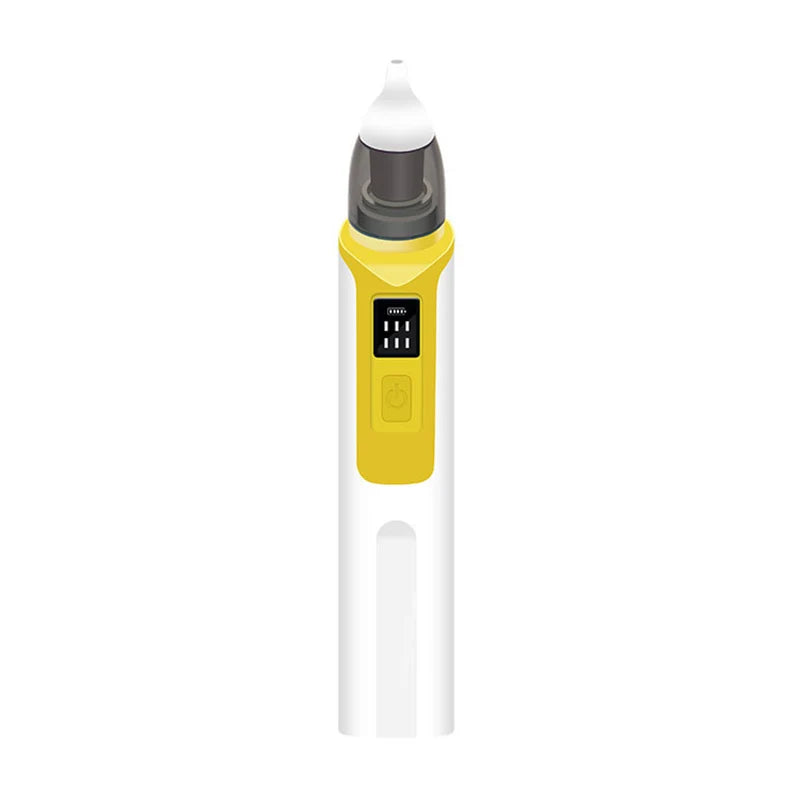
nasal aspirator syringe, electric nose cleaner — See it in action
Electric suction
- Adjustable suction levels for different amounts of congestion.
- Washable collection chambers improve hygiene.
- Helpful for babies with recurring nasal congestion.
- Requires charging or batteries depending on the model.
- Filters and wearable components should be replaced as recommended by the manufacturer.
When an electric aspirator is a good choice
- Congestion occurs frequently or during seasonal illnesses.
- Caregivers prefer consistent suction without repeated squeezing.
- Easy cleaning and removable collection chambers are a priority.
- Several caregivers will be using the same device and value simple maintenance.
How to clean and maintain a newborn nasal aspirator safely
Cleaning your newborn nasal aspirator after every use helps reduce bacterial growth, prevents mold, and keeps suction working effectively. Always follow the manufacturer's care instructions, especially for electric models with removable filters or electronic components.
Cleaning after every use
- Disassemble all removable parts immediately after suctioning.
- Rinse away mucus with warm running water before it dries.
- Wash washable components using mild dish soap and a soft cleaning brush if needed.
- Rinse thoroughly to remove all soap residue.
- For manual aspirators and silicone tips, sterilize by boiling for 3–5 minutes only if the manufacturer recommends it.
- For electric nasal aspirators, wash only the removable collection cup and silicone tip. Replace filters according to the manufacturer's instructions and never immerse the motor unit in water.
Drying and storing components
Allow every part to air-dry completely before reassembly. Moisture trapped inside tubing or collection chambers can encourage mold and bacteria. Store the device in a clean, dry container reserved for baby hygiene items.
When to replace parts
- Replace silicone tips that become cracked, discolored, or damaged.
- Replace filters whenever recommended by the manufacturer or after visible contamination.
- Discard bulb syringes if they develop persistent odors, mold, or cannot be cleaned thoroughly.
Pro tip
Keep a dedicated drying tray for nasal care tools to reduce cross-contamination with bottles, pacifiers, bath toys, or feeding accessories. See related picks at Baby Hygiene Gadgets .
How to clean a newborn's nose safely: Step-by-step
Loosen mucus with saline
Place 1–2 drops of sterile saline into each nostril and wait about 30–60 seconds. Saline softens thick mucus so less suction is needed, helping protect delicate nasal tissue.
Position your newborn safely
- Hold your baby slightly upright or in a supported semi-reclined position.
- Support the head gently without forcing the neck backward.
- Keep your baby calm and avoid suctioning while crying intensely whenever possible.
Use gentle suction
- Insert only the soft tip at the entrance of the nostril—never deeply into the nose.
- Use the lowest effective suction, whether manual or electric.
- Limit suction to 2–3 short attempts per nostril to minimize irritation.
Stop when breathing improves
Once your baby is breathing comfortably enough to feed or sleep, stop suctioning. Repeated or forceful suction provides little additional benefit and may irritate the nasal lining.
Objective comparison: newborn nasal suction devices
| Device | Best for | Suction control | Cleaning | Portability |
|---|---|---|---|---|
| Bulb syringe | Occasional mild congestion | Basic manual control | Most difficult to dry completely | Excellent |
| Manual nasal aspirator syringe | Regular home use | Good precision | Easy to disassemble and sterilize | Very good |
| Electric nose cleaner | Frequent or persistent congestion | Consistent adjustable suction | Wash removable parts and replace filters | Good |
Quick verdict
For most families, a manual nasal aspirator offers the best balance of gentle suction, easy cleaning, and everyday practicality. A bulb syringe remains useful for occasional travel, while an electric nose cleaner is often the most convenient choice for babies with frequent congestion or parents who prefer consistent suction.
Buying checklist: choose the right newborn cleaning nose tool
When selecting a newborn nasal aspirator or other baby nose suction device, focus on safety, hygiene, and ease of use rather than suction power alone. The best option is one that lets you clear mucus gently while remaining simple to clean after every use.
- Choose soft, newborn-sized silicone tips that fit comfortably without inserting deeply into the nostril.
- Look for removable parts that can be thoroughly washed and dried after each use.
- Select gentle or adjustable suction to minimize irritation to delicate nasal tissue.
- For electric models, check that replacement filters and accessories are readily available.
- Consider battery life, charging method, and portability if you'll use the device while traveling.
- Review the manufacturer's cleaning and maintenance instructions before purchasing.
- Avoid devices with hard plastic tips or components that cannot be cleaned completely.
Compare related picks and hygiene accessories at Baby Hygiene Gadgets and find travel-ready options in Baby Bath Accessories .
A simple checklist makes it easier to compare features, cleaning requirements, and newborn-friendly designs.
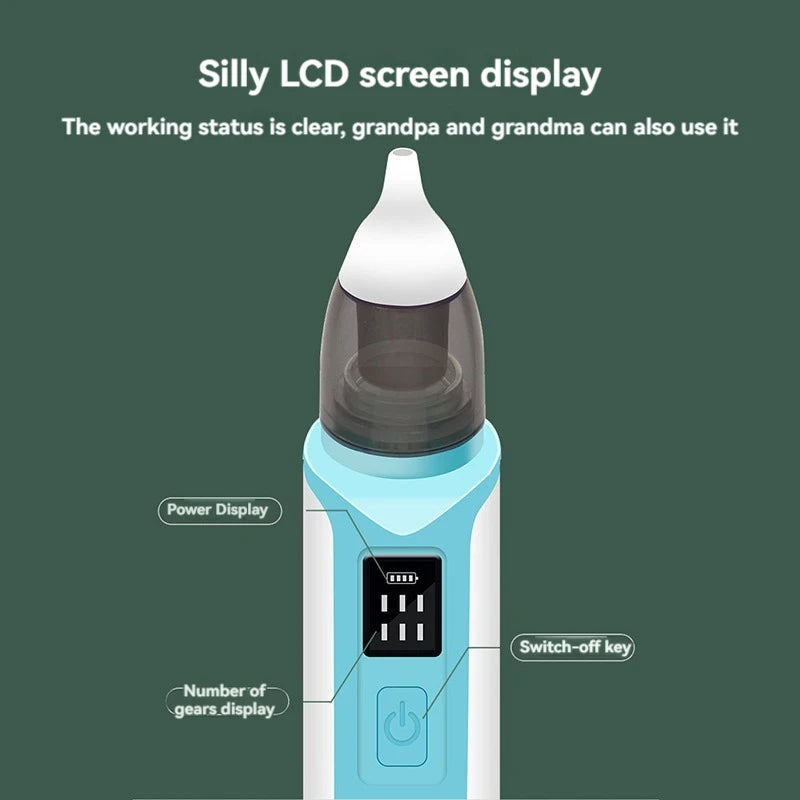
aspirator cleaning, electric nose cleaner — See it in action
If you're looking for a reusable device designed for frequent congestion care, you can view our approved option here: Get the electric nasal aspirator .
Safety takeaway: when gentle home care is enough—and when to call the pediatrician
Most newborn congestion improves with saline, gentle suction, and good cleaning practices. Avoid over-suctioning, as repeated or forceful attempts may irritate the nasal lining without providing additional benefit.
- Seek medical advice if your newborn has persistent breathing difficulty, chest retractions, or lips that appear blue.
- Contact your pediatrician if congestion interferes with feeding, causes fewer wet diapers, or is accompanied by poor weight gain.
- Newborns with fever or unusual sleepiness should receive prompt medical evaluation.
- If congestion lasts several days, keeps returning, or is associated with thick mucus that doesn't improve after saline and gentle suction, consult your healthcare provider.
Continue prioritizing soft tips, proper aspirator cleaning, and newborn-safe suction techniques. For additional safety resources, explore Monitoring Devices and Health & Safety .
Explore the Electric Nasal Aspirator for adjustable suction, washable components, and everyday newborn congestion care.
Frequently asked questions about newborn nasal aspirators and bulb syringe alternatives
1. What can I use instead of a bulb syringe for a newborn?
A manual nasal aspirator, an oral suction aspirator, or an electric nasal aspirator are common alternatives to a bulb syringe. Many caregivers also use sterile saline drops before suction to loosen mucus, allowing gentler removal with less pressure.
2. Is a nasal aspirator better than a bulb syringe?
It depends on your needs. A bulb syringe is inexpensive and convenient for occasional congestion, while many manual and electric newborn nasal aspirators provide better suction control, are easier to clean thoroughly, and perform better when mucus is thicker.
3. What is the best nasal aspirator for a newborn?
The best newborn nasal aspirator has soft newborn-sized silicone tips, gentle or adjustable suction, removable washable parts, and clear cleaning instructions. If your baby experiences frequent congestion, an electric model may provide greater consistency and convenience than a traditional bulb syringe.
4. How often can I suction my newborn's nose?
Use nasal suction only when congestion makes feeding, sleeping, or comfortable breathing more difficult. For most babies, suctioning before feeds or bedtime is sufficient. Keep each session brief and avoid repeated suctioning, which may irritate the delicate lining of the nose.
5. Can I use saline drops before nasal suction?
Yes. A few drops of sterile saline help soften dried mucus and often make suction more effective while reducing the amount of suction needed. Wait about 30 to 60 seconds after applying saline before using the aspirator.
6. Are electric nasal aspirators safe for newborns?
Yes, when they are designed for newborns, fitted with the correct tip size, and used on the lowest effective suction setting. Follow the manufacturer's instructions carefully and stop if your baby becomes distressed or nasal irritation develops.
7. How do I clean a newborn's nose safely?
Begin with sterile saline if needed, support your baby's head comfortably, and gently remove mucus from the entrance of the nostril without inserting the tip deeply. Afterward, clean the aspirator thoroughly with warm water and mild soap, allow all parts to dry completely, and replace worn components according to the manufacturer's recommendations.
8. When should I call a doctor for newborn congestion?
Seek medical care if your newborn has difficulty breathing, refuses multiple feeds, develops a fever, appears unusually sleepy, has fewer wet diapers, or if congestion persists or worsens despite gentle home care. Newborns can become dehydrated quickly, so persistent feeding problems should always be evaluated promptly.
Pillar Article: Infant Nasal Aspirators Compared: Which Ones Work Best for New Parents
Other Related Articles:
- Infant Nasal Aspirator How to Use: Best Models Reviewed for Beginners
- How to Help Newborn Congestion: Best Reviewed Aspirators for Faster Relief
- Newborn Blocked Nose Remedy Tools: Top Picks for Calm, Clear Breathing
- Infant Stuffy Nose How to Help: Top Gentle Tools Reviewed for Fast Relief
Explore More:





