

Infants Musical Toys: 15 Expert Picks for Newborns
15 Best Infants Musical Toys for 0–12 Months (Parent-Tested Picks)
Music plays a powerful role in early childhood development. During the first year of life, babies rapidly build neural connections as they explore sounds, rhythm, and movement. The right infants musical toys can gently stimulate auditory development, encourage sensory exploration, and help babies begin understanding cause-and-effect relationships.
However, not all musical toys are ideal for infants. The best options combine soft sounds, safe materials, and simple interactions that match developmental stages. In this guide, we’ve curated the best musical toys for infants aged 0–12 months, organized by age group to help parents choose toys that support learning without overwhelming sensitive baby hearing.
You’ll also learn how musical play supports cognitive development, what safety features matter most, and which toys offer the best balance of entertainment and early learning.
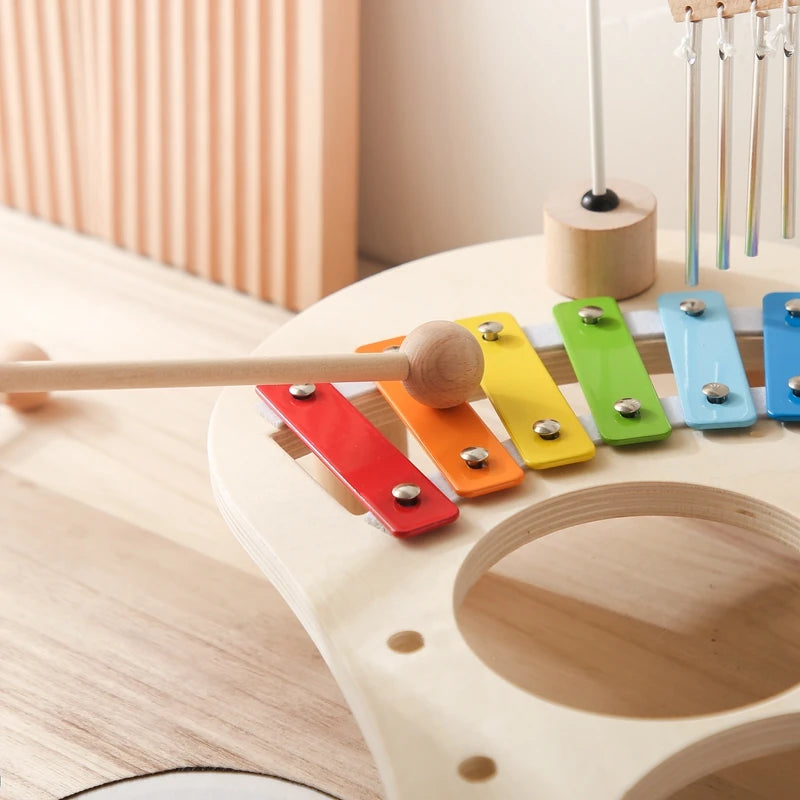
Why Musical Toys Matter for Infant Development
How Music Supports Infant Sensory Development
From birth, babies begin processing sound patterns, voices, and environmental noise. Musical toys introduce controlled auditory stimulation that helps babies develop sound recognition and directional hearing.
Gentle rattles, chimes, and xylophones allow infants to experiment with different tones and rhythms. This sensory play strengthens auditory pathways and builds the foundation for language and communication skills.
Early Childhood Music Exposure and Brain Growth
Studies in early childhood development show that music activates multiple areas of the brain simultaneously. When infants listen to or create sounds with toys, their brains process rhythm, pitch, movement, and emotional cues at the same time.
This multi-sensory engagement helps support:
- Early cognitive development
- Pattern recognition
- Language readiness
- Memory formation
Even simple musical interactions—like tapping a toy drum or shaking a rattle—can strengthen these neural connections.
Motor Skills and Cause-and-Effect Learning Through Musical Play
Musical toys also encourage babies to explore movement. When a baby shakes a toy and hears a sound, they begin understanding cause and effect. This is one of the earliest learning milestones.
Activities like tapping, pressing buttons, or striking a xylophone help develop:
- Hand-eye coordination
- Fine motor control
- Grip strength
- Intentional movement
For parents looking for developmental toys, many options in the Baby Growth & Learning collection emphasize these foundational skills.
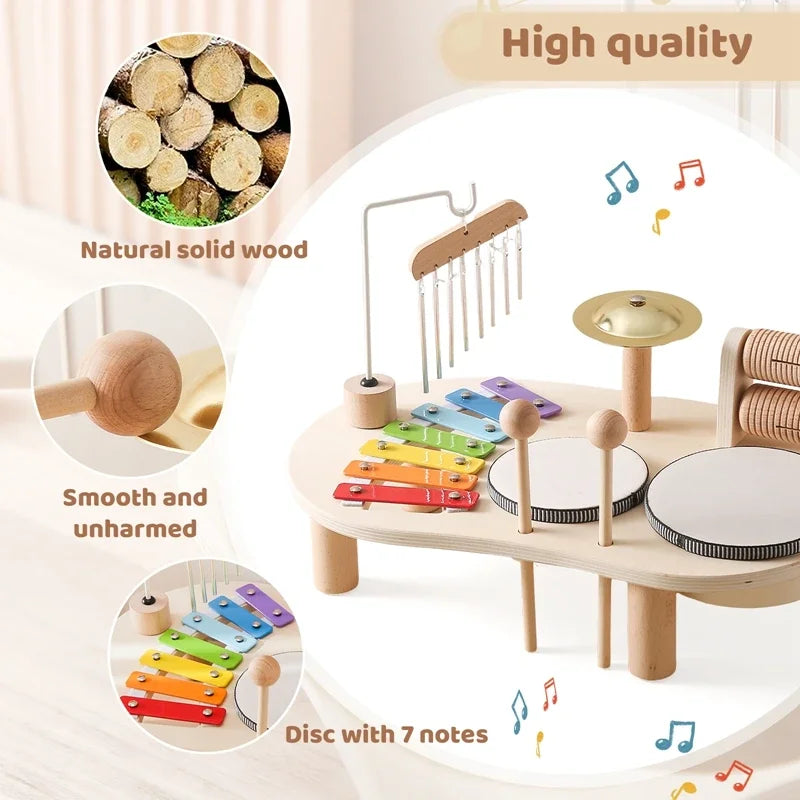
Quick Comparison: Best Musical Toys for Infants
| Toy | Best Age | Type | Key Benefit |
| Soft Musical Rattle | 0–3 months | Rattle | Gentle auditory stimulation |
| Crib Musical Mobile | 0–3 months | Mobile | Visual tracking and calming sounds |
| Baby Drum Pad | 3–6 months | Interactive toy | Cause-and-effect learning |
| Shake-and-Play Maracas | 3–6 months | Handheld instrument | Grip and coordination |
| Mini Baby Piano | 6–12 months | Interactive instrument | Rhythm exploration |
| Wooden Baby Xylophone | 6–12 months | Montessori instrument | Early musical creativity |
If you're exploring developmental toys that combine music and sensory learning, browsing curated options in the Sensory Toys collection can help you discover age-appropriate designs.
Best Musical Toys for Newborns (0–3 Months)
Soft Rattles and Gentle Sound Toys
Newborns have extremely sensitive hearing, so toys with soft sounds are best during the first few months.
Top picks include:
- Plush musical rattles
- Fabric crinkle toys
- Soft bell toys
Pros
- Very gentle sound levels
- Lightweight for tiny hands
- Encourage early sensory exploration
Cons
- Limited interaction
- Short developmental lifespan
Musical Crib and Tummy Time Toys
At this stage, babies primarily interact with toys visually and through listening. Musical mobiles and tummy-time mats can introduce rhythm while encouraging visual tracking.
These toys help babies stay engaged longer during early developmental activities like tummy time.
Best Musical Toys for Babies 3–6 Months
Shake-and-Play Musical Toys
Between three and six months, babies begin grasping and shaking objects intentionally. This is the perfect time for toys that produce sound when moved.
Recommended options:
- Baby maracas
- Rolling musical balls
- Light-up drum pads
Pros
- Encourage movement and coordination
- Reinforce cause-and-effect learning
- Often brightly colored for visual stimulation
Cons
- Electronic toys may be louder
- Batteries required in some models
Soft Instruments Designed for Infants
Some beginner instruments are specifically designed for babies. These include padded drums or soft xylophones that allow safe tapping without hard edges.
Parents often combine musical toys with developmental routines like play sessions after feeding. You can also find useful parent resources in the Baby Growth & Learning Tips blog for structured play ideas.
Best Musical Toys for Babies 6–12 Months
Interactive Baby Instruments
By six months, babies become more curious about manipulating objects. They enjoy toys that respond to tapping, pressing, or shaking.
Popular choices include:
- Mini baby pianos
- Drum pads
- Musical activity cubes
- Push-button sound toys
Pros
- Highly interactive
- Encourage rhythm exploration
- Build motor coordination
Cons
- Some electronic toys can be overstimulating
- Higher volume levels in cheaper models
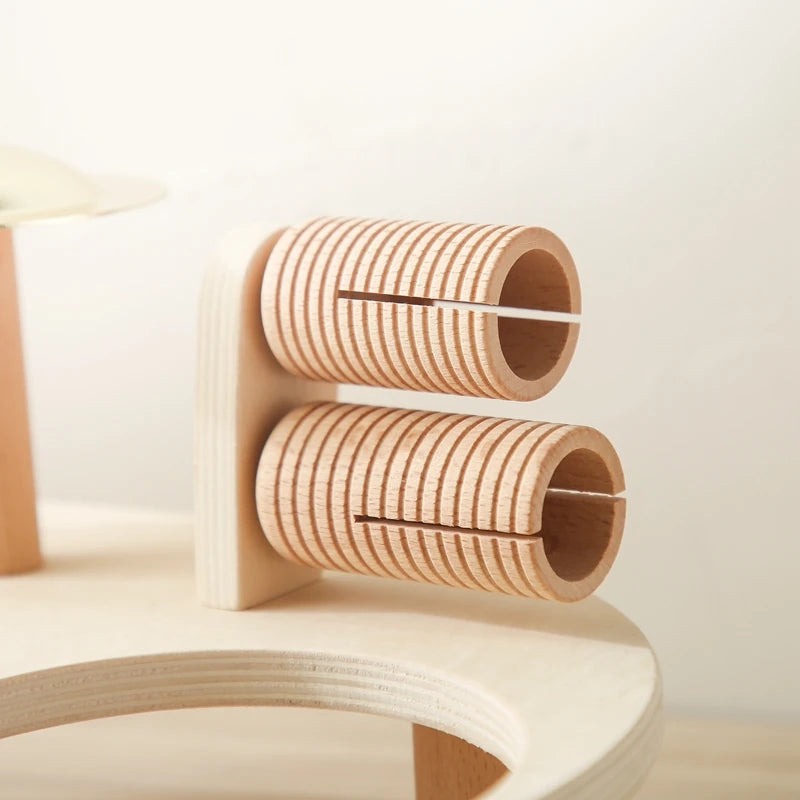
Montessori-Inspired Wooden Musical Baby Toys
Many parents prefer quieter, Montessori-style toys made from natural materials. These toys focus on simple sound discovery rather than flashing lights or loud electronic music.
One popular example is the Wooden Baby Xylophone Toy – Montessori Musical Learning.
This wooden instrument introduces babies to rhythm through tapping colorful bars with a mallet. Because it uses natural acoustic sound instead of electronics, it creates a calmer play experience.
Pros
- Montessori-inspired sensory learning
- Natural wood construction
- Encourages creativity and rhythm
- Supports hand-eye coordination
Cons
- Requires supervision for younger babies
- Less flashy than electronic toys
Parents often choose Montessori-style toys when building a balanced developmental environment alongside other products from the Baby Care Essentials collection.
How to Choose Safe Musical Toys for Infants
Safe Volume Levels for Infant Musical Toys
Baby hearing is highly sensitive. Experts generally recommend that toys stay below 85 decibels when held close to the ear.
Look for toys that:
- Produce soft acoustic sounds
- Offer adjustable volume settings
- Avoid sudden loud effects
Baby-Safe Toy Materials to Look For
Safety is critical when babies explore toys with their mouths.
Look for:
- BPA-free plastics
- Non-toxic paint
- Rounded edges
- ASTM and CPSC compliant designs
Wooden toys are especially popular because they are durable and typically contain fewer synthetic materials.
Wooden vs Plastic Musical Toys
Both materials can be safe when manufactured properly, but they offer different play experiences.
- Wooden toys: quieter, durable, Montessori-friendly
- Plastic toys: more interactive, often include lights or electronics
Many parents combine both types to create a varied play environment.
How Parents Can Use Musical Toys for Learning and Bonding
Music Play During Tummy Time
Tummy time can be challenging for babies. Musical toys placed in front of babies encourage them to lift their heads and stay engaged longer.
Soft rattles or small instruments placed within reach make tummy time more interactive.
Interactive Music Games for Infants
Simple musical play helps strengthen bonding between parents and babies.
Try these activities:
- Tap rhythms and encourage baby to mimic sounds
- Shake rattles during nursery rhymes
- Let babies explore instruments during floor play
- Play gentle call-and-response sound games
Combining musical toys with calming environments—like those found in the Sleep & Comfort collection—can also help babies wind down after play.
Final Thoughts: Choosing the Best Infants Musical Toys
The best infants musical toys support development while keeping play gentle and engaging. Babies don’t need complicated electronic toys to enjoy music—simple instruments, rattles, and Montessori-style designs often provide the most meaningful learning experiences.
When choosing a musical toy, focus on three essentials:
- Safe sound levels
- Baby-friendly materials
- Age-appropriate interaction
If you’re looking for a toy that combines creativity, sensory exploration, and safe design, the Wooden Baby Xylophone Toy is a gentle introduction to rhythm and musical discovery for growing babies.
Related Articles:
- Best Percussion Xylophone Instrument Toys for Kids: Complete Buyer’s Guide
- Best Wooden Musical Instrument Toys for Babies & Toddlers (2026 Parent Guide)
- Best Wooden Instrument Toys for Kids: Age-Based Picks & Buying Guide
- Wooden Baby Xylophone Toy: Safe Musical Learning for Infants
- Best Sensory Musical Toy for Babies by Age (0–12 Months)
- Toys That Develop Motor Skills: Best Picks by Age and Play Type
- Best Infant Learning Toys by Age: Sensory Development Guide (0–12 Months)
- Best Educational Toys for Infants by Age (0–12 Months): A Developmental Toy Guide
- 12 Toys That Improve Fine Motor Skills by Age (Therapist-Backed Guide)





