

Math hands on activities for preschoolers: Easy step-by-step guide
What are the best math hands on activities for preschoolers?
Math hands on activities for preschoolers help children understand numbers by touching, moving, and playing. Using simple objects like fingers, toys, and everyday items improves number recognition skills, builds counting confidence, and makes early math fun, engaging, and easier to learn without relying on worksheets.
Math hands on activities for preschoolers: Easy step-by-step guide
Preschool number recognition activities can feel overwhelming when your child keeps mixing up numbers, but the right approach changes everything. Many parents face kids confusion with number recognition skills without realizing simple, playful tweaks can fix it fast. This guide shows how to improve number recognition through play-based learning using the best ways to teach preschool math at home—no stress, no worksheets overload. Ready to turn everyday moments into powerful learning wins?
⏱ 7 min read
Ever wonder why your child can count to 10… but still doesn’t recognize the numbers? You’re not alone. Many parents face this exact frustration. The good news? The solution isn’t more practice—it’s better methods.
👉 Discover the safest toys for your baby
Explore hands-on learning tools designed to make counting easier and more fun.
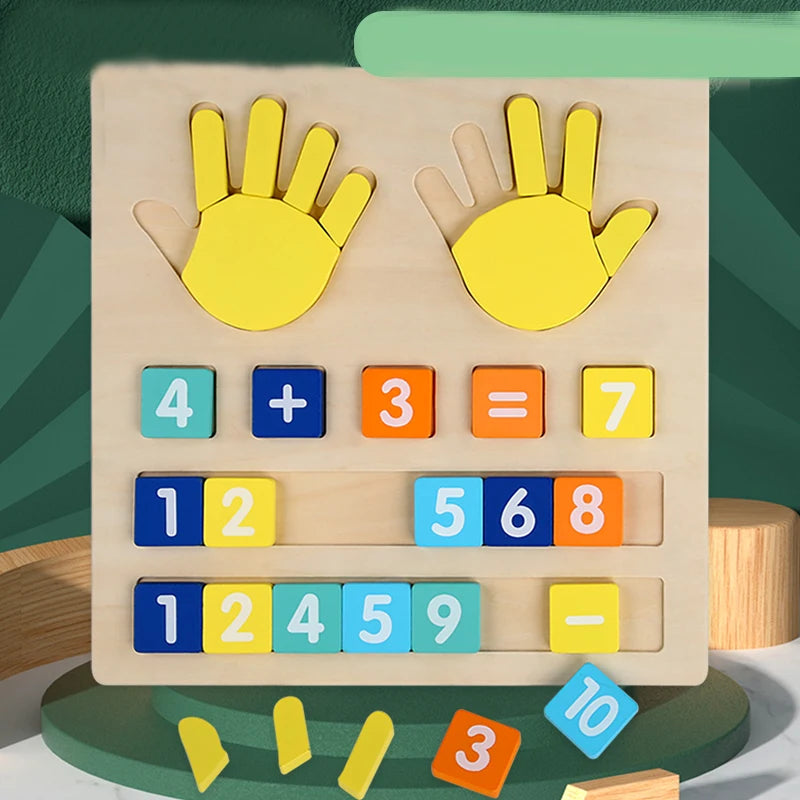
💡 See it in action - math hands on activities for preschoolers / how to teach kids counting skills, fun hands on math activities kids, best ways to teach preschool math, teaching toddlers math using tactile toys
Why Hands-On Math Activities Work Better for Preschoolers
Math hands on activities for preschoolers engage multiple senses at once. Instead of memorizing numbers, kids see, touch, and experience them.
- Improves memory retention through movement
- Builds real understanding of quantity
- Reduces frustration and confusion
- Makes learning feel like play, not pressure
When children physically interact with numbers, they connect meaning to symbols faster. That’s why teaching toddlers math using tactile toys is far more effective than worksheets alone.
Explore more tools in Sensory Toys to support this learning style.
How to Teach Kids Counting Skills Step by Step
Math hands on activities for preschoolers work best when introduced in simple, clear stages. Follow this progression to avoid confusion.
- Start with real objects – Use toys, snacks, or fingers
- Count out loud together – Build rhythm and familiarity
- Match numbers to quantities – Show what “3” actually means
- Repeat through play – Reinforce naturally without pressure
- Introduce number recognition – Connect symbols to objects
Consistency matters more than duration. Even 5 minutes a day can dramatically improve number recognition skills.
👉 Learn step-by-step how to choose the right baby gear
Make learning smoother with tools designed for small hands and growing minds.
Fun Hands On Math Activities Kids Love (That Actually Work)
1. Finger Counting Games
Using fingers is one of the best ways to teach preschool math because it’s always available.
- Ask: “Show me 4 fingers”
- Hide fingers and guess the number
- Count up and down together
For a more structured approach, try a wooden finger counting toy to reinforce visual and tactile learning.
2. Snack Counting
Turn snack time into a math lesson.
- Count crackers before eating
- Group snacks into sets
- Ask “How many are left?”
3. Toy Sorting and Grouping
Use blocks or stuffed animals.
- Sort by color or size
- Count each group
- Compare which is more or less
4. Number Hunt Around the House
Help kids recognize numbers in real life.
- Find numbers on clocks, books, doors
- Match objects to numbers found
- Make it a fun challenge
5. Build and Count
Stack blocks and count each piece added.
This reinforces both counting and sequencing skills naturally.
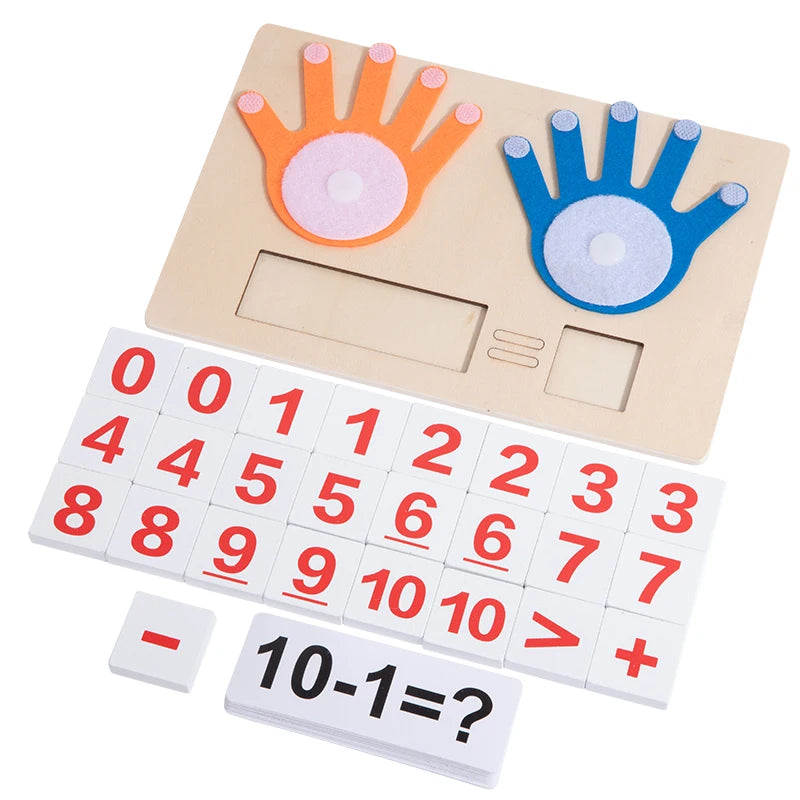
💡 See it in action - math hands on activities for preschoolers / how to teach kids counting skills, fun hands on math activities kids, best ways to teach preschool math, teaching toddlers math using tactile toys
Common Mistakes That Slow Down Number Learning
| ❌ Mistake | ✅ Better Approach |
|---|---|
| Focusing only on memorization | Use real objects for understanding |
| Too much worksheet practice | Incorporate play-based learning |
| Rushing through numbers | Master small sets first |
| Ignoring confusion signs | Reinforce with tactile activities |
Many parents unknowingly push too fast. Slowing down and using hands-on activities builds stronger foundations.
Best Tools That Make Teaching Preschool Math Easier
The right tools can transform frustration into excitement.
- Counting toys – Visual and tactile reinforcement
- Stacking blocks – Great for sequencing
- Sorting trays – Help categorize and count
- Interactive number boards – Build recognition skills
Explore more options in Baby Growth & Learning to support your child’s development.
Real parent feedback:
“After just one week of using hands-on tools, my 3-year-old finally understood what numbers mean—not just how to say them.”
Turn Everyday Moments Into Learning Opportunities
You don’t need extra time—just smarter use of daily routines.
- Count steps while walking
- Measure ingredients while cooking
- Sort laundry by quantity
- Count toys during cleanup
These moments feel natural and stress-free, making them some of the best ways to teach preschool math.
Which Activity Works Best? Quick Comparison
| Activity | Best For | Difficulty |
|---|---|---|
| Finger Counting | Beginners | Easy |
| Snack Counting | Daily practice | Easy |
| Sorting Toys | Understanding groups | Medium |
| Number Hunt | Recognition skills | Medium |
| Building Blocks | Sequencing | Medium |
Why This Simple Tool Makes Counting Easier
Math hands on activities for preschoolers become much more effective when children can physically interact with numbers. A tactile counting toy helps bridge the gap between seeing and understanding numbers, allowing kids to connect quantities with symbols through repeated, playful interaction.
- Encourages independent learning
- Builds confidence through repetition
- Reduces frustration and confusion
- Makes learning feel like play
Try the wooden finger counting toy to simplify early math learning.
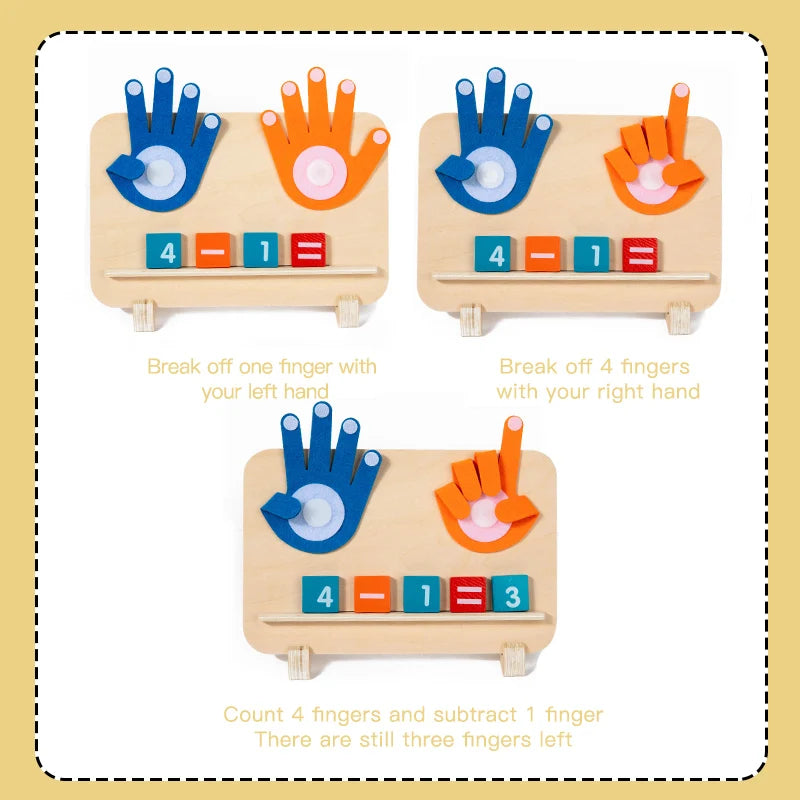
💡 See it in action - math hands on activities for preschoolers / how to teach kids counting skills, fun hands on math activities kids, best ways to teach preschool math, teaching toddlers math using tactile toys
👉 Get yours now — limited stock!
Make counting simple, fun, and frustration-free starting today.
FAQs
What age should kids start learning numbers?
Most children begin recognizing numbers between ages 2–4, especially with hands-on activities.
Why does my child mix up numbers?
This is common when learning is based on memorization instead of understanding. Hands-on activities help fix this quickly.
How long should I practice each day?
5–10 minutes of consistent play-based learning is more effective than long sessions.
Do I need special tools?
Not always, but tactile toys can significantly speed up learning and reduce confusion.
What’s the fastest way to improve number recognition?
Combine daily routines with fun hands-on math activities kids enjoy, using real objects and repetition.
Related Articles:
- Kindergarten number recognition activities: Daily practice guide
- Number recognition activities for preschool: How to teach fast
- Wooden number blocks: How to use for early math learning
- Preschool number recognition activities: Easy home teaching guide
Pillar Articles:





